
Overview A fixed flexion deformity (FFD) is a condition in which a joint, most commonly the knee, elbow, hip, or finger, cannot be fully straightened due to stiffness, shortening of …
Conditions & Symptoms


Overview Pes anserine bursitis is an inflammation of the pes anserine bursa, a small fluid-filled sac located on the inner side of the knee, just below the joint line. The …
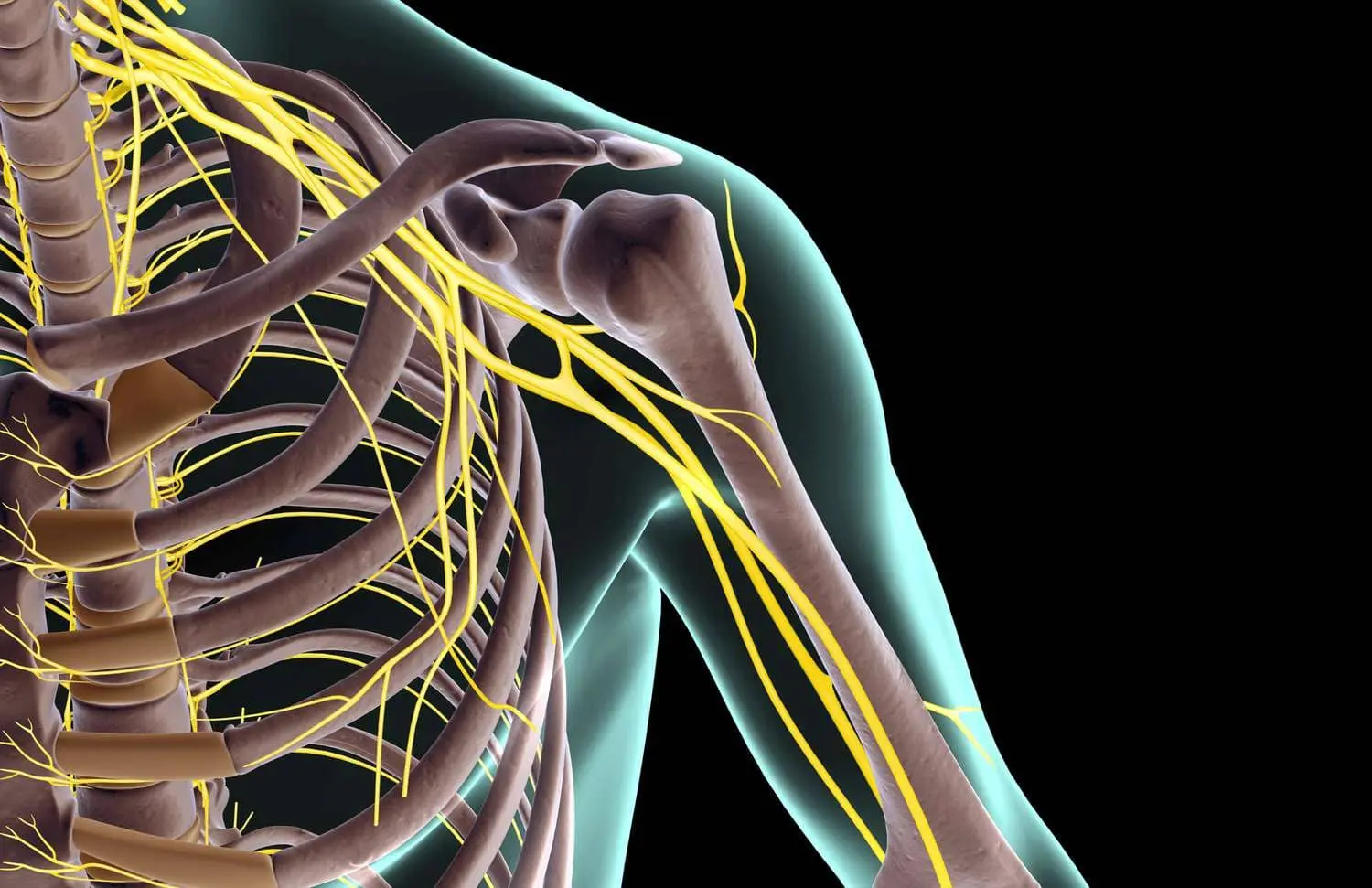
Overview The sacral plexus is a complex network of nerves located deep in the pelvis, formed by the lumbosacral trunk (L4–L5) and the sacral spinal nerves (S1–S4). This plexus provides …
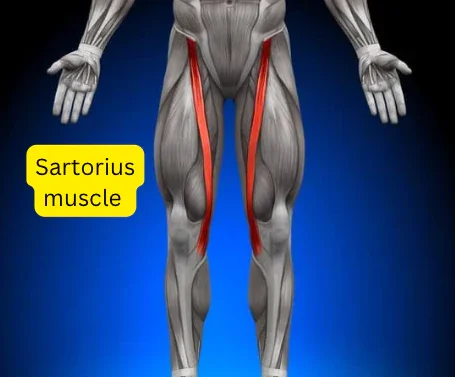
Overview The Sartorius muscle is the longest muscle in the human body, stretching diagonally across the front of the thigh from the anterior superior iliac spine (hip bone) to the …
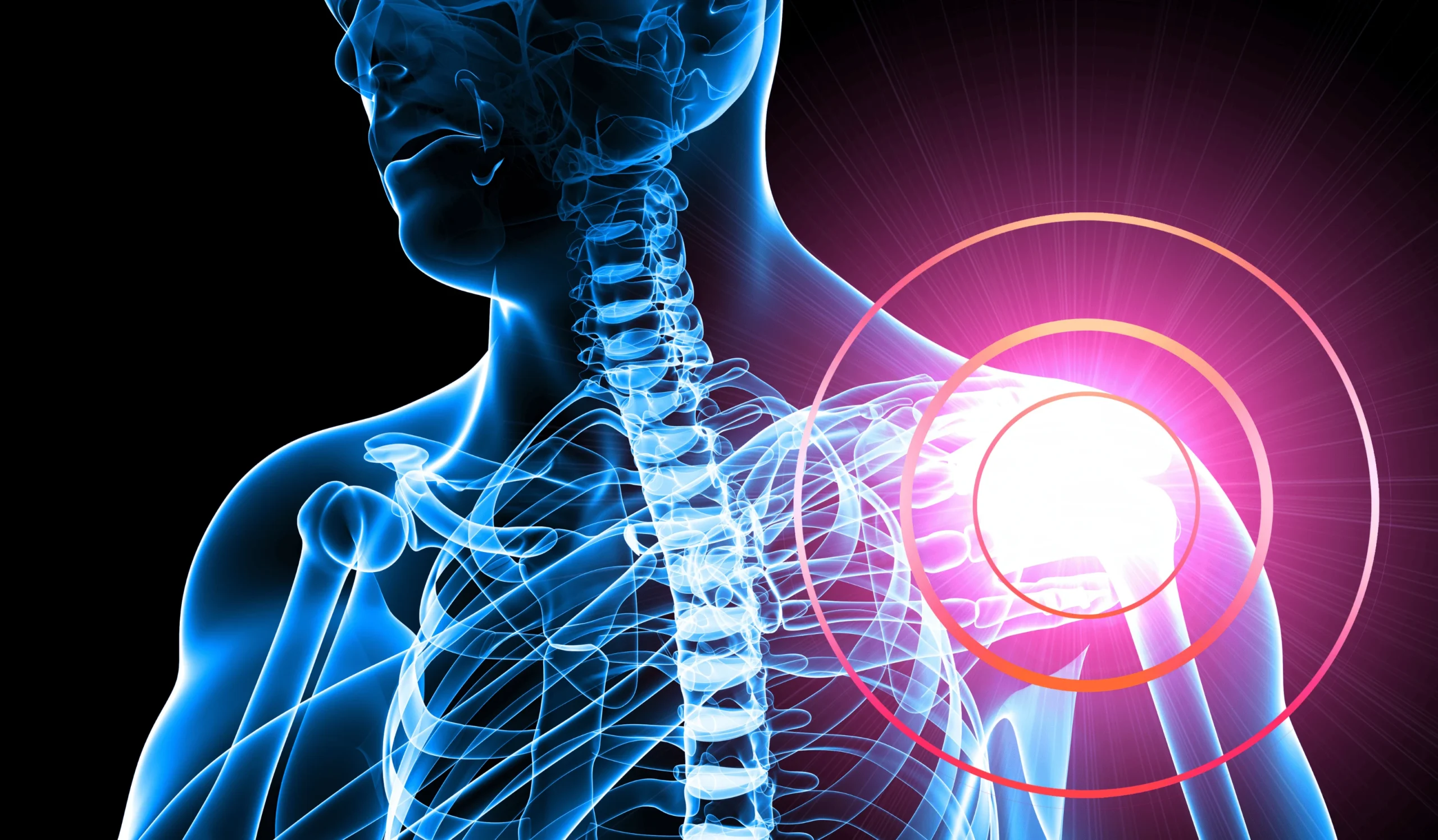
Overview The shoulder joint is one of the most remarkable joints in the human body. Unlike many other joints, it is designed to allow a vast range of motion including …
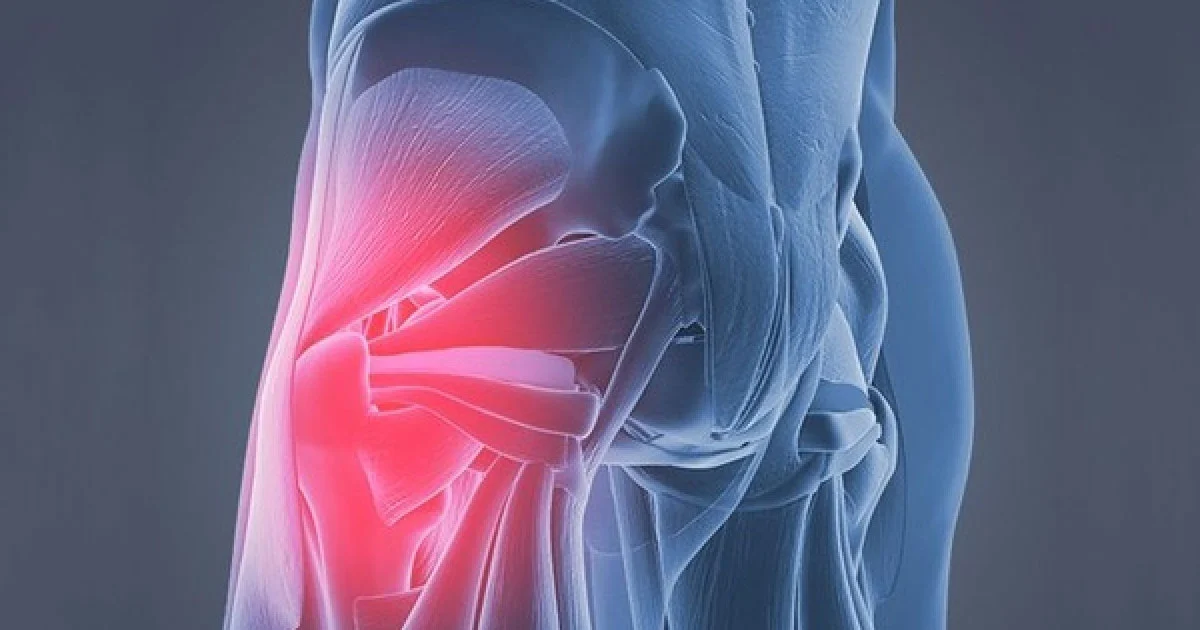
Overview Gluteus medius tendinitis is a condition characterized by irritation or inflammation of the tendon of the gluteus medius muscle, which is situated on the outer aspect of the hip. …
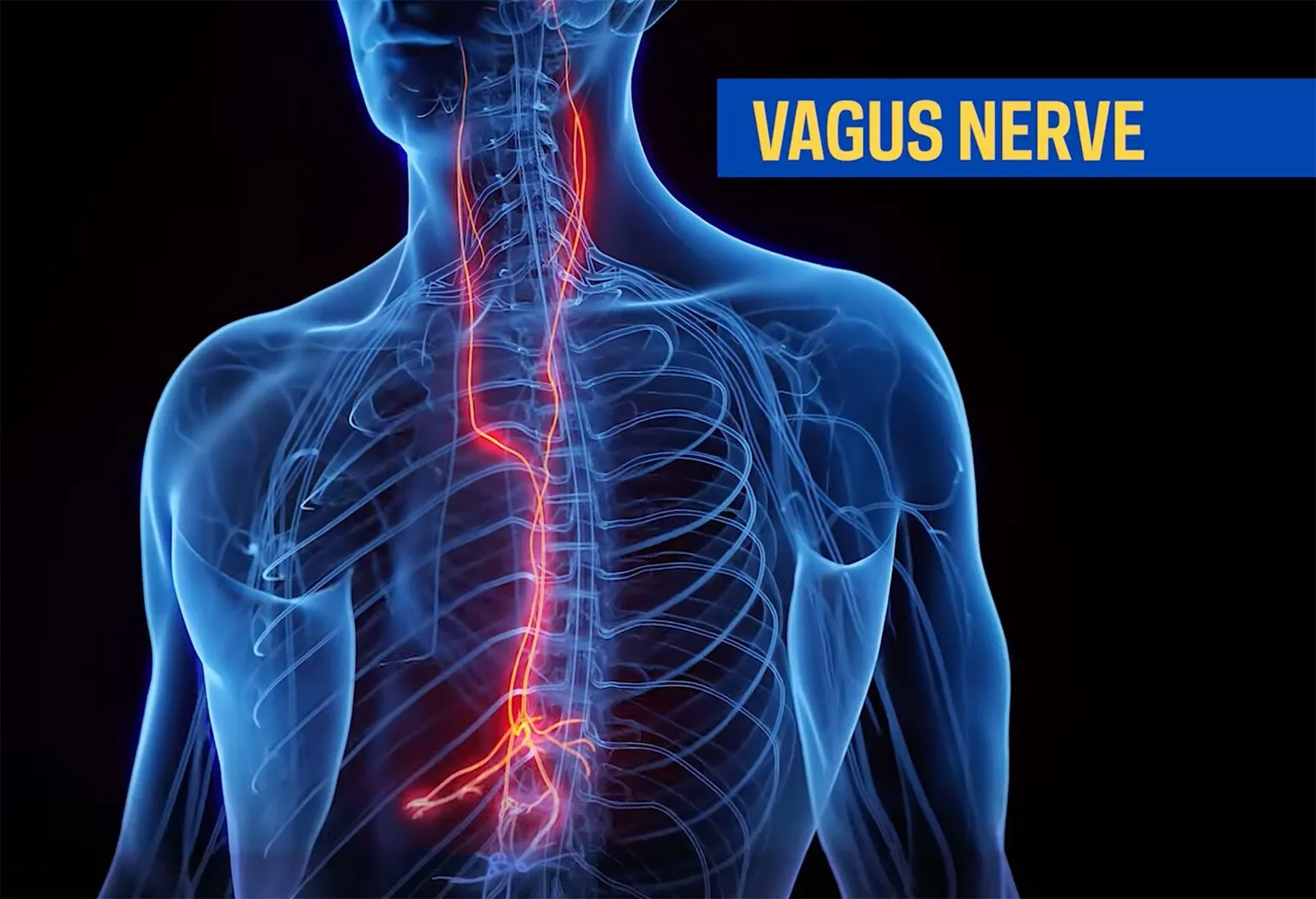
Overview The vagus nerve, also referred to as the tenth cranial nerve, is one of the most vital nerves in the human body. It is a major component of the …

Overview The trapezius muscle is a broad, triangular-shaped muscle that stretches from the base of the skull, runs across the shoulders, and extends down into the middle portion of the …
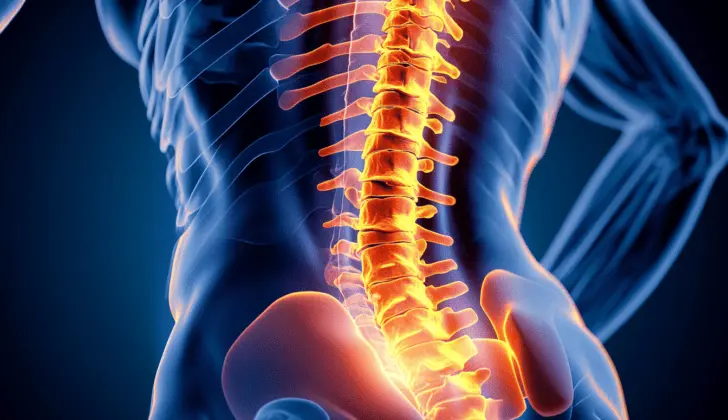
Overview The lumbar plexus is an intricate and essential network of nerves that arises from the anterior rami of the first four lumbar spinal nerves (L1–L4), with occasional contributions from …