
Overview
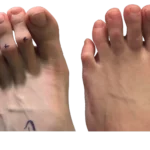
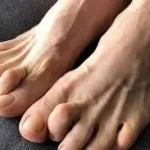
Hammer toe is a relatively common foot deformity that affects one or more of the lesser toes, most often the second, third, or fourth. In this condition, the toe bends in an abnormal downward position at one or both joints, giving it a hammer-like appearance. The deformity develops gradually due to an imbalance between the muscles, tendons, and ligaments that normally work together to keep the toe straight and properly aligned. When this balance is disrupted, excessive pulling forces from certain muscles cause the middle joint, known as the proximal interphalangeal (PIP) joint, to flex downward while the other joints may compensate by extending or stiffening.
Over time, this misalignment leads to increased pressure on the toe during walking or while wearing shoes. As the deformity progresses, the toe may rub against the inside of the footwear, resulting in pain, redness, corns, calluses, and sometimes swelling over the affected area. In the early stages, hammer toe is typically flexible, meaning that it can still be straightened manually, and symptoms can often be relieved through conservative management such as footwear modification and targeted physiotherapy. However, if the condition is ignored or improperly managed, the soft tissues adapt to the bent position, leading to a rigid hammer toe that is difficult or impossible to move without medical intervention.
People with hammer toe often report difficulty wearing closed shoes, discomfort while walking, and changes in gait mechanics due to altered weight distribution on the forefoot. These biomechanical changes, if uncorrected, may even contribute to secondary issues such as metatarsalgia or arch strain.
At DMPhysios, a renowned physiotherapy clinic in Noida specializing in spine and sports conditions, our team understands the complexity of conditions like hammer toe. We adopt a patient-centered rehabilitation approach that focuses on restoring normal joint mobility, rebalancing muscular function, and relieving pain through evidence-based physiotherapy techniques. Whether the deformity is flexible or has become rigid, the experts at DMPhysios develop personalized treatment plans aimed at improving foot alignment, preventing recurrence, and enhancing the patient’s overall quality of life.
Symptoms
The symptoms of hammer toe can range from mild discomfort to severe pain, depending on the stage and rigidity of the deformity. Common signs include:
- Abnormal bending of the toe: The affected toe (often the second toe) bends downward at the middle joint.
- Pain and irritation: Especially when wearing tight or ill-fitting shoes that press against the bent toe.
- Corns and calluses: Develop on the top or tip of the affected toe due to constant friction and pressure.
- Swelling or redness: Inflammation may appear around the joint due to irritation.
- Restricted movement: In advanced stages, the toe becomes rigid and cannot be straightened manually.
- Difficulty walking: Altered toe alignment changes gait mechanics, sometimes leading to forefoot or arch pain.
At DMPhysios, we often see patients who initially ignored mild bending, only to find that their hammer toe had become progressively stiffer and more painful. Early diagnosis and physiotherapy intervention are crucial to preventing worsening of the deformity.
Types of Hammer Toe
Hammer toe can be classified based on its flexibility and the joints involved:
1. Flexible Hammer Toe
- The toe can still move and be straightened manually.
- This is the early stage and is highly responsive to conservative treatment and physiotherapy.
- Muscle imbalance is usually the primary cause.
2. Rigid Hammer Toe
- The joint becomes fixed and immobile due to chronic tightening of tendons and joint capsule.
- Often leads to severe pain and may require surgical intervention.
- Conservative management focuses on pain relief and maintaining function.
3. Based on the Joint Involved
- Hammer Toe: Flexion at the proximal interphalangeal (PIP) joint.
- Claw Toe: Flexion at both PIP and distal interphalangeal (DIP) joints with hyperextension at the metatarsophalangeal (MTP) joint.
- Mallet Toe: Flexion deformity limited to the DIP joint.
Understanding these types helps the specialists at DMPhysios tailor treatment to the patient’s specific condition and stage of deformity.
Causes
Hammer toe typically develops due to muscle and tendon imbalance that alters the normal alignment of the toe joints. Over time, this imbalance causes the tendons to pull the toe into a bent position. Several underlying causes contribute to this condition:
- Improper Footwear:
Tight, narrow, or high-heeled shoes crowd the toes, forcing them into a bent position and shortening the toe muscles over time. - Muscle Imbalance:
Weakness in the intrinsic foot muscles or overactivity in flexor muscles can pull the toe joints into abnormal positions. - Injury or Trauma:
Direct trauma or stubbing the toe can damage tendons or ligaments, leading to deformity. - Genetic Factors:
A family history of foot deformities, flat feet, or high arches increases susceptibility. - Arthritis:
Joint inflammation or rheumatoid arthritis may deform toe joints, leading to hammer toe. - Neuromuscular Disorders:
Conditions like diabetes, peripheral neuropathy, or stroke that weaken foot muscles can predispose individuals to hammer toe. - Other Deformities:
Bunions or overlapping toes can alter biomechanics and create compensatory deformities such as hammer toe.
Risk Factors
Certain factors increase the likelihood of developing hammer toe, including:
- Wearing high heels or tight-fitting shoes regularly.
- Having a second toe longer than the big toe.
- Suffering from arthritis or diabetes.
- Ageing, as muscle elasticity and balance decline with time.
- A family history of foot deformities.
- Sports or activities that stress the toes (like ballet, running, or football).
At DMPhysios, we often find that patients who wear fashion shoes for long durations or athletes who experience repetitive forefoot pressure are more prone to hammer toe. Preventive advice and ergonomic footwear counseling are integral parts of our treatment strategy.
Treatment
The treatment approach depends on whether the hammer toe is flexible or rigid. Early-stage, flexible deformities are usually managed with conservative interventions, while advanced cases may require surgical correction.
Conservative / Non-surgical Treatment
- Footwear modification: Wearing shoes with a wide toe box and low heels reduces pressure on the affected toe.
- Orthotic devices: Custom insoles or toe spacers help align the toes and reduce discomfort.
- Padding and taping: Protects corns and calluses from friction.
- Stretching and strengthening exercises: Target intrinsic foot muscles and toe extensors to restore balance.
- Anti-inflammatory measures: Ice application and non-steroidal anti-inflammatory drugs (NSAIDs) can help reduce pain.
Surgical Treatment
In severe or rigid hammer toe, surgery may be considered to realign or fuse the affected joint. Post-surgical physiotherapy plays a vital role in restoring mobility and strength.
Physiotherapy Treatment
Physiotherapy is a cornerstone of non-surgical management for hammer toe, especially at DMPhysios, where the goal is patient-centered rehabilitation that addresses pain, flexibility, strength, and overall foot mechanics. A structured physiotherapy plan can often correct flexible deformities and prevent progression to rigid stages.
1. Pain Relief Techniques
- Cryotherapy: Ice packs to reduce inflammation and pain.
- Accelerated Healing Therapy: Improves circulation and reduces stiffness around the affected joints.
- TENS (Transcutaneous Electrical Nerve Stimulation): Used to manage pain by modulating nerve signals.
2. Manual Therapy
- Joint Mobilization: Gentle mobilization of the PIP and MTP joints to improve flexibility.
- Soft Tissue Release: Reduces tightness in flexor tendons and surrounding muscles.
- Myofascial Release: Restores proper length-tension balance across the foot arch and toe muscles.
3. Stretching Exercises
These exercises aim to lengthen tight tendons and improve range of motion:
- Toe Stretch: Gently straighten the bent toe with fingers and hold for 20–30 seconds.
- Towel Stretch: Place a towel around the toe and gently pull toward the body.
- Calf Stretch: Keeps posterior chain muscles flexible to balance toe mechanics.
4. Strengthening Exercises
Strengthening intrinsic foot muscles is vital for correcting muscle imbalance:
- Towel Scrunches: Place a towel flat and use your toes to scrunch it toward you.
- Marble Pickup: Pick up small objects using your toes to activate flexors and extensors.
- Toe Splaying: Spread toes apart and hold for 5 seconds to improve intrinsic control.
- Resisted Toe Extension: Use an elastic band around the toe and lift it upward against resistance.
5. Gait Training
Physiotherapists at DMPhysios analyze gait to identify compensatory patterns caused by hammer toe. Corrective training focuses on proper toe-off, even weight distribution, and reducing forefoot pressure.
6. Orthotic and Footwear Advice
- Use shoes with wide toe boxes, soft insoles, and low heels.
- Toe spacers or custom orthotics prescribed at DMPhysios help maintain proper alignment and prevent recurrence.
7. Postural and Kinetic Chain Correction
Since hammer toe may result from biomechanical dysfunctions in the lower limb, physiotherapists assess hip, knee, and ankle alignment. Correcting these kinetic chain issues ensures long-term results.
At DMPhysios, our rehabilitation programs integrate manual therapy, strengthening, gait correction, and patient education, ensuring holistic recovery and long-lasting comfort.
Prevention
Preventing hammer toe is easier than treating an advanced deformity. Here are some practical tips to maintain healthy toe alignment:
- Wear Proper Footwear:
Choose shoes with enough toe room, soft soles, and low heels. - Perform Toe Exercises Regularly:
Simple exercises like toe curls, splaying, and stretching help maintain muscle balance. - Avoid Prolonged High Heel Use:
High heels shift weight forward, causing toe compression. - Use Protective Padding:
Prevents friction-related corns or calluses. - Monitor Foot Health:
Especially for people with diabetes or neuropathy, as nerve dysfunction may mask early deformities. - Maintain a Healthy Weight:
Reduces forefoot pressure during walking and standing. - Regular Physiotherapy Check-ups:
At DMPhysios, periodic assessments help identify early signs of hammer toe and correct mechanical imbalances before deformity progresses.
Conclusion
Hammer toe may seem like a minor issue initially, but if ignored, it can significantly impair walking comfort and daily function. Early recognition and proper treatment, especially physiotherapy, can reverse flexible deformities and prevent surgical intervention.
At DMPhysios, a premier physiotherapy clinic in Noida specializing in spine and sports conditions, we believe in patient-centered rehabilitation. Our expert physiotherapists offer individualized plans focusing on restoring toe alignment, strengthening intrinsic muscles, improving gait, and enhancing overall foot health.If you’re struggling with pain, toe deformity, or difficulty wearing shoes due to hammer toe, don’t wait for it to worsen.
Book your consultation at DMPhysios today and take your first step toward pain-free movement and healthier feet.