
Overview
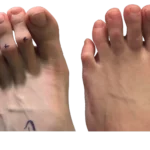
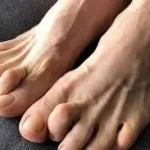
Claw toe is a progressive deformity of the toes characterized by an abnormal bending that gives them a curled or claw-like shape. In this condition, the toe joints move out of their natural alignment, the metatarsophalangeal (MTP) joint bends upward while both the proximal (PIP) and distal (DIP) interphalangeal joints bend downward. This imbalance creates a hooked appearance, making the toes curl under the foot. The deformity most commonly affects the smaller toes, typically the second to fifth, and can lead to significant discomfort, instability, and difficulty during walking or standing for long periods.
Over time, claw toe can interfere with daily activities by altering weight distribution across the foot. The abnormal posture of the toes often results in excessive friction within footwear, leading to painful corns, calluses, or even ulcers on the top or tip of the toes. In the early stages, the deformity may be flexible, but without timely intervention, it can become rigid and permanently fixed. This progression highlights the importance of early diagnosis and conservative management to prevent complications and maintain foot mobility.
At DMPhysios, a physiotherapy clinic in Noida known for its expertise in spine and sports conditions, claw toe is addressed as part of a holistic lower limb rehabilitation program. The clinic’s approach goes beyond symptom management, it focuses on identifying and treating the root causes such as muscle imbalance, nerve dysfunction, or biomechanical abnormalities. Using a patient-centered rehabilitation model, the skilled physiotherapists at DMPhysios thoroughly assess each case of claw toe, analyzing gait, strength, and joint alignment. Based on this comprehensive evaluation, they design customized rehabilitation plans aimed at restoring normal toe mechanics, improving flexibility, and enhancing overall foot function.
Through a blend of manual therapy, strengthening exercises, stretching routines, and gait retraining, DMPhysios helps patients regain pain-free mobility and prevent further deformity progression. Whether the deformity arises from footwear habits, neurological issues, or post-injury complications, the clinic’s dedicated care ensures that each patient receives targeted, evidence-based treatment tailored to their needs.
Symptoms
The symptoms of claw toe may develop gradually, often beginning with minor discomfort and progressing to visible deformity and restricted movement. Common signs and symptoms include:
- Curled or bent appearance of the affected toe(s), often resembling a claw.
- Pain or pressure on the top of the bent joints due to friction against footwear.
- Corns or calluses forming on the tops or tips of the toes.
- Difficulty wearing shoes comfortably, especially closed footwear.
- Redness, swelling, or irritation over the bent joints.
- Decreased flexibility or stiffness in the affected toes.
- Secondary issues such as foot fatigue, imbalance, or altered gait patterns.
If left untreated, claw toe can become rigid, making it difficult or impossible to straighten the toes without medical or surgical intervention.
Types of Claw Toe
There are generally two main types of claw toe deformities, flexible and rigid, depending on the mobility of the affected joints:
- Flexible Claw Toe:
- The deformity is still correctable manually.
- The joints are not yet stiff, and early intervention (especially physiotherapy) can help realign and strengthen the affected muscles.
- Rigid Claw Toe:
- The joints become stiff, and the deformity cannot be corrected manually.
- This stage is often painful and may require surgical intervention to restore function.
At DMPhysios, the focus is always on identifying claw toe in its early, flexible stages to prevent progression and restore normal toe mechanics through targeted rehabilitation.
Causes
There are several underlying factors that may contribute to the development of claw toe, ranging from muscle imbalance to neurological or systemic conditions. Common causes include:
- Muscle Imbalance:
The most frequent cause, often resulting from an imbalance between the muscles that flex and extend the toes. Weak intrinsic foot muscles and overactive long toe flexors can pull the toe into a clawed position. - Neurological Disorders:
Conditions such as diabetes, stroke, cerebral palsy, or Charcot-Marie-Tooth disease can damage the nerves that control foot muscles, leading to claw toe deformities. - Footwear Issues:
Shoes that are too tight, narrow, or high-heeled force the toes into a bent position, promoting deformity over time. - Trauma or Injury:
Past injuries to the foot or toe can disrupt muscle and joint alignment, increasing the risk of claw toe. - Inflammatory Conditions:
Disorders like rheumatoid arthritis or osteoarthritis can cause joint inflammation, leading to structural deformities like claw toe. - Heredity and Structural Factors:
Some individuals inherit a foot shape or biomechanics that predispose them to claw toe, especially if they have a high arch (pes cavus).
Risk Factors
Certain risk factors increase the likelihood of developing claw toe, including:
- Wearing tight or high-heeled shoes regularly.
- Diabetes mellitus, due to peripheral neuropathy.
- Nerve or muscle disorders, particularly those affecting lower limb coordination.
- Age, as muscle strength and joint flexibility decrease over time.
- Arthritis, which affects joint stability.
- Foot deformities, such as high arches or hammertoes.
- Sedentary lifestyle, leading to weakened intrinsic foot muscles.
At DMPhysios, patients with diabetes or neurological conditions are often screened for early signs of claw toe as part of preventive physiotherapy care.
Treatment of Claw Toe
The treatment of claw toe depends on its severity, flexibility, and the underlying cause. Early management often focuses on non-surgical methods, while advanced cases may require surgical correction.
Non-Surgical Treatment Options:
- Footwear Modifications:
Wearing properly fitted shoes with a wide toe box and soft upper material reduces pressure and friction. Avoiding high heels can also relieve stress on the toes. - Toe Splints or Padding:
Custom splints, toe caps, or cushioning pads help protect against corns and reduce irritation from shoe contact. - Orthotic Devices:
Custom orthotics can correct abnormal foot biomechanics and redistribute weight evenly to reduce strain on the affected toes. - Medication:
Non-steroidal anti-inflammatory drugs (NSAIDs) may be prescribed to relieve pain and inflammation associated with claw toe.
Surgical Treatment:
If conservative treatments fail and the claw toe becomes rigid, surgical intervention might be considered. Surgical options may involve tendon release, joint fusion, or bone realignment to restore normal alignment and function.
Physiotherapy Treatment
Physiotherapy plays a vital role in managing and correcting claw toe, especially in its early or flexible stages. At DMPhysios, physiotherapists follow a comprehensive, evidence-based approach tailored to the patient’s specific presentation and functional needs.
Here’s how physiotherapy helps in claw toe management:
1. Assessment and Diagnosis
The physiotherapists at DMPhysios perform a detailed biomechanical and gait analysis to identify contributing factors such as muscle imbalances, joint stiffness, or nerve dysfunction. This helps in designing a precise rehabilitation plan.
2. Stretching Exercises
Stretching helps reduce tightness in the tendons and muscles that contribute to the claw-like posture.
- Toe Extensor Stretch: Gently stretch the top of the toes to improve mobility.
- Calf and Plantar Fascia Stretch: These reduce tension in the posterior chain that can affect toe mechanics.
3. Strengthening Exercises
Strengthening the intrinsic muscles of the foot is crucial for rebalancing forces around the toes.
- Towel Scrunches: Placing a towel on the floor and pulling it toward you using your toes helps activate intrinsic muscles.
- Marble Pickup: Picking up small objects with toes improves coordination and strength.
- Toe Spreading Exercises: Encourages individual toe movement control.
At DMPhysios, patients are guided through progressive strengthening routines to restore balance between flexor and extensor muscles.
4. Manual Therapy
Physiotherapists use joint mobilization and soft tissue techniques to restore joint flexibility, release tension, and improve blood flow around the affected areas.
5. Neuromuscular Re-Education
For patients with nerve-related claw toe, therapists use neuromuscular re-education techniques to improve motor control and proprioception, helping retrain normal movement patterns.
6. Gait Training
Since claw toe affects walking mechanics, gait retraining is essential. Therapists at DMPhysios use visual feedback and cueing to correct compensations during walking.
7. Kinesiology Taping and Footwear Advice
Taping supports the toe in a neutral position and reduces pain during activities. Therapists also advise on shoe selection to prevent further deformity.
8. Custom Orthotic and Exercise Integration
DMPhysios offers custom orthotics combined with targeted home exercise programs to ensure long-term correction and comfort. Regular follow-ups monitor progress and adjust exercises as needed.
Prevention
Preventing claw toe largely involves maintaining healthy foot mechanics and habits. Key preventive measures include:
- Wearing Proper Footwear:
Choose shoes that allow ample space for the toes to move freely. Avoid narrow or pointed shoes. - Regular Stretching:
Daily stretching of toes and calves maintains flexibility and prevents stiffness. - Strengthening Foot Muscles:
Exercises like toe curls and marble pickups keep intrinsic foot muscles active and balanced. - Managing Underlying Conditions:
Proper management of diabetes, arthritis, or neurological issues reduces risk factors for claw toe. - Periodic Foot Checkups:
Regular physiotherapy evaluations at DMPhysios can help detect early signs of deformities and implement preventive exercises before symptoms worsen.
Conclusion
Claw toe may seem like a minor deformity at first, but if left untreated, it can lead to significant discomfort, impaired balance, and long-term walking difficulties. Early diagnosis and timely physiotherapy intervention can make all the difference in restoring natural foot function.
At DMPhysios, Noida’s trusted clinic for spine and sports conditions, physiotherapists follow a patient-centered rehabilitation approach to treat claw toe through customized exercise therapy, manual correction techniques, and functional training. Whether you are dealing with an early-stage flexible claw toe or a more chronic deformity, the team at DMPhysios provides comprehensive care aimed at restoring mobility and preventing recurrence.
Don’t ignore your foot discomfort, early intervention is key. Visit DMPhysios in Noida today for expert assessment and personalized rehabilitation for claw toe. Let your feet regain their strength, flexibility, and balance, step by step.