

Strengthening Your Body Against Pollution :
The Supportive Role of Physiotherapy
Article Overview
I
In recent years, particularly across the national capital region (Delhi-NCR), the quality of the air we breathe has become a serious health concern. At DMPhysios, we increasingly see patients who are not only dealing with musculoskeletal issues and sports injuries, but also reporting symptoms that are exacerbated by poor air quality: fatigue, reduced exercise tolerance, tightness in the chest and upper body, slower recovery from workouts, and more.
While physiotherapy obviously cannot reverse ambient pollution or eliminate the airborne toxins, it can help you reinforce your body’s resilience, support your respiratory system and musculoskeletal health, and optimize how your body copes with this environmental stressor. This article looks at the facts, examines how pollution impacts the body, and outlines how physiotherapy at DMPhysios can play a supportive role in helping you live and move better despite challenging air conditions.
Pollution in Delhi-NCR: The facts
To understand why this topic matters, it’s worth looking at current data.
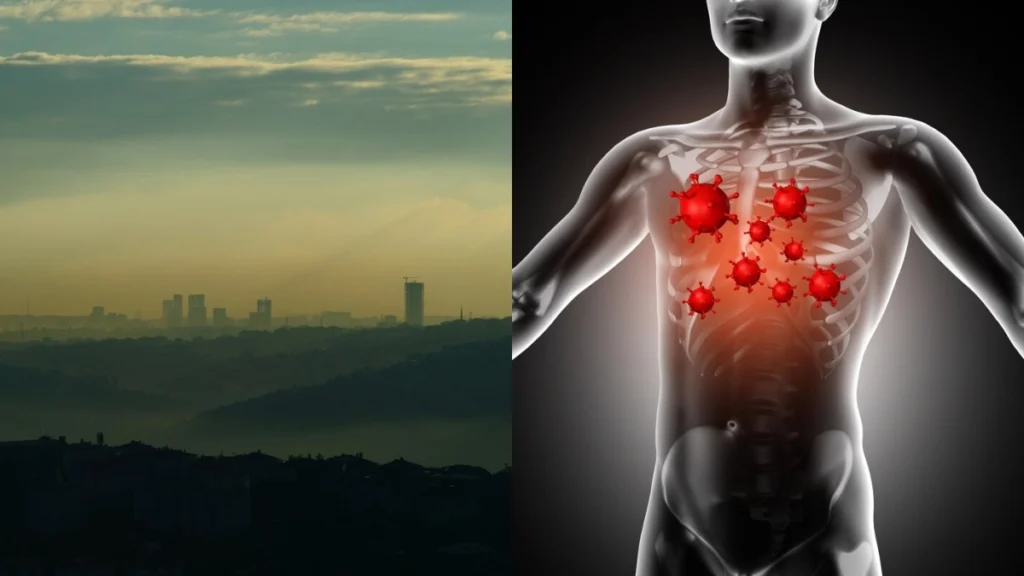
- As of two days ago, the 24-hour average Air Quality Index (AQI) in the Delhi‑NCR region rose to 366, putting it firmly into the “very poor / severe” category.
- This level of AQI indicates that the air contains large concentrations of fine particulate matter (PM2.5/PM10) and other pollutants, creating a significant burden on the respiratory and cardiovascular systems.
- Such high values mean that on many days, the air quality is not just “uncomfortable” but has the potential to reduce exercise capacity, increase inflammation, slow recovery and impair overall movement and physical performance.
It is important to emphasise: even though many individuals might wish they could simply leave the city or escape the smog, for most residents of Delhi-NCR this is not a realistic option. The air you breathe daily influences your body’s function and that is where a supportive strategy becomes relevant.
How pollution affects your body: Beyond just coughing
When we talk about air pollution, we often think of respiratory issues. But the impact is broader, and that’s where physiotherapy becomes relevant.
1. Respiratory load and oxygenation
Fine particulate matter (PM2.5) can penetrate deep into the lungs, reducing gas exchange efficiency. This can lead to a subtle reduction in oxygen delivery to tissues, increased work of breathing, and greater fatigue during physical activity. Over time, this means less endurance, slower recovery and a heavier burden on the cardiovascular system.
2. Musculoskeletal and postural stress
When air quality is poor, many people reduce outdoor activity, stay indoors more, or adopt more sedentary postures. Indoor air may also be dry or contain pollutants. The result: chest-tightness from shallow breathing, reduced rib and thoracic mobility, increased stiffness in the neck-shoulder region, and postural changes such as forward-rounded shoulders or a hunched upper back. Physiotherapists at DMPhysios frequently encounter patients whose movement-patterns have subtly degraded because of these cumulative effects.
3. Recovery, inflammation & fatigue
Pollution has been shown to trigger systemic inflammation. This means tissues take longer to recover, muscles may feel heavier, and energy levels dip. For someone engaged in regular training, sports or even daily movement, this means a higher baseline load, and physiotherapy interventions that once worked optimally may need adapted support.
4. Secondary effects: stress, sleep, inactivity
Poor air quality often means people avoid outdoor movement, keep windows closed, and may experience heavier headaches or poorer sleep (due to indoor air quality, or due to pollution-related discomfort). Over time, reduced physical activity contributes to weaker musculature, poorer cardiovascular health, and worse posture. DMPhysios emphasises a holistic approach: the environment worsens the burden, and we aim to reduce the body’s susceptibility.
Why physiotherapy can help: Strengthening your body’s response
While it is critical to acknowledge that physiotherapy alone does not fix ambient pollution, the focus at DMPhysios is on maximising your body’s resilience and reducing the downstream effects, essentially strengthening your internal environment in the face of an adverse external environment. Here are the key domains.
1. Respiratory physiotherapy & breath-work
At DMPhysios, we integrate breathing exercises that support lung capacity, rib mobility and diaphragm function. Examples include:
- Diaphragmatic (belly) breathing to improve baseline ventilation.
- Pursed-lip breathing to promote better CO₂ clearance and slow down the breathing rate under load.
- Thoracic expansion and chest wall mobility drills – improving rib-cage movement means less stiffness from shallow breathing when the air is poor.
These techniques help the respiratory apparatus function more efficiently, so even when challenged by air pollutants, the body is better positioned to maintain oxygen delivery and clear mechanisms.
2. Posture, thoracic mobility & upper-body strength
Because poor air quality often triggers indoor, sedentary behaviour, DMPhysios places emphasis on counteracting the negative musculoskeletal changes:
- Thoracic spine extensions, rib cage mobility exercises, scapular retraction and shoulder-blade stability drills.
- Strengthening upper-back musculature (e.g., mid-trapezius, rhomboids) and stretching tight anterior chains (pectoral, anterior shoulder).
- Encouraging upright posture and facilitating effective breathing mechanics (i.e., ensuring the chest wall and ribs can move well).
These interventions help maintain a musculoskeletal system that supports optimal lung mechanics, which in polluted air is a supportive advantage.
3. Cardiovascular & muscular endurance training
At DMPhysios we encourage regular movement, even within the constraints of poor air quality, because a fitter cardiovascular and muscular system handles environmental stress better:
- Low to moderate intensity aerobic exercise (e.g., indoor cycling, treadmill, ellipticals) adjusted based on air-quality days.
- Functional strength training for major muscle groups (legs, core, back) to maintain overall robust movement patterns.
- Progressive resistance works to build muscle mass and strength, which improves metabolic health and reduces fatigue.
By enhancing overall fitness, your body has a higher baseline of resilience and can better tolerate the additional burden posed by pollution.
4. Recovery, flexibility & stress management
Finally, physiotherapy at DMPhysios emphasises recovery and flexibility:
- Stretching, mobility work, yoga-inspired poses for chest, thorax and shoulders.
- Myofascial release, trigger point work, soft-tissue mobilisations to relieve tightness from decreased movement.
- Guided relaxation and breathing-based stress-management: poor air quality can increase physiological stress, and improving stress resilience is a key supportive factor.
Together, these approaches help your body recover quicker, maintain mobility and avoid the domino-effect of inactivity + pollution + deconditioning.
Practical strategies for lifestyle + physiotherapy synergy
Here’s how you can ground the above into everyday action, and how we at DMPhysios integrate these in a patient programme.
Daily habits
- Monitor air quality each day using apps or websites: e.g., if AQI enters “very unhealthy”/“severe”, adjust outdoor activity accordingly. (As discussed, Delhi’s AQI has been in the 200-300+ range on many recent days).
- If outdoor activity is restricted, ensure indoor movement: set aside 20-30 minutes for mobility or strength sessions. DMPhysios advises clients to keep indoor air as clean as possible (use air-purifiers or keep a window slightly open with a fan to improve circulation).
- Prioritise breathing exercises: morning routine of diaphragmatic breathing (5-10 minutes) and chest-expansion drills.
- Focus on posture: remind yourself every hour to sit/stand tall, retract shoulders, open chest. DMPhysios recommends simple posture checks for office workers and those at home.
- Stay active: even if outdoor runs/walks are limited, incorporate resistance bands, body-weight exercises or home-gym work. At DMPhysios we provide tailored programmes for this scenario.
- Recovery and sleep: Use the evening for stretching, mobility work, winding down early. Poor air quality can impact sleep; good sleep helps your body cope better.
Integrating physiotherapy sessions
At DMPhysios we offer structured programmes to clients living or working in high-pollution regions:
- Assessment of respiratory function + thoracic mobility + posture.
- Customised plan combining breathing drills, mobility and strength work, posture correction and functional cardio.
- Periodic review: as air-quality changes, the plan is adjusted (e.g., on high-pollution days focus more on indoor mobility and recovery).
- Guidance on how to self-monitor tolerance, fatigue, breathlessness — so you can recognise when pollution may be reducing your capacity and adapt accordingly.
Special considerations
- If you suffer from asthma, chronic bronchitis, COPD or cardiovascular issues: you should coordinate physiotherapy with your physician. Polluted air raises risk and the physiotherapy plan must be safer/graded.
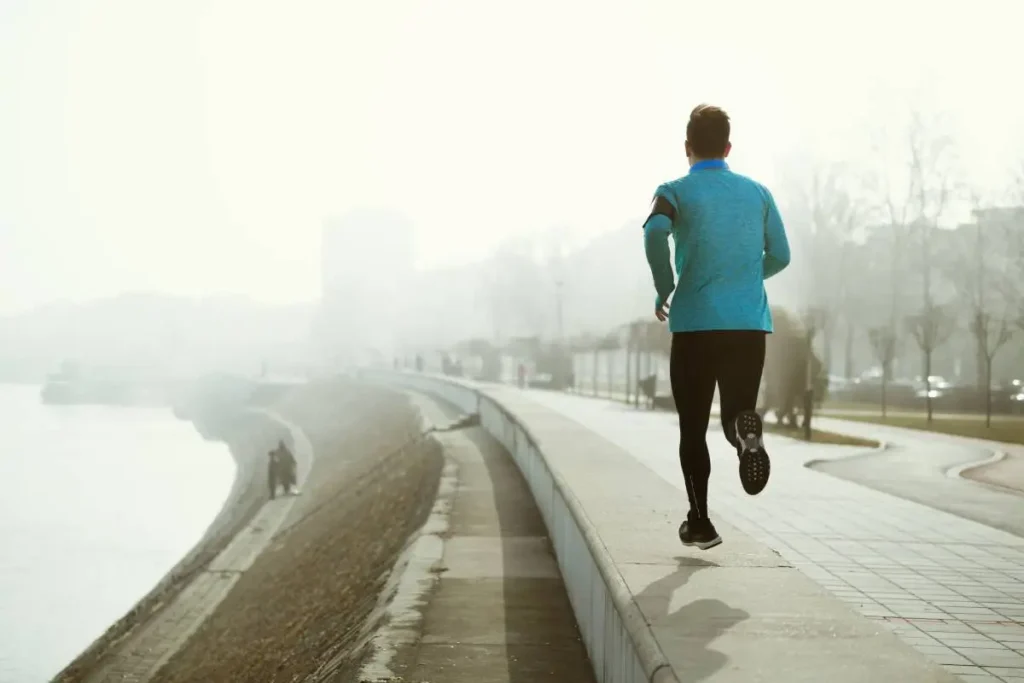
- On days with very poor air quality (AQI > 300), outdoor vigorous exercise is discouraged; indoor controlled exercise is safer.
- Use of masks (N95/KN95) when outdoors in heavy-pollution conditions can reduce inhaled pollutants, thus reducing the burden on your lungs and body.
- Indoor air quality counts too: ensure your home has some ventilation, minimise additional sources of indoor pollution (smoke, cooking fumes, dust) so your body isn’t coping with double burden.
Realistic expectations: What physiotherapy can and cannot do
It’s crucial to maintain realistic messaging so that clients of DMPhysios understand exactly what physiotherapy offers and its limitations.
What physiotherapy can help with:
- Improve breathing mechanics, rib and chest mobility, diaphragm function.
- Strengthen posture and musculoskeletal systems so your body supports optimal breathing and movement.
- Boost cardiovascular and muscular endurance so your baseline fitness is higher, meaning you have better tolerance for environmental stressors.
- Improve recovery, reduce fatigue and manage the downstream effects of being in a polluted environment (tightness, stiffness, reduced endurance).
- Provide tailored programmes and education (via DMPhysios) for clients living in polluted regions, enabling smarter movement, better monitoring, and safe adaptation of exercise.
What physiotherapy cannot do:
- Remove or neutralise ambient pollutants in the air you breathe.
- Guarantee prevention of all pollution-related health effects (especially in severe cases or in individuals with underlying disease).
- Replace medical management for conditions triggered by pollution (e.g., severe asthma, chronic obstructive pulmonary disease, cardiovascular disease).
- Offer a “cure” that makes you immune to the effects of pollution, rather, the goal is resilience, support, adaptation.
By clearly making these distinctions, DMPhysios ensures clients are empowered, not misled, and know where physiotherapy fits into their broader health strategy.
Call to action
Given that pollution levels in Delhi-NCR remain alarmingly high, the urgency of body-conditioning and resilience-based physiotherapy is real. When your baseline health, posture, breathing mechanics and muscular strength are optimised, you essentially give your body better tools to handle the daily stress of poor air, even if you cannot control the air itself. That is precisely where DMPhysios steps in: helping you build those tools, monitor your progress, adjust your plan and work intelligently with the environmental context.
If you’re living in the Delhi-NCR region (including Noida, Gurugram, Ghaziabad or surrounding suburbs) and find yourself feeling more fatigued, noticing poorer recovery post-exercise, experiencing more chest or shoulder tightness, or simply wanting to move better despite the air outside, reach out to DMPhysios. We’ll work with you to assess your respiratory, musculoskeletal and cardiovascular status, design a movement-and-breathing programme suited to your environment, and help track and optimise your progress over time.
Frequently Asked Questions
Conclusion
In summary:
- The air in Delhi-NCR is frequently at levels well above safe standards for PM2.5 and PM10, placing a real burden on our bodies.
- While you cannot easily relocate your breathing zone or eliminate pollution entirely, you can strengthen your body’s capacity to respond, recover and move well in spite of it.
- Physiotherapy at DMPhysios offers a supportive, realistic and evidence-based pathway: respiratory exercise, postural correction, mobility training, strength and endurance work, recovery strategies, all tailored to the challenge of living in a polluted environment.
- Crucially, this is not a silver-bullet but a resilience-building strategy. By stepping up your internal preparation, you give yourself better odds to live actively, move well and feel stronger, even when the air isn’t perfect.
We invite you to take the first step today: book an assessment at DMPhysios and begin strengthening your body against pollution-related stress. Because while we may not yet live in a pollution-free world, we can build a body that handles it better.