
Beating the Winter Stiffness
Beating the Winter Stiffness : How Physiotherapy Keeps You Moving
Article Overview
- Why Winter Causes Stiffness
- Common Winter-Induced Aches and Pains
- How Physiotherapy Helps Combat Winter Stiffness
- Physiotherapy Exercise Examples for Winter Stiffness
- Why Choose DMPhysios for Winter-Related Aches
- Tips to Prevent Winter-Induced Aches and Stiffness
- The Psychological Side of Winter Aches
- Conclusion


A
As the temperature drops and winter sets in, many people begin to notice a familiar ache in their joints, winter stiffness in their muscles, and a general reluctance of the body to move as freely as it does during warmer months. This seasonal stiffness, often accompanied by joint discomfort, muscle tightness, and reduced mobility, is a common complaint across all age groups from athletes to office workers to older adults.
While the cold weather itself doesn’t directly cause injury, it can make existing musculoskeletal issues worse and limit the body’s flexibility. The good news? Physiotherapy offers an effective, evidence-based way to combat these winter-induced aches and keep your body supple, strong, and pain-free throughout the season.
At DMPhysios, a leading physiotherapy clinic in Noida specializing in spine and sports conditions, winter is one of the busiest times of the year. Many patients visit seeking relief from morning stiffness, back pain, neck tightness, and knee aches that flare up as temperatures fall. With a patient-centered rehabilitation approach, DMPhysios focuses on restoring functional movement and preventing long-term complications through personalized care.
Why Winter Causes Stiffness
Winter stiffness is not a myth, it’s a physiological response influenced by temperature, circulation, and activity levels. Here’s why the body tends to tighten up when it’s cold:
1. Reduced Blood Flow
Cold weather constricts blood vessels, leading to decreased circulation to muscles and joints. With less oxygen and nutrients reaching tissues, muscles can feel tighter and joints may become less lubricated.
2. Decreased Synovial Fluid Viscosity
Synovial fluid acts as a natural lubricant inside your joints. When exposed to lower temperatures, it becomes thicker and less efficient, resulting in joint stiffness, especially in the morning or after rest.
3. Inactive Lifestyle
Winter often means more time indoors, reduced exercise, and long periods of sitting or lying down. This inactivity causes muscles to lose elasticity, joints to stiffen, and connective tissues to tighten.
4. Pain Sensitivity
Studies suggest that people may experience increased pain sensitivity during cold weather due to changes in nerve conduction and the brain’s perception of temperature-related discomfort.
5. Existing Conditions
Individuals with arthritis, fibromyalgia, or chronic back pain often experience worsened symptoms in winter. Cold weather aggravates inflammation and joint stiffness, making mobility harder.
Common Winter-Induced Aches and Pains
The musculoskeletal system reacts quickly to temperature changes. Here are the most common winter-related complaints physiotherapists see at DMPhysios:
1. Knee Pain
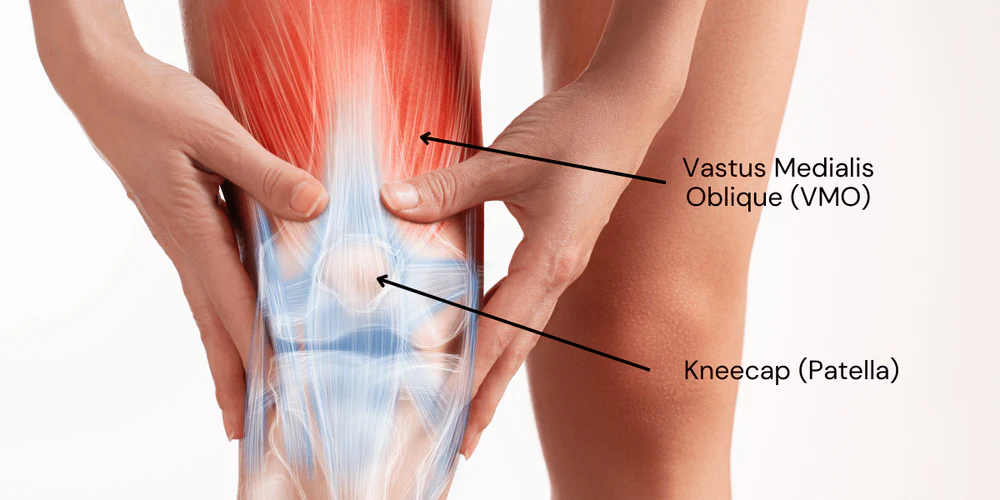
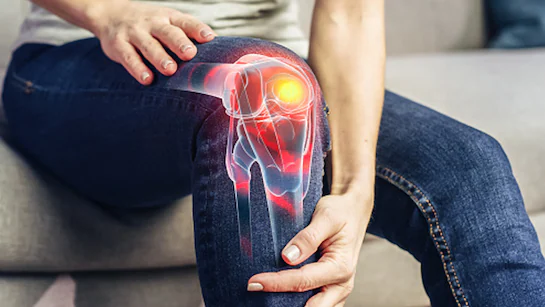
Cold weather can worsen joint pain in those with osteoarthritis or previous knee injuries. Reduced lubrication and inflammation make activities like squatting or climbing stairs uncomfortable.
2. Neck and Shoulder Stiffness
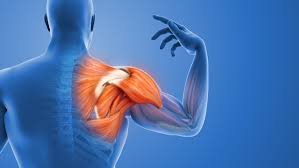
People working long hours at desks or using digital devices often complain of tightness around the neck and shoulders during winter. Cold air and poor posture together make these muscles prone to spasm.
3. Lower Back Pain
One of the most common winter issues. Reduced physical activity, prolonged sitting, and cold-induced muscle stiffness make the lumbar spine particularly vulnerable to strain.
4. Muscle Cramps
Cold environments can cause muscles to contract involuntarily. Calf cramps and hamstring tightness are frequent complaints among runners and fitness enthusiasts who continue outdoor workouts.
5. Joint Pain in Hands and Feet
People with rheumatoid arthritis often report worsening stiffness in smaller joints of the hands and feet during cold months, especially early in the morning.
How Physiotherapy Helps Combat Winter Stiffness
Physiotherapy offers targeted solutions to address both the symptoms and root causes of winter-related musculoskeletal issues. At DMPhysios, every treatment program is customized based on the patient’s specific condition, lifestyle, and movement patterns.
1. Improving Joint Mobility
Manual therapy techniques such as joint mobilization and soft tissue release improve flexibility and restore natural joint motion. By enhancing blood circulation and reducing muscle tension, physiotherapy restores ease of movement even in cold conditions.
2. Muscle Stretching and Flexibility Training
Tight muscles are a hallmark of winter stiffness. Physiotherapists guide patients through personalized stretching programs focusing on the neck, shoulders, back, and lower limbs. These exercises not only relieve tightness but also enhance tissue elasticity and prevent future strain.
3. Strengthening Exercises
Weak muscles struggle to support joints effectively. Strengthening programs, particularly for the core, glutes, and lower limbs, help build resilience against stiffness and pain. DMPhysios emphasizes progressive strengthening to ensure sustainable recovery without overloading joints.
4. Posture and Ergonomic Training
Poor posture often worsens during winter, when people hunch over to stay warm. Physiotherapists correct postural imbalances and educate patients about ergonomic setups to reduce stress on the spine and shoulders.
5. Heat Therapy and Modalities
Thermotherapy (heat packs, infrared therapy, or hydrocollator packs) is a staple in winter physiotherapy sessions. Heat improves blood flow, reduces stiffness, and provides immediate comfort. Other modalities like ultrasound and TENS may be used to relieve muscle spasm and nerve pain.
6. Joint Mobilization for Arthritic Pain
For those with arthritis or chronic joint stiffness, gentle mobilization techniques improve joint nutrition and decrease pain. DMPhysios’ therapists combine this with exercise therapy to optimize joint function.
7. Breathing and Relaxation Training
Cold weather can cause shallow breathing and upper-body tension. Physiotherapists use breathing retraining and relaxation techniques to improve oxygenation and muscle relaxation, especially beneficial for those with upper back or neck stiffness.
8. Education and Self-Management
A vital part of physiotherapy is helping patients understand their body mechanics. DMPhysios therapists provide clear home exercise plans, self-care strategies, and guidance on maintaining movement during cold weather.
Physiotherapy Exercise Examples for Winter Stiffness
Here are a few physiotherapist-approved exercises to keep your body flexible and pain-free this season:
1. Neck Rolls
Gently roll your head from side to side to release tension from the cervical muscles. Perform slowly and avoid sudden jerks.
2. Shoulder Circles
Roll shoulders forward and backward to loosen tight shoulder girdle muscles, especially helpful for desk workers.
3. Cat-Cow Stretch
A great spinal mobility exercise that helps maintain flexibility in the thoracic and lumbar regions.
4. Hamstring and Calf Stretch
Tight hamstrings and calves are common in winter. Stretching improves lower body circulation and flexibility.
5. Wall Angels
Stand against a wall and move your arms up and down like a snow angel. This strengthens postural muscles and opens up the chest.
Note: Always warm up gently before exercise, and consult your physiotherapist before starting new routines.
Why Choose DMPhysios for Winter-Related Aches
At DMPhysios, every patient is treated with a personalized, movement-based approach that focuses on long-term wellness rather than just symptom relief. The clinic’s advanced physiotherapy care for spine and sports conditions is particularly effective during winter months when patients often experience flare-ups of chronic pain.
Key features that make DMPhysios a preferred choice for winter stiffness include:
- Comprehensive assessment to identify the root cause of stiffness.
- Evidence-based manual therapy for faster pain relief.
- Customized exercise plans designed around the patient’s tolerance and fitness level.
- Education-driven sessions that empower patients to manage their conditions independently.
- Holistic recovery programs integrating posture correction, mobility training, and preventive care.
Whether you are an athlete trying to stay active in the cold, an office worker battling stiffness from long work hours, or an older adult struggling with joint pain, DMPhysios provides targeted care to keep you moving comfortably.
Tips to Prevent Winter-Induced Aches and Stiffness
You can take proactive steps to minimize the risk of stiffness and discomfort during cold months. Physiotherapists at DMPhysios recommend these practical strategies:
1. Stay Warm
Dress in layers and keep joints like knees, shoulders, and neck covered. Warm muscles are less likely to tighten or cramp.
2. Stay Active
Avoid prolonged sitting. Include regular stretching breaks, indoor walks, or gentle yoga sessions to maintain mobility.
3. Warm-Up Before Exercise
Cold muscles are prone to injury. Always do a gradual warm-up before workouts or outdoor activity.
4. Hydrate Well
People often forget to drink enough water in winter, leading to muscle cramps and reduced joint lubrication.
5. Maintain a Balanced Diet
Omega-3 fatty acids, Vitamin D, and magnesium support joint and muscle health during colder months.
6. Use Heat Wisely
Apply a hot water bag or take warm baths to relax tight muscles after a long day.
7. Mind Your Posture
Winter hunching can worsen shoulder and neck stiffness. Keep your shoulders relaxed and spine upright while working.
8. Regular Physiotherapy Check-Ups
If you have a history of arthritis, spine problems, or joint injuries, regular physiotherapy sessions at DMPhysios can help manage symptoms before they worsen.
The Psychological Side of Winter Aches
Winter doesn’t just affect the body, it can influence mood and motivation too. Reduced sunlight and lower activity levels often lead to fatigue and decreased exercise adherence. Physiotherapy offers more than just physical relief, it helps patients rebuild confidence, re-engage in active living, and overcome the lethargy that cold weather can bring.
The team at DMPhysios integrates motivational coaching and lifestyle advice within rehabilitation programs to ensure patients not only recover but also sustain healthy movement habits year-round.
Frequently Asked Questions
Conclusion
Winter stiffness and seasonal aches are not something you simply have to “live with.” With the right combination of movement, warmth, and guided physiotherapy, you can enjoy an active, pain-free life even in the coldest months.
Physiotherapy offers a scientific, safe, and effective way to combat muscle tightness, improve flexibility, and enhance joint health. Whether through manual therapy, tailored exercises, or postural corrections, professional guidance ensures long-term results and prevents winter-related injuries.
At DMPhysios, Noida’s trusted physiotherapy center for spine and sports conditions, the goal is simple, to keep you moving, no matter the season. Their expert physiotherapists blend clinical skill with compassionate care to help you beat the winter stiffness and stay strong all year long.
Don’t let the cold weather slow you down, book your winter physiotherapy consultation at DMPhysios today and move freely again!