
Overview
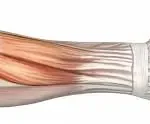
A Forearm Flexor Strain is a relatively common musculoskeletal injury that develops when the muscles located in the front part of the forearm, collectively known as the forearm flexor group, become overstretched or torn due to excessive tension or repetitive use. These muscles, which include the flexor carpi radialis, flexor carpi ulnaris, flexor digitorum superficialis, and palmaris longus, play a vital role in wrist and finger flexion. They are responsible for essential everyday movements such as gripping, typing, lifting, writing, or performing fine motor tasks. Because they are actively engaged in so many daily and athletic activities, these muscles are prone to overuse and strain.
A Forearm Flexor Strain can range from a mild overstretching of a few muscle fibers to a partial or even complete tear, depending on the intensity of the stress applied to the muscle group. In most cases, the condition develops gradually through repetitive strain, but it can also occur suddenly during high-intensity activities such as weightlifting, throwing, or racquet sports.
This injury most commonly affects athletes, gym enthusiasts, and individuals whose professions demand repetitive wrist or finger movements, such as tennis players, cricketers, carpenters, or office workers who spend long hours typing. The strain not only causes pain and discomfort but can also restrict wrist mobility, affect grip strength, and interfere with daily or occupational activities if not treated appropriately.
At DMPhysios, a premier physiotherapy clinic in Noida renowned for its expertise in spine and sports conditions, a Forearm Flexor Strain is approached with a comprehensive, patient-centered rehabilitation plan. The expert physiotherapists at DMPhysios emphasize accurate diagnosis, pain management, muscle reconditioning, and gradual functional restoration. Through evidence-based physiotherapy techniques, tailored exercise programs, and education about ergonomics and prevention, the clinic ensures that each patient not only recovers fully but also minimizes the risk of recurrence.
Whether you are an athlete looking to return to sport or an office professional dealing with forearm fatigue, DMPhysios provides an individualized recovery pathway that restores strength, mobility, and pain-free function, helping you get back to your activities with confidence and improved performance.
Symptoms
Recognizing the signs of a Forearm Flexor Strain early can significantly improve recovery outcomes. Common symptoms include:
- Pain in the front of the forearm: Usually felt during gripping, wrist flexion, or lifting.
- Tenderness: Especially around the inner elbow or mid-forearm region.
- Swelling or bruising: In cases of moderate to severe muscle fiber damage.
- Weak grip strength: Difficulty in holding or squeezing objects.
- Muscle stiffness: Particularly after periods of rest or the following morning.
- Pain radiating to the wrist or palm: If the strain involves deeper muscle layers.
- Reduced range of motion: Difficulty in flexing or rotating the wrist and forearm.
If left untreated, a Forearm Flexor Strain can progress into chronic forearm pain or lead to compensatory overuse of other muscles, resulting in secondary injuries.
Types of Forearm Flexor Strain
A Forearm Flexor Strain can be classified based on severity and the extent of muscle or tendon fiber damage:
- Grade I (Mild Strain):
- Minor overstretching or microtears in the muscle fibers.
- Mild pain and tenderness.
- No significant loss of strength or mobility.
- Grade II (Moderate Strain):
- Partial tear of the muscle or tendon fibers.
- Noticeable pain, swelling, and weakness.
- Difficulty in performing wrist flexion or gripping tasks.
- Grade III (Severe Strain):
- Complete rupture of the muscle or tendon.
- Severe pain, visible deformity, and loss of function.
- Requires extended rest and possibly surgical intervention.
DMPhysios offers comprehensive assessment protocols to accurately grade the Forearm Flexor Strain, ensuring each patient receives the right intensity and progression of rehabilitation.
Causes
A Forearm Flexor Strain can occur due to various factors, often related to overuse, improper mechanics, or sudden overload on the muscles. Common causes include:
- Repetitive wrist flexion activities: Typing, gripping tools, or playing racquet sports.
- Sudden eccentric loading: Rapid deceleration while gripping or lifting heavy objects.
- Poor warm-up before physical activity.
- Weakness or fatigue of forearm muscles.
- Improper lifting technique or poor posture.
- Sudden increase in activity intensity: Such as returning to sports after a break.
- Direct trauma: A blow to the forearm or sudden twisting injury.
Athletes and fitness enthusiasts who perform repetitive wrist and finger movements without adequate rest or conditioning are particularly at risk of developing a Forearm Flexor Strain.
Risk Factors
Certain factors can increase susceptibility to a Forearm Flexor Strain, including:
- Participation in high-risk sports: Tennis, golf, weightlifting, rock climbing, cricket.
- Occupational overuse: Mechanics, carpenters, typists, musicians.
- Poor wrist and grip mechanics.
- Muscle imbalance between flexors and extensors.
- Previous forearm or elbow injuries.
- Lack of flexibility or inadequate recovery.
- Sudden increase in workload or training volume.
At DMPhysios in Noida, expert physiotherapists assess these risk factors carefully to design preventive and corrective plans tailored to each patient’s activity level and occupational demands.
Treatment
Treatment for a Forearm Flexor Strain focuses on pain relief, healing, and restoring normal muscle function. The severity of the strain determines the course of management, which may include:
1. Acute Phase (First 48–72 Hours)
- Rest: Avoid any activity that causes pain or strain to the forearm flexors.
- Ice Therapy: Apply ice packs for 15–20 minutes every few hours to reduce pain and inflammation.
- Compression: Use an elastic bandage or compression sleeve to minimize swelling.
- Elevation: Keep the forearm elevated to control inflammation.
- Pain management: Nonsteroidal anti-inflammatory drugs (NSAIDs) may be recommended by a physician.
2. Subacute Phase (After 3–5 Days)
- Gradual reintroduction of movement and gentle stretching.
- Avoid resistance exercises until pain subsides.
- Begin physiotherapy interventions under the guidance of professionals like those at DMPhysios.
3. Recovery Phase
- Progressive strengthening and conditioning exercises.
- Focus on improving flexibility, proprioception, and endurance.
- Return to sport or activity once full, pain-free movement is achieved.
Physiotherapy Treatment
At DMPhysios, physiotherapy management of a Forearm Flexor Strain is comprehensive, evidence-based, and individualized. The goal is not only to heal the injury but also to prevent recurrence and improve overall forearm function.
1. Pain Relief Techniques
- Cryotherapy and Heat Therapy: Ice application in the acute stage followed by heat packs to promote blood flow in the subacute phase.
- Ultrasound Therapy: Enhances tissue healing and reduces inflammation.
- TENS (Transcutaneous Electrical Nerve Stimulation): Helps in pain modulation.
2. Manual Therapy
- Soft Tissue Mobilization: Gentle massage and myofascial release to reduce muscle tightness.
- Cross-Friction Massage: Applied to the flexor tendon to promote collagen remodeling.
- Joint Mobilization: To improve wrist and elbow joint mechanics, reducing compensatory stress.
3. Stretching Exercises
Gradual stretching helps regain flexibility and prevent stiffness:
- Wrist flexor stretch: Extend the elbow, straighten the arm, and gently pull the wrist into extension.
- Forearm pronation/supination stretch: Improves mobility and circulation in the muscle fibers.
4. Strengthening Exercises
Once pain and swelling subside, progressive strengthening begins:
- Isometric holds: Gentle contractions without movement to activate the flexor muscles.
- Wrist curls: Performed with light weights or resistance bands.
- Eccentric wrist flexion: Slowly lowering the wrist from a flexed to neutral position.
- Grip strengthening: Using a stress ball or hand gripper.
- TheraBand exercises: Gradually challenge the muscles through controlled resistance.
5. Neuromuscular Re-education
At DMPhysios, therapists emphasize restoring proper muscle coordination and movement patterns to avoid recurrence. Exercises may include:
- Wrist stabilization drills.
- Proprioceptive training using balance boards or hand coordination tasks.
- Task-specific training for athletes or professionals.
6. Functional and Sport-Specific Training
Once strength and flexibility return, training becomes more dynamic:
- Plyometric forearm drills.
- Grip endurance exercises.
- Sport-mimicking movements to ensure safe return to play.
7. Ergonomic and Postural Corrections
- Adjusting workstation setup for professionals who use computers extensively.
- Educating athletes on proper wrist mechanics and equipment use.
- Incorporating rest breaks and mobility exercises into daily routines.
DMPhysios, located in Noida, ensures that every Forearm Flexor Strain rehabilitation plan is customized, progressive, and centered around the patient’s recovery goals. Their multidisciplinary approach combines manual therapy, exercise therapy, and education to ensure complete and lasting recovery.
Prevention
Preventing a Forearm Flexor Strain involves maintaining optimal muscle strength, flexibility, and technique. Some preventive strategies include:
- Proper Warm-up: Always warm up the forearm muscles before sports or physical work.
- Gradual Progression: Avoid sudden increases in workout intensity or volume.
- Strength and Flexibility Training: Include forearm and wrist exercises regularly.
- Ergonomic Adjustments: Maintain correct posture while typing, gripping, or lifting.
- Adequate Recovery: Allow muscles to rest and recover between high-intensity sessions.
- Use Correct Equipment: Ensure proper grip size and handle ergonomics in sports or work tools.
- Regular Physiotherapy Check-ups: Periodic assessments at DMPhysios help detect early muscle imbalances or strain signs before they become severe.
Conclusion
A Forearm Flexor Strain can significantly impact daily activities, athletic performance, and occupational efficiency if not managed properly. Early diagnosis, proper rest, and a structured physiotherapy plan are crucial for full recovery.
At DMPhysios, a leading physiotherapy clinic in Noida specializing in spine and sports conditions, the focus is on patient-centered rehabilitation that not only treats the Forearm Flexor Strain but also prevents recurrence through education, strengthening, and functional retraining.
If you’re struggling with forearm pain, weakness, or difficulty performing wrist movements, don’t ignore the symptoms. Visit DMPhysios today for a comprehensive evaluation and expert care. Their team of skilled physiotherapists will guide you through a personalized recovery program to help you regain strength, mobility, and confidence in your daily and athletic activities.
Take the first step toward recovery, contact DMPhysios in Noida and get the most effective, evidence-based treatment for your Forearm Flexor Strain today!