
Winter Induced Joint Pain | Correlation between Joint Pain and Winters?

Winter Induced Joint Pain

Correlation between Joint Pain and Winters? Why Pain Increases during Winters? How to manage This and Role of Physiotherapy?

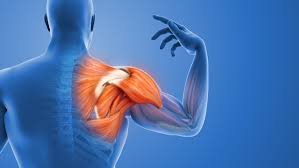
W inter often brings an increase in joint pain, neck pain , back pain  and several factors contribute to this seasonal discomfort. For individuals with pre-existing joint conditions like arthritis, the colder weather can worsen symptoms, but even people without such conditions may experience discomfort. Here are some key factors that contribute to winter-induced joint pain:

1. Cold Temperatures

Cold weather causes the body to reduce blood flow to extremities, which can make joints feel stiffer and more painful. The cold also causes muscles, ligaments, and tendons to tighten, contributing to discomfort.

2. Changes in Barometric Pressure

As the barometric pressure drops before a storm, it can cause tissues in the body to expand, leading to increased pressure on the joints. This pressure change may exacerbate pain and stiffness, particularly in individuals with arthritis or joint issues.

3. Reduced Physical Activity

During winter, people tend to be less active due to colder weather and shorter days. Lack of movement can lead to muscle stiffness and weakened joint support, which can increase joint pain. Regular exercise is essential for maintaining joint health, and its reduction in winter can worsen symptoms.

4. Dry Air

Winter air is typically drier, and this can lead to dry, cracked skin and less lubrication around the joints. Proper hydration and moisturizing can help counteract the drying effects of winter, but for many, it remains an uncomfortable issue.

5. Less Sunlight and Vitamin D

Sunlight exposure is reduced in winter, and so is the body’s ability to produce Vitamin D, which is essential for bone health. Deficiency in Vitamin D can contribute to joint pain and stiffness.

6. Increased Stress

The winter season can sometimes lead to seasonal affective disorder (SAD), increasing emotional and physical stress, which in turn can make the body more sensitive to pain.

Understanding joint pain:

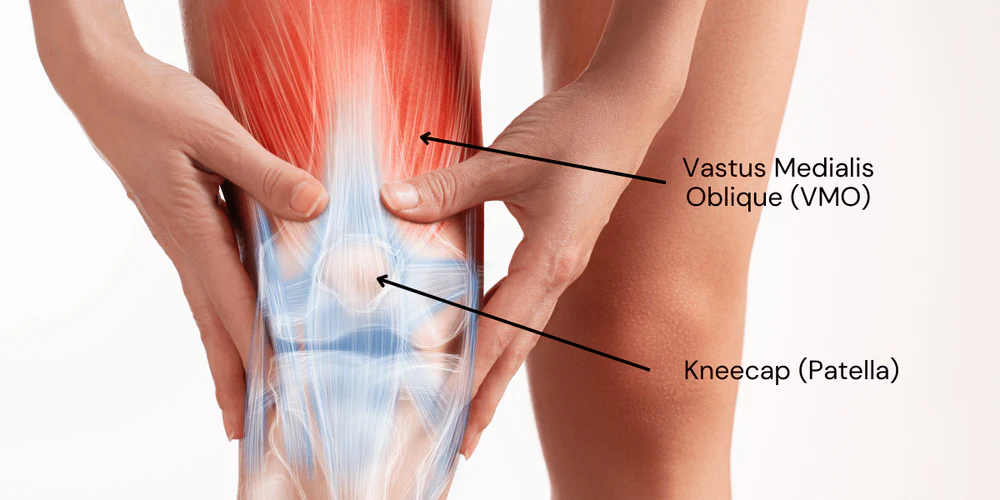
Joint pain is the pain that is present in or around the joint. It occurs due to degenerative changes in the joint known as osteoarthritis. Conditions like Rheumatoid arthritis, injuries or stress to ligaments , muscles and tendons also leads to joint pain.
Overuse injury or repetitive movement also leads to joint pain. Additionally, infections, autoimmune disease or metabolic disorders also contribute in triggering it pain.

Symptoms of joint pain

  • It includes pain ,swelling , stiffness and restricted Rom in or around the joint.

  • It might also gives signs of inflammation that is redness, warmth and swelling around joint after injury.

  • Weakness ,restricted mobility and clicking or popping up sensation are also seen in chronic joint pain.

How to Manage Winter-Induced Joint Pain:

  • Stay Active: Gentle exercises, like walking or swimming in a heated pool, can help keep joints flexible.
  • Warm Up: Use warm compresses or heating pads to reduce stiffness and increase blood flow to affected areas.
  • Hydrate and Moisturize: Drinking plenty of water and using moisturizers can help maintain skin and joint lubrication.
  • Dress Warmly: Wearing layers and keeping joints covered helps maintain warmth and reduces discomfort.
  • Consider Supplements: Omega-3 fatty acids, glucosamine, or Vitamin D supplements can support joint health, especially in the winter months.
    By understanding the various factors that contribute to it  in winter, individuals can take proactive steps to manage their discomfort and improve their quality of life during the colder months.

Role of Physiotherapy in preventing joint pain

Physiotherapy plays an important role in decreasing or relieving it by treating the root cause, enhancing muscle strength, and improving joint mobility.

1Manual therapy  It includes the hands on technique by a skilled physiotherapist. Joint mobilization, joint manipulation, soft tissue massage helps to reduce pain and stiffness, improves the joint range of motion, and overall function of the joint.

2. Exercise therapy – It basically involves the mobility and strengthening of the targeted muscles by using the muscle’s own strength (isometric), weights, therabands, etc., that are present around the joint to improve joint stability and mobility, enhance muscle and joint functions, and decrease it  and stiffness. 

3. Gait Training and Re-education for Joint Pain Relief:

It involves posture correction and gait pattern of the affected individual. Using targeted approach and manual techniques it aims to improve balance, reduce stress and strains on joints, and decreases discomfort during walking or movement.

4. Electrotherapy – It includes modalities like TENS, ultrasound (US), LASER, etc. These modalities help in relieving pain, stiffness, and inflammation, promote tissue healing, and thus help improve joint function and mobility.

5. Heat and cold therapy – Combining both hot and cold therapies helps relieve pain, stiffness, and inflammation. Using them alternately triggers the Lewis-Hunting reaction, which improves blood circulation, relaxes the surrounding muscles, relieves pain, and decreases stiffness.

6. Taping / bracing

7. Balance and proprioception training

8. Soft tissue mobilization

9. Dry needling

10. Functional training

Frequently Asked Questions

1. Why do joints feel stiffer first thing in the morning during winter?
Cold temperatures reduce blood flow to muscles and joints, which can make connective tissues feel tight after periods of rest. During sleep, joints remain relatively inactive, allowing stiffness to build up more easily in winter compared to warmer seasons. This is why morning stiffness feels more noticeable and takes longer to ease. Gentle movement, gradual warming of the body, and slow range-of-motion exercises help restore circulation and reduce early-day discomfort without placing sudden stress on the joints.
2. Can winter joint pain affect people without arthritis or old injuries?
Yes, winter-related joint discomfort is not limited to people with arthritis or past injuries. Even healthy individuals may experience joint stiffness due to reduced activity levels, colder muscles, and longer periods of inactivity during winter. Cold weather can temporarily reduce joint lubrication and muscle flexibility, making everyday movements feel uncomfortable. These changes are usually reversible with consistent movement, warmth, and proper joint care, especially when addressed early through physiotherapy-guided routines.
3. Does reduced sunlight in winter play a role in joint discomfort?
Reduced sunlight exposure can indirectly influence joint pain. Lower sunlight often leads to reduced vitamin D levels, which are important for bone and muscle health. Vitamin D deficiency may contribute to muscle weakness and increased joint sensitivity over time. Additionally, low sunlight can reduce activity levels and affect mood, both of which impact physical movement. Maintaining healthy vitamin D levels and staying physically active indoors can help reduce winter-related joint discomfort.
4. Is it safe to exercise joints that already feel painful in cold weather?
In most cases, gentle and controlled movement is safe and beneficial, even when joints feel uncomfortable. Avoiding movement altogether can worsen stiffness and reduce joint nutrition. The key is choosing low-impact, joint-friendly exercises and warming up properly before activity. Sudden, high-intensity movements should be avoided during cold conditions. A physiotherapist can guide safe exercise intensity and help ensure movements support healing rather than increasing strain.
5. Why does joint pain seem worse at night during winter months?
At night, body temperature naturally drops, which can increase joint stiffness and discomfort during colder seasons. Reduced movement throughout the evening also allows joints to stiffen further. Poor sleeping posture or inadequate bedding warmth may add to the problem. Maintaining warmth, gentle stretching before bed, and using supportive sleeping positions can help reduce nighttime joint pain and improve sleep quality during winter.
6. Can indoor heating make winter joint pain better or worse?
Indoor heating helps maintain body warmth, which can reduce muscle tension and joint stiffness. However, very dry indoor air may lead to dehydration, which can indirectly affect joint lubrication. Additionally, staying indoors for long periods may reduce physical activity levels. Balancing warmth with hydration and regular indoor movement is important. Gentle stretching, mobility exercises, and short activity breaks help counteract the negative effects of prolonged indoor inactivity.
7. How long does winter-related joint stiffness usually last?
Winter-induced joint stiffness often improves as the body warms up and movement increases throughout the day. In mild cases, discomfort may last minutes to an hour. However, if stiffness persists for several hours or continues daily, it may indicate an underlying joint or movement issue. Early physiotherapy support helps identify contributing factors and prevents seasonal stiffness from becoming a chronic condition that extends beyond winter.
8. Can poor footwear worsen joint pain during winter?
Yes, improper footwear can significantly worsen joint discomfort during colder months. Slippery surfaces and unsupportive shoes alter walking patterns, increasing stress on knees, hips, and ankles. Cold-stiffened joints are more vulnerable to strain from poor shock absorption and uneven support. Wearing stable, cushioned footwear with good grip helps maintain joint alignment and reduces unnecessary stress during daily activities in winter conditions.
9. Does staying inactive during winter increase joint pain long-term?
Prolonged inactivity can lead to muscle weakness, reduced joint mobility, and poorer circulation, all of which increase joint discomfort over time. While rest is important during flare-ups, excessive inactivity worsens stiffness and delays recovery. Maintaining consistent, low-impact movement throughout winter helps preserve joint health and reduces the risk of long-term pain. Physiotherapy-guided activity plans help balance rest and movement safely.
10. When should winter-related joint pain be assessed by a physiotherapist?
If joint pain persists despite basic self-care, limits daily activities, or worsens with routine movement, professional assessment is recommended. Recurrent seasonal pain may indicate underlying joint dysfunction or movement imbalance. A physiotherapist can identify contributing factors and design targeted strategies to reduce pain and prevent future winter flare-ups. Early intervention helps maintain joint mobility and supports long-term comfort across changing seasons.

Book a Consultation

It’s easy and free!

Dr. Ritika Aggarwal

Dr. Ritika Aggarwal

Physiotherapist

Related Posts

Best Physiotherapy Center in Ashok Nagar Delhi , Physiotherapy plays a vital role in modern healthcare by helping individuals recover from injuries, manage chronic pain, enhance mobility, and improve overall quality of life. Whether you are dealing with back pain, sports injury, post-surgery rehabilitation, or age-related conditions like arthritis, choosing the right physiotherapy center is …

Leave a Reply

Your email address will not be published. Required fields are marked *