Overview
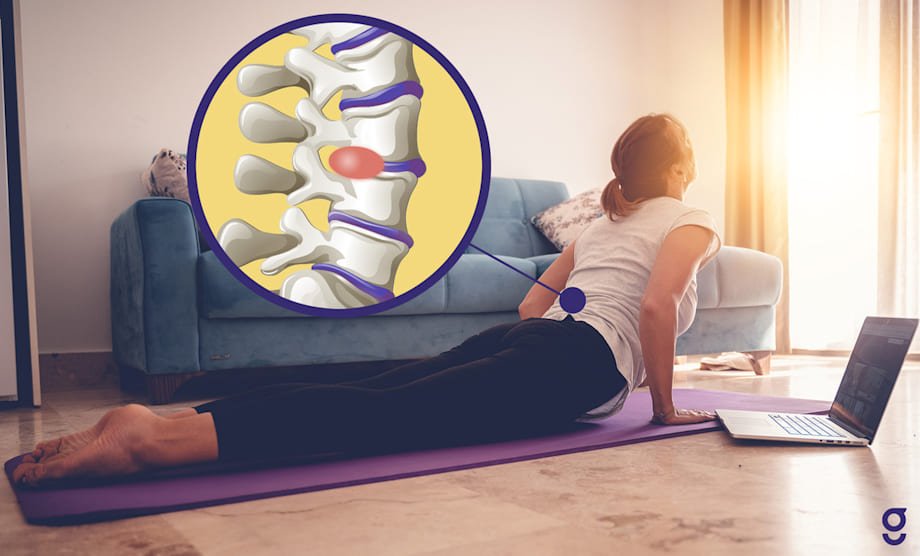
A slipped disc, often referred to as a herniated or prolapsed disc, is a common spinal condition in which the soft, gel-like center of an intervertebral disc (known as the nucleus pulposus) bulges or leaks out through a weakened or torn outer layer (the annulus fibrosus).
This escape of disc material can press on or irritate nearby spinal nerves or even the spinal cord itself, resulting in pain, tingling, numbness, or muscle weakness in various parts of the body, depending on the location of the disc involved. Contrary to the name “slipped disc,” the disc itself does not actually slip out of position; rather, its inner contents protrude or migrate outward through structural damage in the outer ring.
At DMPhysios, a renowned clinic in Noida specializing in spine and sports conditions, patients with a slipped disc benefit from a truly patient-centered rehabilitation program. Our multidisciplinary approach combines up-to-date medical knowledge, expert physiotherapy, advanced rehabilitation techniques, and individualized exercise plans to not only reduce pain and inflammation but also restore spinal stability, improve mobility, and minimize the risk of future episodes. By focusing on long-term functional recovery rather than just short-term relief, DMPhysios ensures that each patient receives personalized care tailored to their lifestyle and health goals.
Symptoms
The symptoms of a slipped disc can vary widely depending on the location of the herniation (cervical, thoracic, or lumbar spine) and the degree of nerve involvement. Common signs include:
- Back or neck pain: Localized discomfort at the site of the disc problem.
- Radiating pain: Shooting pain into the arms (for cervical discs) or into the buttocks, legs, and feet (for lumbar discs).
- Numbness or tingling: Sensory changes in the limbs due to nerve compression.
- Weakness: Reduced strength in muscles supplied by the affected nerve roots.
- Difficulty with movement: Trouble bending, lifting, or standing due to pain or stiffness.
- Changes in reflexes: Sometimes a slipped disc can alter deep tendon reflexes in the arms or legs.
If the herniation compresses the spinal cord or cauda equina, it can lead to severe symptoms such as bladder or bowel dysfunction, which require urgent medical attention.
Types of Slipped Disc
While “slipped disc” is a broad term, it can be classified based on location and pattern of herniation:
- Cervical Slipped Disc
Occurs in the neck region and may cause neck pain radiating to the shoulders, arms, and hands. - Thoracic Slipped Disc
Less common but can cause pain around the mid-back and sometimes wrap-around chest pain. - Lumbar Slipped Disc
The most common type, affecting the lower back, with pain radiating to the buttocks and legs (sciatica). - Based on Disc Protrusion Pattern:
- Bulging Disc – The disc protrudes without rupture of the outer ring.
- Prolapsed Disc – The inner nucleus pushes out but remains connected.
- Extruded Disc – The nucleus has pushed through the annulus but remains attached.
- Sequestered Disc – The inner material breaks free completely and migrates.
At DMPhysios, therapists carefully assess which type of slipped disc a patient has, as this influences both the prognosis and treatment plan.
Causes
A slipped disc can result from a single traumatic event or develop gradually over time. Common causes include:
- Age-related degeneration: As discs lose water content and elasticity with age, they become more prone to tears.
- Sudden heavy lifting or twisting: Improper lifting techniques or abrupt movements can damage discs.
- Repetitive strain: Jobs or sports that involve frequent bending, lifting, or twisting.
- Trauma or accidents: Direct impact to the spine from falls, collisions, or sports injuries.
- Sedentary lifestyle: Weak core muscles can increase stress on spinal discs.
Risk Factors
Several factors increase the likelihood of developing a slipped disc:
- Age: Most common between 30–50 years old.
- Occupational demands: Jobs requiring heavy manual labor or prolonged sitting.
- Genetics: Family history of disc problems may predispose individuals.
- Obesity: Excess weight increases stress on the spine.
- Smoking: Reduces disc nutrition and accelerates degeneration.
- Poor posture: Chronic slouching or improper ergonomics.
- Weak core muscles: Lack of spinal support increases disc stress.
At DMPhysios, patients are evaluated for these risk factors so that treatment and prevention strategies can be tailored accordingly.
Treatment
Management of a slipped disc often starts with conservative measures and progresses to more invasive options if necessary. The main goals are pain relief, restoration of function, and prevention of recurrence.
Conservative (Non-Surgical) Treatment
- Rest and activity modification: Short periods of rest followed by gradual return to normal activities.
- Pain-relief medications: Nonsteroidal anti-inflammatory drugs (NSAIDs) and muscle relaxants as prescribed.
- Heat or cold therapy: To reduce pain and inflammation.
- Bracing (in some cases): Temporary support for posture and stabilization.
Interventional Options
- Epidural steroid injections: Used to reduce inflammation around nerve roots.
- Nerve blocks: For targeted pain relief in severe cases.
Surgical Treatment
Surgery is considered only when conservative care fails or in cases of severe nerve compression. Procedures include:
- Microdiscectomy: Removal of the herniated disc fragment.
- Laminectomy: Removal of part of the vertebra to relieve pressure.
- Disc replacement: Artificial disc implantation in selected cases.
At DMPhysios, we coordinate with spine specialists and surgeons to ensure patients receive comprehensive, multidisciplinary care for their slipped disc.
Physiotherapy
Physiotherapy is the cornerstone of non-surgical management for a slipped disc. At DMPhysios, our approach is evidence-based and individualized. We emphasize:
1. Pain Management
- Gentle modalities such as transcutaneous electrical nerve stimulation (TENS), ultrasound therapy, and manual therapy to reduce pain and muscle spasm.
2. Posture Education and Ergonomics
- Teaching proper sitting, standing, and lifting mechanics to reduce stress on the spine.
- Ergonomic assessments for workplace or home setups.
3. Core Strengthening
- Progressive exercises targeting the deep abdominal and back muscles.
- Examples: abdominal bracing, pelvic tilts, dead bugs, and bird-dogs.
- Strong core muscles act like a natural corset, reducing pressure on the disc.
4. Flexibility and Mobility Training
- Gentle stretching of hamstrings, hip flexors, and paraspinal muscles.
- Restoring mobility in the hips and thoracic spine to offload the lumbar region.
5. Nerve Gliding Techniques
- Specific exercises to mobilize compressed or irritated nerves, especially in cases of sciatica.
6. Gradual Strength Progressions
- As pain subsides, strengthening of glutes, hips, and shoulders to enhance whole-body stability.
- Functional exercises that mimic daily activities.
7. Manual Therapy
- Soft tissue mobilization and joint techniques performed by skilled physiotherapists at DMPhysios to reduce stiffness and improve alignment.
8. Education on Activity Modification
- Guidance on pacing activities, avoiding aggravating movements, and incorporating spine-friendly habits into daily life.
This holistic approach not only relieves current symptoms but also reduces recurrence risk. Many patients at DMPhysios find that personalized physiotherapy for a slipped disc helps them regain confidence in movement and return to work or sport sooner.
Prevention
Preventing a slipped disc involves adopting habits that support spinal health:
- Maintain good posture: Keep your spine aligned during sitting, standing, and lifting.
- Strengthen core muscles: Regularly perform exercises for the back, abdominals, and hips.
- Lift properly: Bend at the knees, not the waist; keep objects close to your body.
- Stay active: Regular low-impact activities like walking, swimming, or cycling.
- Maintain healthy weight: Reduce excess load on your spine.
- Avoid prolonged sitting: Take breaks every 30–60 minutes to stand and stretch.
- Quit smoking: Enhances disc nutrition and slows degeneration.
At DMPhysios, we don’t just treat the problem; we empower patients with education and exercise plans to keep their spine healthy for life.
Conclusion
A slipped disc can be painful and debilitating, but with timely diagnosis and the right management, most people recover without surgery. Early physiotherapy intervention, lifestyle changes, and education can significantly improve outcomes.
At DMPhysios, a renowned clinic located in Noida specializing in spine and sports conditions, we offer patient-centered rehabilitation programs tailored to each individual’s needs. Whether you’re dealing with acute pain from a slipped disc or looking to prevent recurrence, our experienced team of physiotherapists and rehabilitation specialists can help you regain function and return to your daily activities with confidence.
If you or a loved one is experiencing symptoms of a slipped disc, don’t wait. Contact DMPhysios today to schedule a comprehensive assessment and start your journey to recovery.