Overview
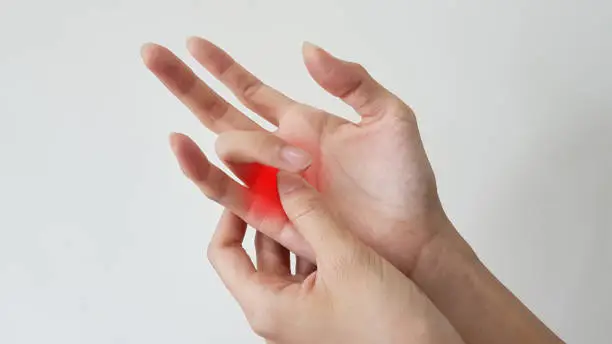
Trigger finger, medically known as stenosing tenosynovitis, is a common condition affecting the tendons of the fingers and thumb. It occurs when the flexor tendon that bends the finger becomes irritated, inflamed, or thickened, making it difficult for the tendon to glide smoothly through the surrounding sheath. This leads to a catching or locking sensation when moving the finger — hence the name “trigger finger.”
At DMPhysios, a leading clinic located in Noida specializing in spine and sports conditions with a focus on patient-centered rehabilitation, we frequently manage individuals experiencing trigger finger. Our approach combines evidence-based physiotherapy, patient education, and customized rehabilitation strategies to restore pain-free hand function.
Trigger finger can affect any finger, but it is most commonly seen in the thumb, ring finger, and middle finger. Although it may seem like a minor issue at first, untreated trigger finger can lead to stiffness, decreased hand function, and significant disruption of daily activities such as gripping, writing, or lifting objects.
Symptoms
Recognizing the early symptoms of trigger finger is crucial for timely intervention. Common symptoms include:
- Catching or locking sensation: The affected finger “catches” when bent and may snap straight suddenly, like a trigger being released.
- Pain or tenderness at the base of the finger or thumb: Especially noticeable on the palm side.
- Finger stiffness: More pronounced in the morning or after periods of inactivity.
- Palpable nodule: A small lump may develop at the base of the finger, reflecting thickening of the tendon.
- Swelling: Around the affected tendon sheath.
- In severe cases: The finger may become stuck in a bent position and cannot be straightened without assistance.
If you notice these symptoms, especially the locking or painful snapping, it is important to consult a healthcare provider. At DMPhysios in Noida, our physiotherapists routinely evaluate these presentations to confirm the diagnosis and plan individualized management.
Types of Trigger Finger
While there isn’t an official “classification” of trigger finger like in some other conditions, clinicians often describe it based on severity:
- Mild trigger finger: Occasional catching or slight discomfort without locking.
- Moderate trigger finger: Frequent catching with pain and occasional locking.
- Severe trigger finger: Persistent locking with limited ability to straighten or bend the finger, often requiring more intensive treatment.
Sometimes, trigger finger is also categorized by which digit is involved, such as trigger thumb, which is common in children but also seen in adults.
Causes
Trigger finger develops when there is narrowing or thickening of the sheath (pulley) that the tendon passes through. This impedes smooth gliding and creates the characteristic catching sensation. Factors that can cause this include:
- Repetitive gripping or hand use: Activities that involve repeated grasping or pinching motions.
- Inflammation: Conditions such as rheumatoid arthritis, gout, or inflammatory tenosynovitis.
- Microtrauma: Small injuries to the tendon or sheath over time.
- Scar tissue or nodules: Following injury or surgery.
Understanding these causes helps in tailoring treatment. At DMPhysios, we educate patients on modifying hand activities to reduce tendon stress while implementing targeted physiotherapy.
Risk Factors
Certain populations are at a higher risk of developing trigger finger:
- Age: More common in people aged 40–60.
- Gender: Women are more frequently affected than men.
- Occupational activities: Jobs or hobbies requiring repetitive gripping, such as gardening, playing musical instruments, or heavy tool use.
- Underlying health conditions: Diabetes, rheumatoid arthritis, gout, and hypothyroidism significantly increase risk.
- Previous hand injuries or surgeries: Scar tissue can predispose tendons to catching.
By identifying these risk factors early, healthcare professionals at DMPhysios in Noida can implement preventive strategies to minimize the onset or recurrence of trigger finger.
Treatment
Management of trigger finger ranges from conservative care to surgical interventions, depending on severity:
- Activity modification: Reducing repetitive gripping or forceful hand movements.
- Splinting: Keeping the affected finger in an extended position to rest the tendon.
- Nonsteroidal anti-inflammatory drugs (NSAIDs): To reduce pain and swelling.
- Steroid injections: Corticosteroid injections into the tendon sheath may reduce inflammation and allow smoother tendon movement.
- Surgical release: In persistent or severe cases, a minor procedure called “trigger finger release” can enlarge the tendon sheath, restoring movement.
While medical or surgical treatments address inflammation or structural narrowing, physiotherapy is essential for restoring function, improving flexibility, and preventing recurrence. This is where DMPhysios’ patient-centered rehabilitation approach makes a difference.
Physiotherapy Treatment
Physiotherapy plays a pivotal role in both non-operative and post-operative management of trigger finger. At DMPhysios, we create a comprehensive program customized to the patient’s symptoms, lifestyle, and recovery goals.
1. Assessment and Education
- Detailed evaluation of finger movement, grip strength, pain points, and functional limitations.
- Patient education on avoiding aggravating activities and adopting ergonomic hand positions.
2. Splinting and Support
- Custom-made finger or hand splints to maintain extension and reduce tendon friction.
- Guidance on wearing schedules and gradual weaning.
3. Manual Therapy Techniques
- Gentle mobilization of the affected finger and tendon sheath.
- Soft tissue massage to reduce adhesions and improve blood flow.
- Stretching of the flexor tendons and palm muscles.
4. Therapeutic Exercises
- Tendon Gliding Exercises: To promote smooth movement of the flexor tendons within their sheaths.
- Passive Finger Extension/Flexion: Performed carefully to restore normal range without aggravating symptoms.
- Intrinsic Hand Strengthening: Using putty, rubber bands, or small balls to regain grip strength after pain subsides.
- Stretching of Forearm Muscles: Because tight forearm flexors can increase stress on finger tendons.
5. Modalities for Pain and Inflammation
- Ultrasound therapy: Enhances circulation and reduces inflammation in the tendon sheath.
- Cryotherapy or heat application: Depending on the stage of inflammation, to ease discomfort.
6. Activity Modification and Ergonomics
- Teaching proper hand mechanics for work and daily tasks.
- Advising breaks and stretching during repetitive tasks to prevent flare-ups.
7. Post-Surgical Rehabilitation
- For patients undergoing surgical release, physiotherapy helps restore finger mobility, prevent stiffness, and strengthen grip.
- Scar management techniques to prevent adhesions.
The physiotherapy team at DMPhysios in Noida not only treats the immediate problem but also equips patients with self-management strategies to ensure long-term relief from trigger finger.
Prevention
While not all cases can be prevented, certain measures can reduce the likelihood of developing trigger finger:
- Avoid prolonged repetitive gripping: Incorporate rest breaks during activities requiring heavy hand use.
- Use ergonomic tools: Cushioned or larger handles reduce strain on finger tendons.
- Stretch and strengthen regularly: Perform hand and finger exercises, especially if you use your hands intensively for work or hobbies.
- Manage underlying conditions: Good control of diabetes, arthritis, or thyroid issues can reduce risk.
- Early intervention: At the first sign of catching or discomfort, seek assessment from a physiotherapist at DMPhysios for tailored advice.
Conclusion
Trigger finger is more than just a minor inconvenience; it can significantly impair hand function and quality of life. Early recognition of symptoms — such as finger locking, pain, or stiffness — is essential for effective treatment. While medical options like splinting or injections may offer relief, physiotherapy is indispensable for restoring full finger mobility, improving tendon health, and preventing recurrence.
At DMPhysios, a trusted clinic in Noida specializing in spine and sports conditions with patient-centered rehabilitation, we take pride in offering comprehensive, evidence-based care for individuals with trigger finger. Our physiotherapists design personalized rehabilitation plans that not only relieve symptoms but also empower patients to protect their hand health in the long term.If you or someone you know is experiencing symptoms of trigger finger, don’t wait for it to worsen. Contact DMPhysios today to book an appointment with our expert physiotherapy team. With timely, individualized care, you can regain pain-free finger movement and return to the activities you love.