Arthritis: A Comprehensive Guide by DMPhysios
Overview
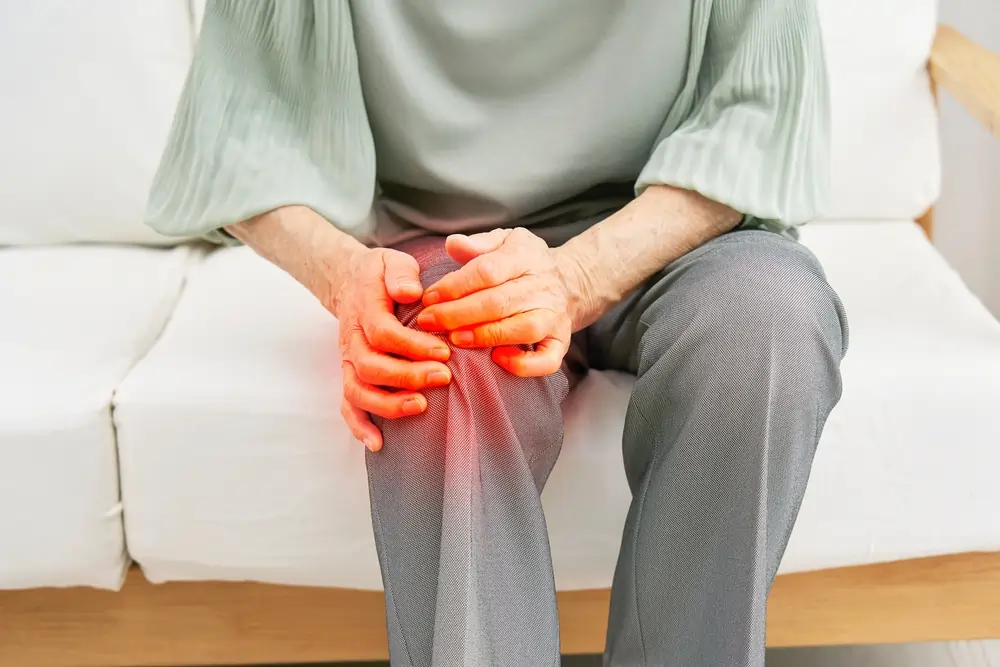
Arthritis is a broad term used to describe inflammation in one or more joints of the body, leading to pain, stiffness, reduced range of motion, and impaired function. It affects people of all ages but is more common among older adults. The condition can target both small and large joints and may impact daily functioning significantly. At DMPhysios, a leading physiotherapy clinic specializing in spine and sports conditions, we understand how arthritis can affect your quality of life. Our goal is to provide patient-centered rehabilitation that alleviates pain and restores function.
Arthritis can be broadly classified into two categories: sero-positive and sero-negative arthritis. Each type has different causes, symptoms, and treatment approaches. Understanding these variations helps us create personalized rehab programs at DMPhysios.
Symptoms of Arthritis
The symptoms of arthritis may vary depending on the type, but common signs include:
- Joint pain and tenderness
- Swelling and inflammation
- Stiffness, especially in the morning
- Reduced range of motion
- Fatigue
- Warmth and redness around the joints
- Crepitus (grating sound during movement)
Types of Arthritis
- Osteoarthritis (OA): The most common type, usually age-related, caused by joint degeneration. Symptoms include non-uniform pain, crepitus during joint movement, and stiffness, particularly in weight-bearing joints like the knees and hips.
- Rheumatoid Arthritis (RA): An autoimmune condition that causes symmetrical joint pain and stiffness lasting over 30 minutes in the morning. Common symptoms include fatigue, low-grade fever, and nodules. RA typically affects smaller joints and is often genetic.
- Gout: A metabolic disorder due to excess uric acid forming crystals in joints, especially the big toe. Characterized by sudden, intense pain at night, swelling, warmth, and redness.
- Septic Arthritis: Caused by bacterial or viral infection in the joint, leading to severe pain, fever, fatigue, and sometimes weight loss. It is a medical emergency requiring immediate intervention.
- Ankylosing Spondylitis: A form of spinal arthritis that causes stiffness and pain in the lower back and hips, especially in the morning. The condition improves with movement and is more common in males aged 15-25.
- Psoriatic Arthritis: Associated with psoriasis, this type causes joint pain along with skin symptoms. It involves swollen fingers, nail changes like pitting or discoloration, and inflammation.
Causes of Arthritis
The causes of arthritis vary depending on the type, but the following are the primary contributors:
- Aging and Wear & Tear: As people age, the cartilage that cushions joints wears down, leading to osteoarthritis. This is particularly common in joints subjected to repetitive use, such as knees, hips, and fingers.
- Autoimmune Reactions: In autoimmune types like rheumatoid and psoriatic arthritis, the immune system mistakenly attacks healthy joint tissues. This can cause chronic inflammation and joint deformity over time.
- Genetic Predisposition: Certain genes, such as HLA-DR1, HLA-DR4 (linked to RA), and HLA-B27 (linked to Ankylosing Spondylitis), increase susceptibility to arthritis. A family history of autoimmune disease is a strong predictor.
- Infections: Septic arthritis is caused by bacteria, viruses, or fungi entering the joint space. This can happen after surgery, trauma, or a systemic infection that spreads to the joint.
- Metabolic Disorders: Conditions like gout are caused by a buildup of uric acid, leading to crystal deposits in joints. Poor kidney function, high alcohol intake, or high-purine diets can trigger this.
- Joint Injuries: Previous joint trauma, such as fractures or ligament tears, can accelerate the onset of arthritis by disrupting normal joint mechanics and cartilage integrity.
- Obesity: Excess weight puts more pressure on joints, especially the knees and hips as they are the weight bearing joints. Fat tissue also produces inflammatory chemicals that can worsen arthritis.
- Hormonal Imbalances: Estrogen deficiency in postmenopausal women may contribute to joint deterioration. Hormonal fluctuations may also affect autoimmune response.
- Poor Joint Alignment or Biomechanics: Structural misalignments, like flat feet or knock knees, can lead to uneven joint stress and accelerated cartilage wear.
- Prolonged Illness and Immobility: Extended periods of inactivity due to chronic illness or post-surgical recovery can reduce joint lubrication and flexibility, contributing to stiffness and degeneration.
- Repetitive Strain or Overuse: Jobs or activities involving repeated joint movement (e.g., athletes, factory workers) increase the risk of wear and tear, especially in the hands, elbows, and shoulders.
Risk Factors
Some individuals are more likely to develop arthritis based on these modifiable and non-modifiable risk factors:
- Age: The risk of most types of arthritis increases with age, particularly osteoarthritis.
- Gender: Women are more likely to develop RA, while men have a higher risk of developing gout and Ankylosing Spondylitis.
- Genetics and Family History: Having close relatives with arthritis increases your chances.
- Obesity: Increases the load on weight-bearing joints and inflammation in the body.
- Injury History: Past injuries to a joint make arthritis more likely in that joint.
- Occupation: Jobs involving repetitive knee bending, squatting, or heavy lifting increase the risk.
- Physical Inactivity: Weak muscles around joints can lead to instability and increased wear.
- Poor Diet: High-sugar, high-fat diets contribute to inflammation and weight gain.
- Smoking: Increases risk of RA and worsens disease progression
- Alcohol Consumption: Excessive intake increases uric acid levels and gout risk.
- Chronic Diseases: Conditions like diabetes, psoriasis, or autoimmune diseases raise arthritis susceptibility.
Treatment for Arthritis
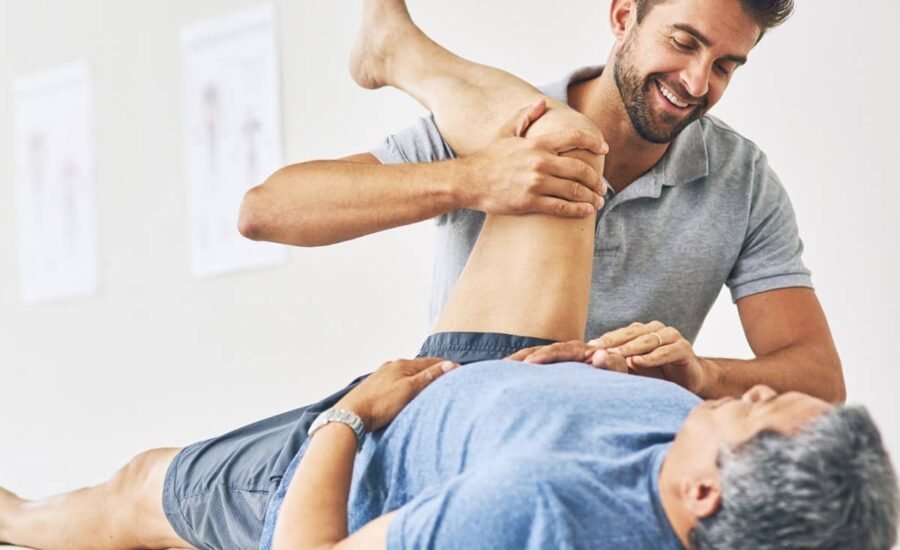
Effective management of arthritis depends on the type and severity of the condition. At DMPhysios, we use a multidisciplinary approach that includes:
Osteoarthritis:
- NSAIDs (e.g., ibuprofen)
- Joint-supporting supplements (glucosamine, chondroitin)
- Intra-articular injections (corticosteroids, hyaluronic acid)
- Use of assistive devices and proper footwear
Rheumatoid Arthritis:
- NSAIDs and corticosteroids
- DMARDs like Methotrexate
- Ice packs and regular check-ups
Gout:
- NSAIDs, colchicine
- Uric acid-lowering drugs (Allopurinol, Febuxostat)
- Lifestyle and dietary changes
Septic Arthritis:
- Immediate antibiotic/antiviral treatment
- Surgical drainage of the infected joint
- IV therapy and rest
Ankylosing Spondylitis:
- NSAIDs (Indomethacin), steroids
- Targeted exercises for spinal mobility
Psoriatic Arthritis:
- DMARDs, TNF inhibitors
- Joint care with skin-friendly therapies
Physiotherapy Treatment
At DMPhysios, physiotherapy is the cornerstone of arthritis management. We design condition-specific programs for long-term joint preservation and function enhancement. Each plan combines pain-relief techniques, movement retraining, and strengthening.
For Osteoarthritis:
- Muscle Strengthening: Focused strengthening of the quadriceps, hamstrings, gluteal, and calf muscles to reduce joint stress.
- Weight Management Advice: Reducing load on joints through supervised physical activity and nutritional counseling.
- Manual Therapy: Soft tissue release, joint mobilizations, and myofascial techniques for pain relief and improved mobility.
- Low-Impact Cardio: Stationary cycling, aquatic therapy, and elliptical routines.
- Corrective Exercise Training: Emphasis on biomechanics and alignment to prevent further degeneration.
- Electrotherapy: Ultrasound and TENS for inflammation and pain control.
For Rheumatoid Arthritis:
- Phase-Wise Rehab: In flare-ups, gentle ROM and joint protection; during remission, progressive strengthening.
- Joint Protection Techniques: Use of splints, orthotics, and adaptive tools to reduce joint stress.
- Energy Conservation: Training patients in pacing, task modification, and ergonomic strategies.
- Hydrotherapy: A warm water environment for low-impact movement without joint stress.
- Functional Retraining: Focusing on ADLs (activities of daily living) to preserve independence.
For Gout:
- Acute Phase Rest: Absolute joint rest during active inflammation.
- Progressive Mobilization: Gradual ROM and weight-bearing activities post-attack.
- Footwear & Gait Training: Ensuring proper footwear to support affected joints and prevent relapses.
- Nutritional Counseling: Coordinated dietary support to manage uric acid levels.
For Ankylosing Spondylitis:
- Posture Training: Emphasis on thoracic extension, lumbar alignment, and avoiding kyphotic postures.
- Spinal Mobility Work: Guided spinal rotations, extensions, and global mobility drills.
- Breathing Exercises: Chest expansion and diaphragmatic breathing to preserve lung capacity.
- Stretching Routines: Daily stretches for the spine, hips, and hamstrings.
- Endurance Building: Safe cardiovascular training to maintain whole-body health.
For Psoriatic Arthritis:
- Pain Management: Careful use of modalities avoiding direct application on psoriatic skin lesions.
- ROM Maintenance: Gentle joint movements to prevent contractures.
- Balance Training: Improving proprioception and stability through balance boards, foam pads, and guided drills.
- Nail and Skin Consideration: Protective taping and soft-material supports to reduce friction.
- Hand Therapy: For involvement of fingers, tailored grip strengthening and coordination training.
For Septic Arthritis (Post-Treatment):
- Progressive Recovery Program: Initiating with passive movements, advancing to active-assistive and then active exercises.
- Scar Management: Soft tissue work around surgical or drainage areas.
- Reconditioning Exercises: Gradual reintroduction of strength and function.
- Contracture Prevention: Focused stretching and splinting as required.
- Mobility Aid Training: Use of walkers or crutches initially, progressing to independent walking.
Home Exercise Programs and Education
DMPhysios emphasizes patient education as a key to long-term success. We provide:
- Customized home exercise routines
- Joint protection workshops
- Ergonomic counseling for workplace and daily habits
- Family training for assisted care and support
Prevention of Arthritis
While some types of arthritis cannot be prevented, certain steps can reduce the risk or delay the onset:
- Maintain a healthy BMI
- Stay physically active with joint-safe exercises
- Use proper lifting and bending techniques
- Avoid prolonged inactivity or repetitive joint stress
- Eat an anti-inflammatory diet
- Prevent injuries through proper warm-ups and equipment
- Regular screening and early intervention for high-risk individuals
Conclusion
Arthritis is a complex yet manageable condition when addressed through a comprehensive approach. At DMPhysios, we focus on not just relieving your symptoms but rebuilding your strength and independence. Our team of experienced therapists tailors every session based on your condition, pain level, and personal goals. Whether it’s osteoarthritis, rheumatoid arthritis, or any other type, we’re here to help you move better, live healthier, and regain control of your life.
Don’t let arthritis hold you back. Reach out to DMPhysios today and take your first step toward a pain-free, active future.