Overview
Scapular dyskinesis is a term used to describe any abnormal motion, rhythm, or position of the scapula during shoulder movement. In simpler terms, it means that the shoulder blade isn’t moving the way it should. This deviation from normal scapular mechanics can have widespread consequences—ranging from shoulder pain and poor posture to limited athletic performance and secondary injuries like rotator cuff tears or shoulder impingement.
The shoulder is one of the most complex and mobile joints in the human body. For this mobility to function smoothly, various components—muscles, bones, ligaments, and nerves—must work in synchrony. One of the key players in this orchestration is the scapula, commonly known as the shoulder blade. It plays a crucial role in stabilizing and supporting arm movements.
At DMPhysios, a highly regarded physiotherapy clinic located in Noida, we frequently see patients struggling with scapular dyskinesis, especially athletes, office workers, and individuals recovering from shoulder injuries. Our expert physiotherapists are trained in detailed movement analysis and evidence-based rehab strategies to help patients restore optimal shoulder blade movement through a patient-centered rehabilitation approach.
Symptoms of Scapular Dyskinesis
Scapular dyskinesis often presents subtly, and many patients aren’t even aware of the condition until it significantly interferes with their daily life or athletic performance. Some common symptoms that may suggest abnormal scapular movement include:
- A sensation of shoulder instability, especially during lifting or overhead activities
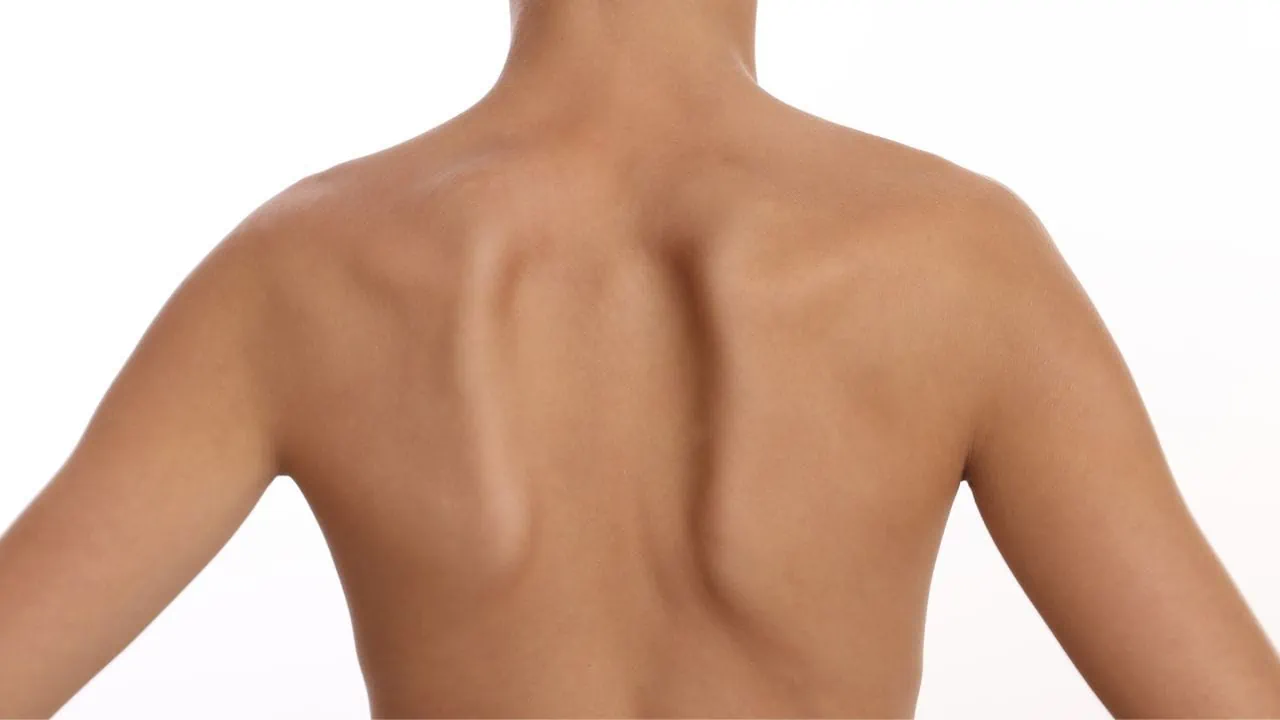
- Visible winging or protrusion of the shoulder blade from the back
- Clicking, popping, or grinding sounds while moving the shoulder
- Pain around the shoulder blade, upper back, or neck
- Muscle fatigue or tightness in the upper trapezius or shoulder muscles
- Decreased range of motion, particularly in overhead movements
- Poor posture, often with rounded shoulders and forward head position
- Reduced strength in pushing or pulling activities
Many times, scapular dyskinesis is not the primary issue but a compensatory movement pattern resulting from weakness, stiffness, or injury elsewhere in the shoulder complex. This is why a thorough clinical assessment, like the ones provided at DMPhysios, is essential for accurate diagnosis and effective treatment planning.
Types of Scapular Dyskinesis
Scapular dyskinesis can be categorized into specific types depending on the pattern of abnormal movement. Recognizing these types helps clinicians customize treatment strategies.
Type I – Inferomedial Border Prominence
In this type, the lower angle of the scapula protrudes outward, typically due to a weak lower trapezius or serratus anterior muscle. This type is often seen in individuals recovering from shoulder injuries or those with long thoracic nerve dysfunction.
Type II – Entire Medial Border Prominence
The whole inner edge of the scapula lifts away from the rib cage, giving it a wing-like appearance. This suggests imbalance or inhibition of the rhomboid and middle trapezius muscles.
Type III – Superior Border Elevation
The top part of the scapula becomes elevated and moves excessively upward during arm motion. This type is linked to overactivity of the upper trapezius and underactivity of stabilizers like the lower trapezius.
Type IV – Symmetrical Motion (Normal)
This is the benchmark type where both scapulae move symmetrically and maintain contact with the rib cage throughout arm elevation. Deviation from this pattern indicates potential dyskinesia.
Causes of Scapular Dyskinesis
The development of scapular dyskinesis can be multifactorial. It may arise as a direct result of injury, chronic poor posture, muscle imbalance, or nerve involvement. Below are the common causes:
- Muscle Weakness or Imbalance: Weakness in the serratus anterior, lower trapezius, or rhomboids can allow the scapula to move abnormally.
- Tightness or Overactivity: Overuse of muscles like the pectoralis minor or upper trapezius can alter scapular alignment.
- Postural Deficits: Slouched posture with forward head and rounded shoulders can place the scapula in a dysfunctional position.
- Previous Shoulder Injury: Rotator cuff tears, labral injuries, or dislocations can affect scapular movement patterns.
- Nerve Injuries: Damage to nerves such as the long thoracic nerve can paralyze important scapular muscles.
- Repetitive Strain: Sports or jobs involving repetitive overhead movements, such as swimming, volleyball, or painting, can predispose individuals to scapular dyskinesis.
- Lack of Core Stability: Poor trunk control can influence scapular positioning during dynamic tasks.
At DMPhysios, we examine each of these potential causes during your assessment. Our detailed movement evaluations and functional strength testing allow us to pinpoint the exact cause of your scapular dysfunction.
Risk Factors
Certain individuals are more likely to develop scapular dyskinesis due to their lifestyle, occupation, or medical history. Common risk factors include:
- Participation in sports requiring overhead motions (e.g., swimming, tennis, badminton)
- Occupations involving repetitive shoulder use (e.g., painters, construction workers)
- Sedentary work with prolonged sitting and poor ergonomics
- Prior history of shoulder surgery or trauma
- Muscle imbalances from unbalanced training (e.g., chest-heavy gym routines)
- Poor posture from screen time and phone use
As a clinic deeply involved in sports injury prevention and spinal rehabilitation, DMPhysios in Noida routinely educates clients on risk factor management to stop scapular dyskinesis before it starts.
General Treatment Approaches
Initial treatment for scapular dyskinesis often involves a combination of rest, modification of daily activities, and non-surgical interventions. Some general strategies include:
- Activity Modification: Reducing or altering activities that aggravate the condition.
- Pain Management: Use of heat, ice, and sometimes medications like NSAIDs.
- Postural Correction: Ergonomic corrections and posture retraining.
- Stretching Tight Muscles: Particularly the pectorals, upper trapezius, and levator scapulae.
- Strengthening Weak Muscles: Focusing on the scapular stabilizers.
However, lasting improvement can only be achieved through a structured and individualized physiotherapy program—something that DMPhysios excels at.
Physiotherapy Treatment at DMPhysios
DMPhysios, based in Noida, takes pride in offering detailed, evidence-based, and goal-oriented physiotherapy for scapular dyskinesis. Our team of trained professionals designs rehab programs tailored to the individual’s specific type of dyskinesis, root cause, and physical demands.
Here’s how we approach rehabilitation:
1. Comprehensive Assessment
- Observation of scapular motion through video and mirror feedback
- Manual muscle testing and strength grading
- Posture and ergonomic screening
- Functional movement screening and pain mapping
2. Pain Relief and Manual Therapy
- Myofascial release to loosen tight muscle groups
- Joint mobilization for thoracic spine and scapulothoracic articulation
- Dry needling or cupping (if needed) for muscular trigger points
3. Activation of Inhibited Muscles
- Serratus Anterior Exercises: Wall slides, plus push-ups, and dynamic hugs
- Lower and Middle Trapezius: Prone I, T, Y exercises, retractions with bands
- Neuromuscular Re-education: Using tactile cues and feedback tools
4. Postural Retraining and Ergonomics
- Chin tucks and thoracic extension drills
- Desk setup adjustments for working professionals
- Real-time posture correction with mirror feedback
5. Strength Progression
- Resistance training using TheraBands and dumbbells
- Closed chain exercises for functional control (e.g., wall push-ups, weight shifts)
- Gradual return to sport-specific movements
6. Proprioceptive and Functional Training
- Balance training to improve kinetic chain coordination
- Plyometric drills (for athletes) once scapular control is restored
- Return-to-play protocols for overhead athletes
Each treatment program at DMPhysios evolves week by week, depending on patient progress. The goal is not just pain relief, but complete functional restoration and performance optimization.
Prevention of Scapular Dyskinesis
While treatment is crucial, prevention plays an even bigger role—especially for athletes and professionals who place continuous stress on their shoulders.
Here are some key strategies recommended by DMPhysios:
- Strengthen the Upper Back: Regularly train the trapezius, rhomboids, and rotator cuff muscles.
- Stretch the Anterior Chain: Open up tight pectorals and deltoids that pull the shoulder forward.
- Maintain Good Posture: Especially during work and screen time.
- Include Scapular Control Drills in Warm-Ups: Wall slides, scapular push-ups, etc.
- Avoid Overuse: Respect fatigue and schedule recovery days.
- Seek Early Intervention: Don’t ignore clicking, discomfort, or poor range of motion.
Preventive physiotherapy and ergonomic counseling at DMPhysios are ideal for those who are symptom-free but want to stay that way.
Conclusion
Scapular dyskinesis is more than just an abnormal shoulder blade movement—it’s a mechanical disruption that can affect your posture, performance, and overall musculoskeletal health. Whether you’re an athlete, a working professional, or someone recovering from injury, this condition demands proper evaluation and targeted treatment.
At DMPhysios, a leading physiotherapy center in Noida focusing on spine and sports injuries, we are committed to helping patients regain full, pain-free shoulder function. Our customized rehabilitation programs, hands-on therapies, and patient education ensure lasting recovery and a reduced chance of recurrence.
If you’re experiencing signs of scapular dyskinesis—like shoulder pain, winging, or reduced range of motion—book an appointment with DMPhysios today. Let our expert team guide you through a journey of recovery that puts you first.