Overview
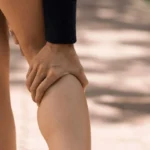
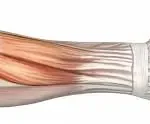
Compartment syndrome is a potentially serious and sometimes limb-threatening medical condition that develops when excessive pressure builds up within one of the body’s muscle compartments. These compartments are confined spaces within the limbs that contain groups of muscles, along with associated nerves and blood vessels, all enclosed by a tough, non-expandable layer of connective tissue known as fascia.
Under normal conditions, this anatomical structure maintains a stable internal environment. However, when swelling, inflammation, or bleeding occurs within the compartment—often due to injury or overuse—the pressure inside can rise significantly. This abnormal rise in pressure compromises the blood flow to the affected muscles and nerves, which can lead to tissue ischemia (inadequate oxygen supply) and, if left untreated, irreversible damage. As the pressure continues to increase, it may cut off circulation entirely, impairing tissue viability and nerve function. This is why early detection and prompt treatment of compartment syndrome are crucial.
There are two primary forms of compartment syndrome: acute and chronic (also referred to as exertional compartment syndrome). Acute compartment syndrome is usually triggered by trauma, such as fractures, crush injuries, or surgical complications. It progresses rapidly and constitutes a medical emergency that often requires urgent surgical intervention, most commonly a procedure known as fasciotomy. If not treated promptly, acute compartment syndrome can result in lasting muscle damage, nerve dysfunction, and, in severe cases, loss of the affected limb.
In contrast, chronic compartment syndrome usually emerges over time due to repetitive strain or overuse from physical activity. It is more commonly observed in athletes—especially runners, cyclists, and individuals engaged in high-impact sports. Unlike the acute form, chronic compartment syndrome is not a surgical emergency but can significantly affect performance and quality of life if not addressed properly.
At DMPhysios, a highly regarded physiotherapy clinic located in Noida and known for its specialization in spine and sports conditions, we offer a comprehensive, patient-centered approach to the management of both acute and chronic forms of compartment syndrome. Our treatment philosophy combines the latest evidence-based techniques with personalized rehabilitation programs, ensuring that each patient receives care that is tailored to their specific needs, goals, and lifestyle.
Symptoms
Identifying the signs of compartment syndrome early is essential for prompt diagnosis and effective treatment. The classic symptoms include:
- Severe pain that is out of proportion to the injury and worsens with muscle stretching
- Tingling or burning sensations (paresthesia)
- Tense or firm muscle compartments
- Noticeable swelling or a visible bulge in the affected region
- Numbness or weakness in the limb
- Reduced pulse in severe cases (though this is not always present)
In acute compartment syndrome, these symptoms develop rapidly, often within hours of an injury, and they worsen quickly. Chronic compartment syndrome, on the other hand, presents with muscle tightness, cramping, and aching during physical activity, which typically subsides with rest.
Types of Compartment Syndrome
Compartment syndrome can be classified into two main types—Acute Compartment Syndrome (ACS) and Chronic (Exertional) Compartment Syndrome (CCS or ECS). While both involve increased pressure within a muscle compartment, they differ significantly in their causes, clinical presentation, urgency, and management strategies.
1. Acute Compartment Syndrome (ACS)
Acute compartment syndrome develops suddenly and is most often associated with traumatic injuries. It is a medical emergency that demands immediate intervention to prevent irreversible damage to muscles, nerves, and blood vessels. The pressure within the compartment rises so rapidly that it impairs circulation and tissue oxygenation, leading to cell death if not relieved promptly.
Common Causes of Acute Compartment Syndrome:
- Fractures (especially of long bones like the tibia or forearm)
- Crush injuries from accidents or heavy objects
- Severe contusions or blunt force trauma
- Reperfusion injuries following prolonged ischemia or vascular surgery
- Tight casts or bandages that limit circulation
- Burns that cause circumferential constriction
Patients typically report intense, escalating pain that is out of proportion to the injury, particularly with passive stretching of the involved muscles. Other signs include swelling, firmness of the affected limb, paresthesia (tingling), pallor, and eventually, loss of function if not treated urgently.
Surgical intervention via fasciotomy—a procedure in which the fascia is cut open to relieve pressure—is often the only effective treatment. Delay in treatment can lead to permanent disability, muscle necrosis, or even limb amputation.
2. Chronic (Exertional) Compartment Syndrome (CCS/ECS)
Chronic compartment syndrome, also known as exertional compartment syndrome, is a less acute but still impactful condition that typically affects athletes and physically active individuals. Unlike its acute counterpart, this form of compartment syndrome develops gradually over time due to repetitive stress and overuse of specific muscle groups, most commonly in the lower legs or forearms.
Common Triggers of Chronic Compartment Syndrome:
- Running, especially on hard surfaces
- Cycling or swimming with high-intensity training
- Repetitive upper limb activities, such as in rowers or climbers
- Improper biomechanics or poor footwear
Symptoms are activity-related and usually start with aching, burning, or cramping pain during exercise. The pain typically subsides with rest, which differentiates it from other causes of musculoskeletal pain. Patients may also experience numbness, tingling, and a feeling of tightness or fullness in the muscle. In many cases, the symptoms return at the same point during a workout, making it predictable and frustrating for the individual.
Though not immediately dangerous, chronic compartment syndrome can significantly impair athletic performance and quality of life. Diagnosis may include measuring intracompartmental pressure, both at rest and following physical activity. Treatment begins with conservative physiotherapy, including activity modification, biomechanical correction, and strengthening. If symptoms persist, elective fasciotomy may be considered.
At DMPhysios, a leading physiotherapy center in Noida for spine and sports-related conditions, we commonly treat both types of compartment syndrome using tailored rehabilitation programs. Our patient-centered approach helps individuals return to full function, reduce recurrence, and prevent long-term complications.
At DMPhysios, we frequently manage both types, tailoring our rehabilitation plans to the type and severity of the compartment syndrome.
Causes
The underlying cause of compartment syndrome is increased pressure within a muscle compartment. However, what triggers this pressure differs between the acute and chronic forms.
Common Causes Include:
- Fractures (especially long bones like the tibia)
- Crush injuries
- Burns, leading to tight eschar that constricts the limb
- Prolonged limb compression, e.g., from tight casts or bandages
- Intense physical exertion
- Hemorrhage or bleeding disorders
- Revascularization procedures where blood returns to previously ischemic limbs
Understanding the cause helps guide both medical and physiotherapy management, something the experienced clinicians at DMPhysios prioritize.
Risk Factors
Certain individuals are more predisposed to developing compartment syndrome, especially under specific circumstances.
Risk Factors Include:
- High-impact sports (e.g., football, track and field, basketball)
- Trauma patients
- People with bleeding disorders or on anticoagulants
- Bodybuilders or those engaging in excessive resistance training
- Improperly applied casts or dressings
- Surgical patients, particularly involving vascular procedures
Athletes are especially prone to chronic forms, and managing these cases requires a multidisciplinary approach, such as the one offered at DMPhysios.
Treatment
Acute Compartment Syndrome:
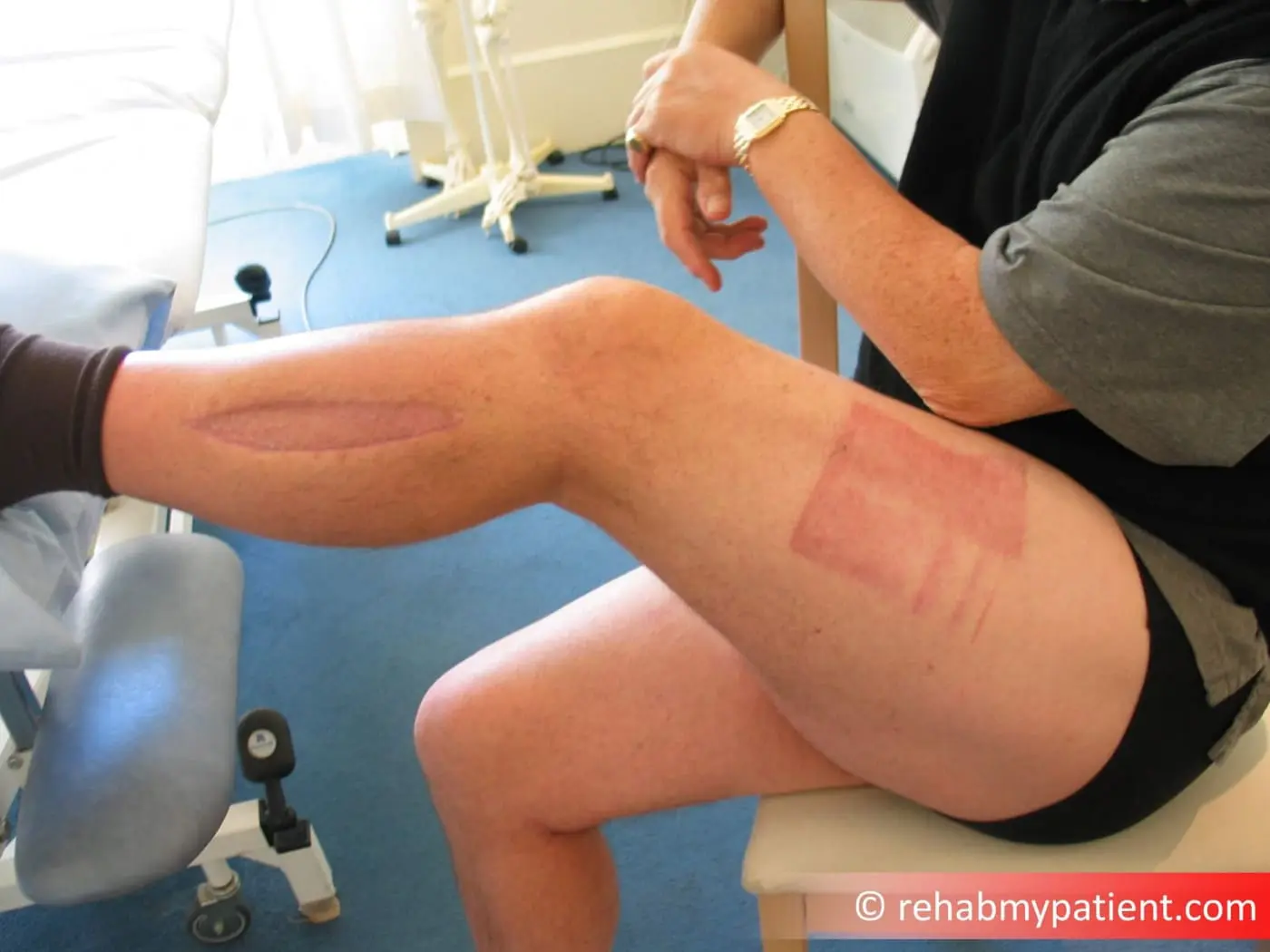
Immediate intervention is critical in acute cases. The gold standard treatment is a fasciotomy, a surgical procedure that relieves pressure by cutting the fascia enclosing the muscle compartment.
Failure to treat acute compartment syndrome in time can result in permanent tissue damage, contractures, and even limb amputation.
Chronic Compartment Syndrome:
In chronic cases, conservative management is the first line of treatment. It includes:
- Activity modification
- Rest and icing
- Non-steroidal anti-inflammatory drugs (NSAIDs)
- Stretching and strengthening programs
- Biomechanical corrections, such as changing running techniques or footwear
Surgical options such as elective fasciotomy are considered in persistent cases unresponsive to conservative management.
Physiotherapy Treatment
At DMPhysios, our physiotherapy approach to compartment syndrome—especially the chronic exertional type—is centered on functional recovery, pain reduction, and return to sport or activity.
1. Detailed Assessment
We begin with a thorough evaluation including:
- Muscle strength testing
- Gait analysis
- Flexibility and mobility assessments
- Footwear and biomechanical assessments
2. Activity Modification
Initially, patients are advised to avoid the aggravating activity. Our therapists educate patients on pacing strategies and how to gradually reintroduce activity using the graded exposure model.
3. Manual Therapy
Hands-on techniques like myofascial release and soft tissue mobilization are used to:
- Improve blood flow
- Decrease fascial tightness
- Reduce tension within the muscle compartment
4. Stretching and Mobility
Key muscle groups, particularly in the lower leg or forearm (depending on the affected compartment), are targeted through:
- Static and dynamic stretching
- Foam rolling
- Active mobility drills
5. Strengthening Exercises
A progressive resistance training program is initiated once symptoms reduce:
- Focus on eccentric control and endurance
- Emphasis on lower limb strength for runners
- Gradual return to sport-specific training
6. Gait Retraining and Biomechanical Correction
Poor mechanics can contribute to chronic compartment syndrome, especially in runners. Our team at DMPhysios uses video gait analysis to detect:
- Over-striding
- Heel striking
- Poor pelvic control
Correction strategies may include:
- Adjusting cadence
- Transitioning to midfoot strike
- Orthotic consultation if necessary
7. Return-to-Activity Program
We implement a structured plan for gradual reintroduction to sport or occupational activities:
- Walk-run programs
- Cross-training alternatives (e.g., cycling or swimming initially)
- Monitoring symptoms using pain and exertion scales
This patient-specific plan ensures that individuals not only recover but excel in their functional goals—a core philosophy at DMPhysios.
Prevention
Preventing compartment syndrome involves awareness and proactive management of risk factors:
For Acute Cases:
- Prompt treatment of injuries, especially fractures
- Avoiding tight casts or bandages
- Monitoring at-risk patients (e.g., those with bleeding disorders)
For Chronic Cases:
- Proper warm-up and cool-down routines
- Adequate rest between training sessions
- Periodic assessment of biomechanics and running form
- Wearing appropriate, well-fitted footwear
- Strength and flexibility training of relevant muscle groups
Athletes undergoing regular assessments and personalized training plans at DMPhysios report significantly fewer recurrences of compartment syndrome and related injuries.
Conclusion
Compartment syndrome is a condition that can drastically impair function if not identified and treated early. Whether it’s the life-threatening acute form or the performance-limiting chronic variant, prompt diagnosis and comprehensive treatment are crucial.
At DMPhysios, located in Noida and renowned for our expertise in spine and sports conditions, we are committed to delivering patient-centered rehabilitation. Our multidisciplinary approach ensures that individuals with compartment syndrome receive not just treatment, but education, prevention strategies, and long-term support. If you or someone you know is struggling with persistent leg or arm pain that worsens with activity, don’t ignore the signs. Book a consultation with DMPhysios today—your recovery starts with the right care.