Overview
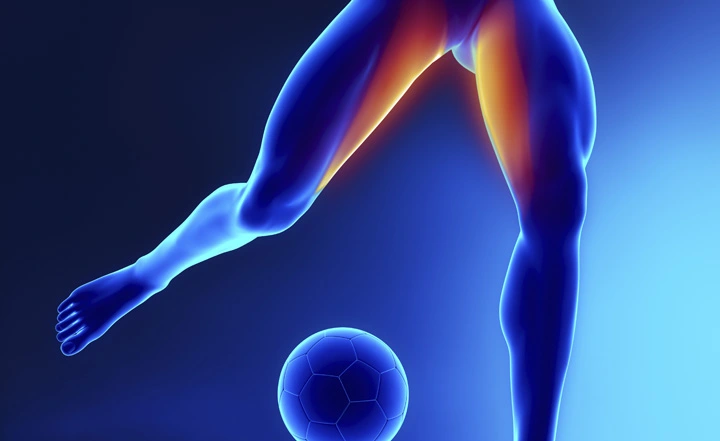
A sports hernia, also known as athletic pubalgia, is a painful soft tissue injury that occurs in the groin or lower abdominal region, typically affecting athletes involved in sports requiring explosive movements, sudden directional changes, twisting, and turning—such as football, hockey, soccer, rugby, and tennis. Despite its name, a sports hernia is not a true hernia in the classical sense, as it does not involve a visible bulge or protrusion of abdominal contents. Instead, it refers to a strain or tear in the muscles, tendons, or ligaments that stabilize the lower abdominal wall and pelvis, often near the pubic symphysis.
This condition is frequently misunderstood and misdiagnosed due to its subtle clinical presentation. Symptoms often mimic other injuries like adductor strains, inguinal hernias, or hip pathologies, leading to delayed or incorrect treatment. Athletes may experience persistent groin pain that worsens with physical activity and improves with rest, only to recur upon resumption of sport.
At DMPhysios, a specialized physiotherapy clinic in Noida focused on spine and sports conditions with patient-centered rehabilitation, we often see cases where athletes have struggled with groin pain for weeks or months without a clear diagnosis. Through detailed clinical examination, functional assessments, and targeted imaging, our team ensures that sports hernia is accurately identified and effectively managed.
When left unaddressed, sports hernia can lead to chronic pain, reduced performance, and eventually necessitate surgical intervention. That’s why early diagnosis and expert physiotherapy-led rehabilitation are essential. At DMPhysios, our integrated approach combines manual therapy, movement correction, strength training, and return-to-sport planning to restore full function and prevent recurrence. Our goal is not just to treat the symptoms, but to rebuild resilience and optimize performance for long-term success.
In the following sections, we’ll dive deeper into the symptoms, causes, treatment options, and physiotherapy protocols for sports hernia, and how DMPhysios’ evidence-based practices are helping athletes across Noida recover faster and perform better.
Symptoms of Sports Hernia
The symptoms of a sports hernia may be subtle initially but tend to become more prominent over time. Athletes may continue playing through mild discomfort until the condition worsens.
Common symptoms include:
- Deep, aching groin pain that increases during physical activity
- Pain during sudden movements such as sprinting, kicking, twisting, or turning
- Discomfort while coughing or sneezing
- Stiffness or weakness in the lower abdomen or inner thigh
- Tenderness over the pubic tubercle or inguinal canal
- Pain that improves with rest but returns upon resumption of activity
Because sports hernia symptoms often mimic other groin injuries, such as adductor strain or hip labral tears, professional assessment is essential. At DMPhysios, our specialists use a combination of clinical evaluation, imaging, and functional movement analysis to ensure an accurate diagnosis.
Types of Sports Hernia
Although not formally categorized into distinct “types,” sports hernias can be classified based on the primary anatomical structures involved. Understanding the affected tissues can help guide treatment:
- Rectus Abdominis Tendinopathy – Involves the lower abdominal muscles inserting into the pubis.
- Adductor Tendinopathy – Involves strain or tear in the adductor longus or other inner thigh muscles.
- Conjoint Tendon Disruption – Affects the union of internal oblique and transversus abdominis tendons.
- Inguinal Canal Disruption – May involve the posterior wall of the inguinal canal without a true herniation.
Multiple structures are often involved simultaneously, which is why the term “sports hernia” is often considered a syndrome rather than a single pathology.
Causes of Sports Hernia
A sports hernia typically results from repetitive or forceful twisting and turning movements of the pelvis and lower trunk. These movements create shearing forces between the abdominal muscles and adductor muscles, leading to microscopic or full-thickness tears.
Key causes include:
- Repetitive twisting or cutting motions (common in soccer, rugby, cricket)
- Sudden changes in direction
- Overuse or inadequate recovery periods
- Muscle imbalances or core weakness
- Poor biomechanics and postural misalignments
At DMPhysios, our team emphasizes biomechanical analysis to identify movement patterns that predispose athletes to sports hernia and provide corrective strategies to avoid recurrence.
Risk Factors
Several risk factors increase the likelihood of developing a sports hernia:
- Male athletes, especially those aged 20–40
- Participation in high-intensity sports (football, wrestling, sprinting, etc.)
- Pre-existing core muscle weakness
- Reduced hip internal rotation or tight hip flexors
- Poor lumbopelvic control or posture
- Inadequate warm-up or lack of conditioning
Early recognition of these risk factors can help mitigate the progression of a sports hernia. DMPhysios excels at screening for these issues and creating personalized training programs to address them.
Diagnosis
Because sports hernia lacks an obvious bulge and overlaps with many other groin-related injuries, diagnosis requires a thorough evaluation:
- Clinical examination – to test abdominal and adductor integrity, pain reproduction during resisted motions
- MRI – the gold standard for detecting soft tissue tears and inflammation
- Ultrasound – useful for dynamic assessment and ruling out true hernias
At DMPhysios, we employ a combination of imaging and movement screening to distinguish sports hernia from conditions such as adductor strain, osteitis pubis, or femoroacetabular impingement.
Treatment Options for Sports Hernia
Treatment for a sports hernia depends on the severity and duration of symptoms. Both conservative management and surgical options are available.
1. Conservative (Non-Surgical) Treatment
Most cases respond well to a structured rehabilitation program that targets the underlying deficits.
- Rest and activity modification to allow healing
- NSAIDs for pain and inflammation
- Manual therapy to address joint restrictions and muscle tightness
- Core stabilization exercises
- Adductor strengthening once pain subsides
At DMPhysios, we offer a multi-disciplinary approach to conservative treatment, ensuring the patient receives manual therapy, strength training, and functional retraining all under one roof.
2. Surgical Treatment
Surgery is considered when:
- Pain persists despite 6–12 weeks of physiotherapy
- There’s significant tendon or fascial tearing
- The athlete cannot return to sport
Surgical procedures may include:
- Repair of the rectus abdominis or adductor origin
- Reinforcement of the posterior inguinal wall (e.g., with mesh)
- Laparoscopic hernia repair
Post-surgery rehabilitation is critical, and DMPhysios provides comprehensive post-op care to ensure full return to sport.
Physiotherapy Treatment
Rehabilitation plays a central role in managing a sports hernia, whether through conservative treatment or after surgery. A well-structured physiotherapy program focuses on restoring core strength, pelvic control, and functional movement patterns.
Phase 1: Pain Relief and Protection
- Relative rest
- Ice and anti-inflammatory modalities
- Isometric abdominal and adductor activation
- Gentle mobility work (hip circles, pelvic tilts)
Phase 2: Core and Pelvic Stability
- Transverse abdominis and multifidus activation
- Pelvic floor strengthening
- Dead bugs, bird-dogs, side planks
- Controlled adductor engagement with ball squeezes
Phase 3: Strengthening and Integration
- Progress to dynamic core work: planks with leg lifts, resisted cable rotations
- Lateral band walks for glute medius activation
- Functional hip strengthening: step-ups, single-leg squats
- Controlled agility drills
Phase 4: Sports-Specific Training
- Agility ladders, cone drills
- Sprinting mechanics retraining
- Plyometrics
- Return-to-sport testing and gradual re-entry into sport
At DMPhysios, every rehabilitation program is customized based on individual biomechanics and sport-specific demands. Our state-of-the-art clinic in Noida incorporates movement labs and manual therapy to enhance outcomes.
Prevention of Sports Hernia
Preventing sports hernia involves proactive strategies focused on mobility, strength, and biomechanics:
- Dynamic warm-up before games and training
- Regular core strengthening and mobility work
- Correction of muscle imbalances (especially between the adductors and abdominal muscles)
- Regular physiotherapy screening for postural or functional deficits
- Use of sport-specific conditioning programs
DMPhysios advocates a prehabilitation model, where athletes undergo regular musculoskeletal assessments to identify and correct risk factors before an injury occurs.
Conclusion
Sports hernia is a complex and often misdiagnosed condition that can significantly impair athletic performance and quality of life. Early recognition, targeted treatment, and proper rehabilitation are essential for a full recovery. Whether you’re an elite athlete or a weekend warrior, understanding your body’s limits and weaknesses is crucial to long-term health and performance.
At DMPhysios, a premier clinic in Noida specializing in spine and sports conditions, our expert team is dedicated to providing patient-centered rehabilitation. We combine manual therapy, functional training, and modern diagnostics to deliver tailored care that addresses the root cause—not just the symptoms.
If you or someone you know is struggling with groin pain or symptoms suggestive of a sports hernia, don’t ignore it. Book an appointment with DMPhysios today and take the first step towards complete recovery and peak performance. DMPhysios | Noida’s Trusted Spine & Sports Physiotherapy Clinic
Your recovery is our mission. Your performance is our goal.