Overview
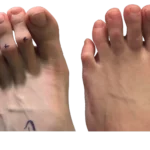
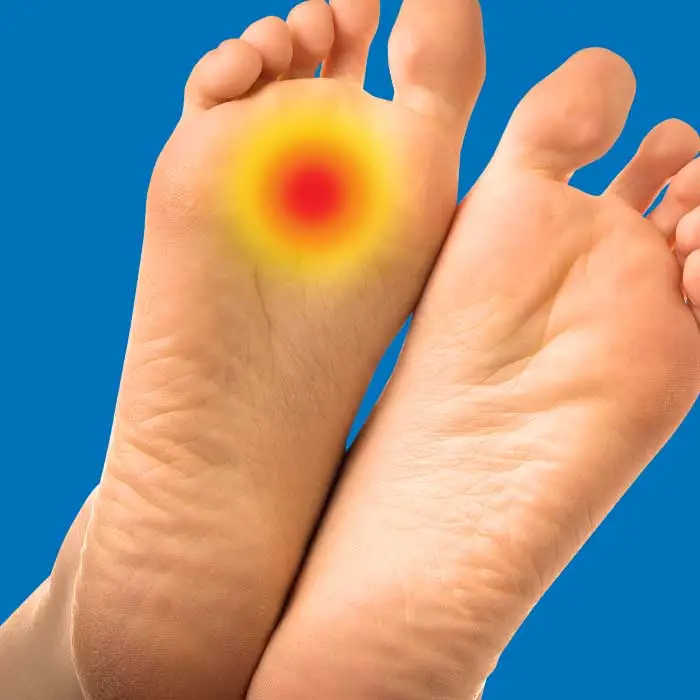
Metatarsalgia is a clinical condition marked by pain, inflammation, and sometimes numbness or tingling in the ball of the foot, especially in the area surrounding the metatarsal heads—the rounded ends of the five long bones that bridge the toes to the midfoot.
These metatarsal bones are vital for weight distribution and shock absorption during walking, running, and standing. When excess stress, faulty biomechanics, or anatomical misalignment alters the load across these bones, it results in irritation of the surrounding soft tissues, nerves, and joints, leading to the development of Metatarsalgia.
Patients often describe the discomfort as a sharp, aching, or burning pain, with sensations that mimic “walking on pebbles” or a bruised feeling under the forefoot. While the symptoms can vary in intensity, they frequently worsen with prolonged standing, high-impact activities, or walking barefoot on hard surfaces.
Notably, Metatarsalgia is not a disease in itself but rather a manifestation of underlying structural or functional abnormalities in the foot, making accurate diagnosis and tailored intervention crucial for recovery.
At DMPhysios, a state-of-the-art physiotherapy and rehabilitation clinic located in Noida, we specialize in identifying and treating such musculoskeletal conditions.
As experts in spine and sports injury rehabilitation, our team often treats individuals from a wide spectrum—from elite athletes and recreational runners to professionals with sedentary lifestyles—all presenting with various forms of forefoot pain associated with Metatarsalgia.
In many cases, poor footwear choices, repetitive overuse, loss of fat padding in the foot due to aging, or improper alignment during movement contribute to the condition.
Our clinical approach at DMPhysios centers on a comprehensive, patient-centered rehabilitation model that focuses on not only relieving pain but also addressing the root biomechanical dysfunctions causing the stress on the metatarsals. We believe that early diagnosis, guided rehabilitation, and structured return-to-activity protocols can dramatically improve outcomes and prevent recurrence.
In summary, Metatarsalgia may seem like a minor foot problem at first glance, but if left untreated, it can significantly hinder mobility, impact athletic performance, and reduce the overall quality of life. At DMPhysios, we are committed to restoring function and relieving discomfort with customized, evidence-based strategies tailored to the unique needs of each patient.
Symptoms of Metatarsalgia
The hallmark symptoms of Metatarsalgia include:
- Pain in the ball of the foot, particularly under the metatarsal heads
- A sharp, burning, or dull ache that intensifies during physical activity, particularly while walking or standing
- Tingling or numbness in the toes
- Increased discomfort when barefoot or walking on hard surfaces
- A feeling of a stone inside the shoe
- Development of calluses or hardened skin under the forefoot
These symptoms can range from mild to debilitating, affecting daily function and overall quality of life. At DMPhysios, our physiotherapists conduct a thorough evaluation to identify specific pain triggers and associated biomechanical imbalances.
Types of Metatarsalgia
Although Metatarsalgia is primarily identified by forefoot pain, it can be categorized based on its underlying cause. This classification helps guide more targeted and effective treatment. Broadly, Metatarsalgia is divided into three functional types:
1. Primary Metatarsalgia
This form results from intrinsic structural issues within the foot. Common causes include high arches, a long second metatarsal bone, or tight calf muscles, all of which can shift excess pressure onto the metatarsal heads during walking or running. These biomechanical imbalances lead to irritation and pain over time.
2. Secondary Metatarsalgia
Here, the condition is caused by external or systemic factors. Inflammatory conditions like rheumatoid arthritis, gout, or trauma such as stress fractures can change the load distribution in the forefoot. Inappropriate footwear—especially high heels or tight shoes—also contributes significantly to this type.
3. Iatrogenic Metatarsalgia
This type occurs as a complication from previous foot surgeries, especially procedures that alter bone length or structure. When the natural balance across the metatarsals is disrupted, it can result in overload on adjacent metatarsals, leading to pain.
At DMPhysios, we carefully assess the type of Metatarsalgia a patient presents with to ensure that rehabilitation is not only effective but also customized to the root cause of the condition.
Causes of Metatarsalgia
Several factors can lead to Metatarsalgia, either in isolation or combination:
- Biomechanical abnormalities (e.g., high arches, flat feet, long second metatarsal)
- Excessive pressure on the forefoot due to obesity or ill-fitting footwear
- Frequent stress or repeated impact, often seen in runners and athletic individuals
- Degenerative joint changes such as osteoarthritis
- Morton’s neuroma or other nerve entrapments in the foot
- Stress fractures in the metatarsal bones
- Diabetes and peripheral neuropathy
- Foot deformities like bunions or hammertoes
Early diagnosis and correction of causative factors play a pivotal role in treating Metatarsalgia. At DMPhysios, we use a blend of clinical assessment and advanced diagnostic tools to uncover these underlying contributors.
Risk Factors
Certain populations are more prone to developing Metatarsalgia, including:
- Runners and athletes, due to continuous impact on the front part of the foot
- People who wear high heels or narrow shoes
- Elderly individuals, as fat pads in the foot thin out with age
- Overweight individuals, due to increased pressure on the forefoot
- Patients with rheumatoid arthritis or gout
- People with foot deformities or previous foot surgeries
A personalized risk assessment at DMPhysios helps patients understand their vulnerabilities and empowers them with preventive strategies.
Treatment
Treatment for Metatarsalgia begins with conservative measures and may progress to more advanced options if necessary:
1. Rest and Activity Modification
Reducing high-impact activities like running or jumping allows inflamed tissues to heal.
2. Ice Therapy
Applying cold packs helps reduce inflammation and pain.
3. Footwear Modification
Switching to shoes with proper arch support, cushioned soles, and a wide toe box can significantly ease symptoms.
4. Orthotic Devices
Custom-made shoe inserts that redistribute pressure can relieve forefoot stress.
5. Medications
Nonsteroidal anti-inflammatory drugs (NSAIDs) like ibuprofen can help control pain and swelling.
6. Injections
Corticosteroid injections may be considered for severe or persistent cases, though used cautiously.
When conservative measures fall short, DMPhysios offers advanced rehabilitation and pain management modalities tailored to the severity and underlying causes of Metatarsalgia.
Physiotherapy Treatment
Physiotherapy plays a pivotal role in the successful management of Metatarsalgia, especially for long-term relief and recurrence prevention. At DMPhysios, we implement a multi-modal, patient-centered approach:
1. Biomechanical Assessment
We evaluate gait, posture, lower limb alignment, and foot pressure distribution to identify faulty mechanics contributing to Metatarsalgia.
2. Manual Therapy
- Soft tissue mobilization for plantar fascia and calf muscles
- Joint mobilizations of the ankle, midfoot, and metatarsals to improve mobility and reduce stiffness
3. Therapeutic Exercises
- Toe flexor strengthening: Towel curls, marble pickups
- Intrinsic foot muscle training: Short foot exercises to build arch support
- Ankle and calf stretching: Targeted stretching to improve foot biomechanics
- Balance and proprioception training: Wobble board, single-leg stance drills
4. Taping Techniques
Metatarsal padding and offloading taping methods to temporarily relieve pressure and pain.
5. Gait Training
Correction of abnormal gait patterns through cueing, orthotic guidance, and feedback techniques.
6. Electrotherapy and Modalities
- Ultrasound therapy to reduce inflammation
- TENS (Transcutaneous Electrical Nerve Stimulation) for pain relief
7. Patient Education
We empower patients with knowledge about:
- Footwear selection
- Activity modification
- Long-term self-care strategies
Our team at DMPhysios continuously monitors progress and updates the rehabilitation plan to match the patient’s recovery trajectory. Our holistic, evidence-based protocols are designed not only to treat pain but to prevent recurrence of Metatarsalgia.
Prevention of Metatarsalgia
Prevention strategies are crucial in managing recurrent or chronic Metatarsalgia. These include:
- Wearing appropriate footwear with cushioning, arch support, and a wide toe box
- Maintaining a healthy body weight to reduce pressure on the forefoot
- Avoiding prolonged standing or high-impact sports without proper conditioning
- Regular foot exercises to strengthen arch and toe muscles
- Using custom orthotics if biomechanical abnormalities exist
- Early management of foot deformities like bunions or hammertoes
Preventive physiotherapy at DMPhysios ensures that patients are not just pain-free but functionally stronger and more resilient against re-injury.
Conclusion
Metatarsalgia is a common yet often overlooked source of foot pain that can significantly impact mobility, athletic performance, and overall well-being. Whether caused by biomechanical flaws, improper footwear, or systemic conditions, early recognition and comprehensive treatment are essential.
At DMPhysios, a renowned physiotherapy clinic in Noida specializing in spine and sports rehabilitation, we are committed to delivering patient-centered care that goes beyond symptom management. Our team of experienced physiotherapists offers personalized, evidence-based treatment strategies for Metatarsalgia, ensuring lasting recovery and improved quality of life.
If you or someone you know is struggling with forefoot pain or suspect Metatarsalgia, don’t wait. Visit DMPhysios today for expert diagnosis, hands-on treatment, and a customized rehabilitation plan that restores your stride—one step at a time.
DMPhysios — Noida’s trusted destination for comprehensive spine and sports rehabilitation. Your recovery, redefined.