Overview
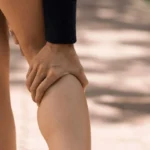
Chronic Exertional Compartment Syndrome (CECS) is a repetitive stress-related condition characterized by increased pressure within a muscle compartment during exercise, leading to pain, tightness, and impaired muscle function.
Unlike acute compartment syndrome—which is a surgical emergency caused by trauma—Chronic Exertional Compartment Syndrome develops gradually, typically in athletes and individuals who engage in repetitive, high-impact activities like running, cycling, or jumping.
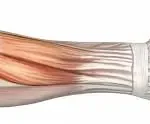
The human limbs contain muscle groups enclosed within compartments bounded by inflexible fascia. During physical exertion, muscles expand due to increased blood flow. In normal circumstances, the fascia allows for this expansion.
However, in individuals with CECS, the fascia is too rigid to accommodate the increased volume, resulting in excessive intra-compartmental pressure. This restricts blood flow and compresses nerves and muscles, causing pain and dysfunction.
CECS most commonly affects the lower legs, particularly the anterior (front) and deep posterior (back) compartments of the lower leg. It can also occur in the thighs and forearms, although less frequently.
At DMPhysios, a premier physiotherapy clinic in Noida, we frequently see cases of Chronic Exertional Compartment Syndrome in athletes and recreational runners, many of whom have been misdiagnosed or overlooked for years. Our team is committed to providing evidence-based, patient-centered care to ensure full recovery and a safe return to sport.
Symptoms of Chronic Exertional Compartment Syndrome
The symptoms of Chronic Exertional Compartment Syndrome are typically predictable, appearing after a specific duration or intensity of activity and subsiding with rest. Some of the most common signs include:
- Aching, burning, or cramping pain in the affected limb, usually after a fixed amount of exercise time or distance
- Tightness or fullness in the muscle during or after activity
- Numbness or tingling, especially in the foot (in lower leg CECS)
- Muscle weakness or foot drop in advanced cases
- Visible swelling or bulging of the muscle in some cases
- Symptom resolution shortly after rest, but recurring reliably with exercise
This reproducibility of symptoms—pain that occurs after the same duration or intensity of exertion—is a hallmark of Chronic Exertional Compartment Syndrome and helps differentiate it from conditions like shin splints or stress fractures.
Types of Chronic Exertional Compartment Syndrome
CECS is categorized based on the location of the affected muscle compartment. Commonly involved compartments include:
1. Anterior Compartment (Most Common)
- Muscles involved: Tibialis anterior, extensor digitorum longus
- Symptoms: Pain along the front of the shin, foot drop, numbness in the web of the first toe
2. Deep Posterior Compartment
- Muscles involved: Tibialis posterior, flexor digitorum longus
- Symptoms: Pain deep in the calf, numbness in the sole of the foot
3. Lateral Compartment
- Muscles involved: Peroneals
- Symptoms: Pain on the outer side of the lower leg
4. Superficial Posterior Compartment
- Muscles involved: Gastrocnemius and soleus
- Less commonly affected in CECS
5. Upper Limb Compartment (Rare)
- Found in rowers, climbers, or weightlifters affecting forearm compartments
Understanding the type and location of the compartment involved is essential for designing an appropriate treatment plan. At DMPhysios, we use a detailed assessment approach, including activity-based testing and clinical history, to accurately diagnose the affected compartments in Chronic Exertional Compartment Syndrome.
Causes of Chronic Exertional Compartment Syndrome
CECS does not usually occur due to a single traumatic event but rather develops over time due to chronic overload of specific muscle compartments. Common causes include:
- Repetitive physical activity, especially running or high-impact sports
- Overtraining without adequate recovery
- Poor running mechanics or altered gait patterns
- Inflexible fascia that cannot expand with muscle swelling
- Muscle hypertrophy (muscle growth) from strength training
- Tight footwear or orthotics increasing compartmental pressure
The underlying mechanism is an inability of the fascia to accommodate muscle expansion during exertion, leading to vascular and neural compression. This is why early identification is key to successful management, something we at DMPhysios in Noida prioritize through comprehensive musculoskeletal evaluations.
Risk Factors
Certain individuals are more susceptible to developing Chronic Exertional Compartment Syndrome:
- Young adults and teenagers, especially those involved in high-volume sports
- Long-distance runners
- Athletes in sports requiring repetitive leg or arm motion (e.g., soccer, field hockey, rowing, climbing)
- Those with muscle imbalances or biomechanical abnormalities
- Individuals with a history of overuse injuries
- Use of tight or poorly fitting athletic gear or shoes
- Sudden increase in training intensity or frequency
These risk factors highlight the importance of preventive care, something we actively educate our patients about at DMPhysios, especially athletes seeking long-term injury-free performance.
Diagnosis of Chronic Exertional Compartment Syndrome
Diagnosing Chronic Exertional Compartment Syndrome can be challenging and is often delayed due to symptom overlap with other conditions like shin splints, stress fractures, or nerve entrapments. The diagnostic process includes:
- Detailed patient history focusing on activity-related symptoms
- Physical examination before and after activity
- Treadmill or exertion testing to provoke symptoms in-clinic
- Intracompartmental pressure testing (gold standard): Measures pressure before and after exercise to confirm CECS
- Imaging (MRI or ultrasound) to rule out other conditions
At DMPhysios, we follow a step-by-step diagnostic protocol, combining activity analysis with clinical assessments to differentiate CECS from other exertional leg pain syndromes and to determine the best course of action.
Treatment
Non-Surgical Management
In early or mild cases, conservative management may be attempted. This includes:
- Activity modification: Reducing or temporarily stopping the triggering activity
- Cross-training: Switching to low-impact exercises like swimming or cycling
- Gait retraining: Correcting biomechanical abnormalities
- Manual therapy and soft tissue release
- Stretching and strengthening programs
- Anti-inflammatory modalities (ice, TENS, ultrasound)
However, conservative treatment alone often yields only partial relief, especially in moderate to severe cases. That’s why a structured physiotherapy approach is critical. At DMPhysios, we design individualized rehab plans that combine manual therapy, functional training, and biomechanical corrections.
Surgical Management
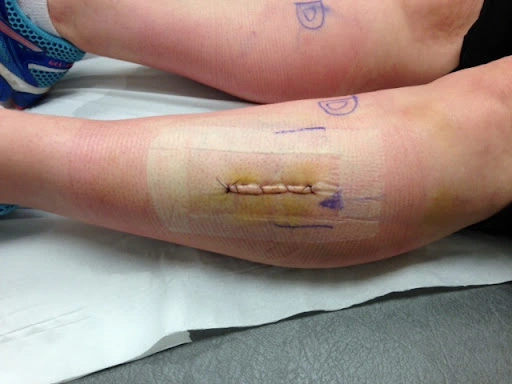
In cases where symptoms persist despite conservative care, fasciotomy may be considered. This surgical procedure involves cutting the fascia to relieve pressure in the compartment. Though effective in many cases, surgery comes with risks and requires a structured post-operative rehabilitation program, which we at DMPhysios offer as part of our post-surgical physiotherapy services.
Physiotherapy Treatment
Physiotherapy plays a crucial role in both non-surgical and post-surgical management of Chronic Exertional Compartment Syndrome. At DMPhysios, we follow a phased and personalized approach to ensure each patient regains strength, function, and confidence.
1. Initial Phase (Pain Control and Education)
- Rest and ice therapy post-activity
- Soft tissue mobilization to release fascial tightness
- Myofascial release of surrounding musculature
- Patient education on activity pacing and biomechanics
- Gentle neural glides if nerve symptoms are present
2. Mobility and Flexibility Phase
- Dynamic calf and anterior tibialis stretching
- Foam rolling and trigger point therapy
- Mobility drills for the ankle, knee, and hip
- Proprioception and balance exercises (e.g., single-leg stance)
3. Strengthening and Functional Phase
- Core strengthening to stabilize pelvic mechanics
- Eccentric and isometric training of lower limb muscles
- Closed-chain exercises like lunges, step-ups, wall sits
- Progression to plyometric and sport-specific drills
4. Gait and Return-to-Sport Training
- Gait analysis and retraining
- Correction of overstriding, heel striking, or poor cadence
- Gradual return to sport with interval running programs
- Monitoring for symptom recurrence
At DMPhysios, our patient-centered rehab programs not only address the local muscle compartment but also the entire kinetic chain, ensuring full recovery and minimizing the risk of recurrence.
Prevention
Preventing CECS involves proactive strategies that reduce compartment pressure and improve muscular and fascial adaptability. Key preventive measures include:
- Gradual increase in training intensity and volume
- Regular stretching and foam rolling
- Ensuring well-fitted footwear and orthotics
- Maintaining balanced strength in agonist and antagonist muscle groups
- Monitoring for early signs of exertional pain
- Gait analysis and correction in runners
- Routine sports physiotherapy assessments at centers like DMPhysios
Educating athletes and fitness enthusiasts about early warning signs and proper training principles is an essential part of our mission at DMPhysios in Noida.
Conclusion
Chronic Exertional Compartment Syndrome is a unique condition that can severely impact athletic performance and quality of life if not correctly diagnosed and managed. Often mistaken for shin splints or general overuse pain, CECS requires targeted assessment, focused rehabilitation, and in some cases, surgical intervention.
At DMPhysios, a Noida-based clinic dedicated to spine and sports rehabilitation, we offer expert physiotherapy care tailored to the individual needs of those with Chronic Exertional Compartment Syndrome. Our comprehensive, evidence-backed treatment programs address not just the symptoms but the underlying biomechanical causes, ensuring a complete and sustainable recovery.
If you or someone you know is struggling with exertional leg pain or unexplained cramping during exercise, don’t ignore it. Book a consultation with DMPhysios today—because recovery begins with the right diagnosis and the right team.