Overview
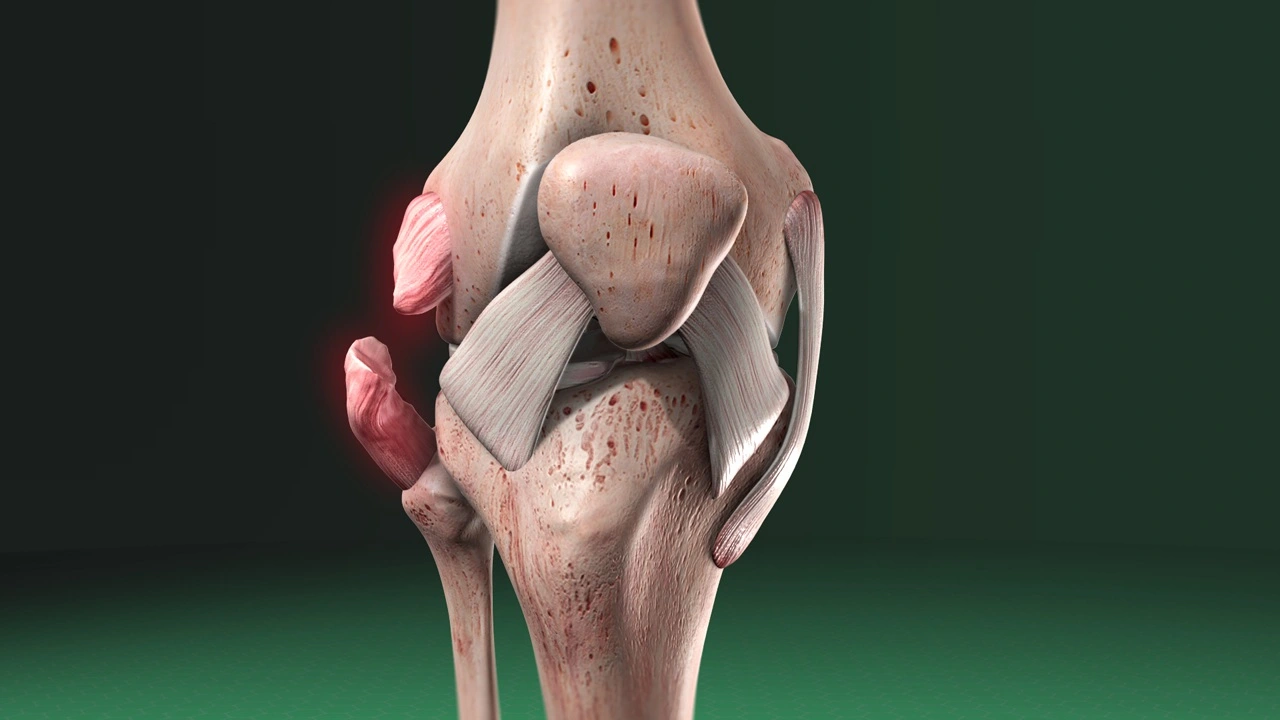
The Lateral Collateral Ligament (LCL) is one of the key ligaments responsible for maintaining the stability of the knee joint. Situated on the outer (lateral) aspect of the knee, the LCL serves as a vital connection between the femur (thigh bone) and the fibula (the smaller bone of the lower leg).
Its primary function is to resist varus stress—a force that pushes the knee outward, away from the body’s midline. This helps maintain proper alignment of the joint during movements like walking, running, and changing directions quickly.
A Lateral Collateral Ligament Injury occurs when this ligament is stretched beyond its normal capacity, partially torn, or in more severe cases, completely ruptured. Such injuries can occur suddenly due to trauma or develop gradually from repetitive stress.
Although LCL injuries are less common than Medial Collateral Ligament (MCL) injuries, they can have a substantial impact on an individual’s mobility, balance, and ability to perform athletic activities. People with untreated or improperly managed LCL injuries may experience persistent instability, weakness, and increased susceptibility to further knee damage over time.
At DMPhysios, a trusted name in Noida for spine and sports rehabilitation, we understand the importance of early diagnosis and targeted intervention. Our approach focuses on evidence-based assessment, personalized treatment plans, and patient-centered care to support a full and lasting recovery from any Lateral Collateral Ligament Injury. With the right care and structured physiotherapy, patients can regain full knee function and confidently return to their daily and athletic activities.
Symptoms of Lateral Collateral Ligament Injury
Recognizing the signs of an LCL injury is vital for timely intervention. Common symptoms include:
- Pain on the outer side of the knee
- Swelling and tenderness along the LCL
- A sensation of the knee being unstable or suddenly “giving out”
- Difficulty bearing weight
- Stiffness or reduced range of motion
- Bruising around the outer knee
- Pain that worsens with activity, especially side-to-side movements
The symptoms may vary based on the severity of the Lateral Collateral Ligament Injury, and in some cases, it may occur alongside injuries to other knee structures like the anterior cruciate ligament (ACL) or meniscus.
Types of Lateral Collateral Ligament Injury
LCL injuries are classified into three grades based on the extent of ligament damage:
- Grade I (Mild Sprain):
Slight stretching with microscopic tears. The ligament remains functional and the knee remains stable. Pain and tenderness are mild. - Grade II (Moderate Sprain):
Partial tearing of the ligament. There’s noticeable looseness in the knee with moderate pain, swelling, and instability. - Grade III (Severe Sprain):
Complete rupture of the LCL. The knee is unstable, and the pain can be severe. This often requires surgical intervention, especially in athletes.
Understanding the type and severity of a Lateral Collateral Ligament Injury is critical to determine the most appropriate treatment plan. At DMPhysios in Noida, our team uses advanced diagnostic and assessment tools to classify the injury precisely.
Causes of Lateral Collateral Ligament Injury
LCL injuries typically result from a force that pushes the knee outward while the foot is fixed in place. Common causes include:
- A forceful impact to the inner side of the knee, commonly occurring in contact sports
- Sudden twisting or pivoting movements
- Hyperextension of the knee joint
- Poor landing mechanics in jumping sports
- Accidents such as falling awkwardly or motor vehicle collisions
Such mechanisms can overstretch the ligament, causing varying degrees of Lateral Collateral Ligament Injury depending on the intensity of the trauma.
Risk Factors
Certain factors increase the likelihood of developing an LCL injury:
- Athletic participation: Football, basketball, rugby, skiing, and martial arts involve high impact and lateral motion
- Previous knee injuries: Prior damage can weaken the ligament’s structure
- Poor biomechanics: Abnormal gait or misalignment of the lower limbs
- Weak hip and thigh muscles: Less support to the knee joint
- Improper training techniques or equipment
- Sudden increases in training load
At DMPhysios, our therapists assess these risk factors during patient evaluations and create customized prevention and rehabilitation strategies to minimize re-injury.
Treatment
Treatment for a Lateral Collateral Ligament Injury depends on the injury grade:
Non-surgical Treatment (Grade I & II)
- Rest: Avoid activities that aggravate the condition.
- Ice therapy: Reduces swelling and pain.
- Compression and elevation: Helps in managing inflammation.
- Bracing: To stabilize the knee during healing.
- Medications: NSAIDs like ibuprofen to relieve pain and inflammation.
Surgical Treatment (Grade III or Multi-ligament Injury)
- In cases of complete rupture or when the LCL injury is accompanied by damage to other ligaments, surgical repair or reconstruction may be necessary.
- Post-operative physiotherapy is critical for restoring knee function.
At DMPhysios, our orthopedic partners work in coordination with our physiotherapists to ensure seamless pre- and post-operative care in case surgery is required.
Physiotherapy Treatment
DMPhysios, based in Noida, stands out as a leading rehabilitation center for spine and sports conditions, offering patient-centered care with a focus on long-term recovery. Our physiotherapy approach to Lateral Collateral Ligament Injury is comprehensive and personalized.
1. Initial Phase (Acute Phase – 0 to 1 week)
Goals:
- Reduce pain and swelling
- Protect the ligament from further stress
Interventions:
- Cryotherapy (cold therapy)
- Compression sleeves or taping
- Non-weight-bearing or partial weight-bearing with crutches
- Gentle range of motion (ROM) exercises
2. Sub-Acute Phase (1 to 3 weeks)
Goals:
- Restore full ROM
- Begin muscle activation without stressing the LCL
Interventions:
- Heel slides, quadriceps setting, hamstring curls
- Patellar mobilization
- Soft tissue mobilization
- Electrotherapy modalities like TENS or ultrasound
3. Strengthening Phase (3 to 6 weeks)
Goals:
- Rebuild muscle strength and neuromuscular control
- Begin functional movement patterns
Interventions:
- Closed kinetic chain exercises (mini squats, leg press)
- Resistance band work for hip abductors and external rotators
- Step-ups and partial lunges
- Proprioceptive training (single-leg balance, wobble board)
4. Advanced Strength & Return to Activity Phase (6 to 12 weeks)
Goals:
- Prepare the athlete or patient for full return to daily activities or sports
Interventions:
- Agility drills (side shuffles, zigzag runs)
- Plyometrics (box jumps, hopping)
- Sport-specific drills
- Continued strengthening of glutes, hamstrings, and quadriceps
Throughout the rehabilitation journey, DMPhysios integrates evidence-based manual therapy, functional movement analysis, and patient education to ensure sustainable recovery. Our patient-centric protocols ensure that individuals return to their normal routines stronger and more resilient.
Prevention of Lateral Collateral Ligament Injury
While not all injuries can be avoided, several preventive strategies can lower the risk of a Lateral Collateral Ligament Injury:
- Warm-up and Cool-down: Always begin and end training sessions with proper stretching and light aerobic activity.
- Strength Training: Focus on hamstrings, quadriceps, hip stabilizers, and core.
- Proprioception Drills: Balance and neuromuscular training enhance knee stability.
- Correct Technique: Proper form during sports, lifting, and landing reduces strain on the LCL.
- Footwear and Surface: Use appropriate shoes and avoid slippery or uneven playing surfaces.
- Routine Screening: At DMPhysios, our pre-participation screening helps identify biomechanical faults that can be corrected before they result in injuries.
Education, prevention, and performance enhancement are cornerstones of our philosophy at DMPhysios, Noida.
Conclusion
A Lateral Collateral Ligament Injury can be debilitating, especially for athletes and physically active individuals. With early diagnosis, structured rehabilitation, and a patient-centered approach, most individuals recover fully and return to their normal lives. The key lies in not ignoring the symptoms and seeking expert care.
At DMPhysios, a trusted name in Noida for treating spine and sports conditions, we are committed to delivering personalized, evidence-based rehabilitation that puts the patient’s recovery first. From the initial assessment to return-to-play protocols, our physiotherapists ensure every step is tailored for optimal healing and long-term function.
If you’re struggling with knee pain or suspect a Lateral Collateral Ligament Injury, don’t wait.
Visit DMPhysios today—let us help you regain your strength, stability, and confidence. Book your appointment at DMPhysios, Noida, and take your first step toward a pain-free, active life.