Overview
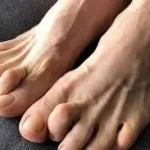
Flat foot (pes planus) is a condition characterized by the partial or complete collapse of the foot’s medial arch. In a healthy foot, the arch provides spring and flexibility, helping distribute body weight and absorb shock. In individuals with flat foot (pes planus), the arch is either very low or completely absent, causing the entire sole to come in contact with the ground during standing or walking.
This condition can be either flexible (where the arch appears while non-weight bearing but disappears when standing) or rigid (where the arch is absent in all positions). Although flat foot (pes planus) is commonly seen in infants and young children due to undeveloped arches, it usually resolves by the age of 6. However, if it persists into adolescence or adulthood, or if it develops later in life, it may lead to pain, instability, and functional limitations.
At DMPhysios, a trusted physiotherapy clinic located in Noida, we specialize in spine and sports conditions, offering patient-centered rehabilitation plans tailored for individuals with flat foot (pes planus). Our comprehensive care model addresses not just the symptoms but the root biomechanical imbalances that contribute to the condition.
Symptoms
While many individuals with flat foot (pes planus) remain asymptomatic, others may experience various degrees of discomfort and dysfunction. Common symptoms include:
- Pain in the heel, arch, ankle, or along the inner side of the foot
- Swelling around the inside of the ankle
- Fatigue or discomfort during prolonged standing or walking
- Frequent tripping or an altered walking pattern
- Difficulty with physical activities like running or climbing stairs
- Pain in the knees, hips, or lower back due to poor alignment
At DMPhysios, we understand that symptoms can vary widely. Our clinicians perform detailed assessments to understand the unique impact of flat foot (pes planus) on each patient’s daily function.
Types of Flat Foot (Pes Planus)
Flat foot (pes planus) can be categorized into several distinct types, each with its own causes and treatment considerations:
1. Flexible Flat Foot
- Most common type, especially in children.
- Arches appear when not bearing weight but disappear during standing.
- Often painless but can lead to symptoms over time.
2. Rigid Flat Foot
- Arch is absent even when the person is sitting or on tiptoes.
- May result from tarsal coalition (fusion of foot bones), arthritis, or congenital deformities.
- Often painful and limits foot mobility.
3. Adult-Acquired Flat Foot
- Develops over time due to wear and tear, often from posterior tibial tendon dysfunction.
- Common in middle-aged individuals.
- Progresses from mild to severe arch collapse if untreated.
4. Flat Foot Due to Neurological or Musculoskeletal Disorders
- May be associated with conditions such as cerebral palsy, spina bifida, or muscular dystrophy.
- Requires a multidisciplinary approach for management.
At DMPhysios in Noida, we routinely treat all types of flat foot (pes planus) with personalized rehabilitation protocols focused on age, severity, lifestyle, and underlying conditions.
Causes
Flat foot (pes planus) can be congenital or acquired. Below are the common causes:
Congenital Causes:
- Genetic predisposition
- Ligamentous laxity (loose ligaments)
- Underdeveloped arches in children
Acquired Causes:
- Posterior tibial tendon dysfunction (PTTD) – a key tendon that supports the arch becomes inflamed or torn.
- Arthritis, particularly rheumatoid arthritis
- Foot trauma or fractures
- Obesity, which puts excess strain on the foot arches
- Prolonged standing or walking on hard surfaces
- Wearing unsupportive footwear over time
Our experienced physiotherapists at DMPhysios conduct thorough biomechanical and functional evaluations to identify the underlying causes and contributing factors of flat foot (pes planus).
Risk Factors
Several risk factors can predispose an individual to develop flat foot (pes planus):
- Family history of flat feet
- Obesity or rapid weight gain
- Aging (wear and tear of foot structures)
- Diabetes and hypertension
- Sedentary lifestyle or occupations involving prolonged standing
- Pregnancy (temporary due to hormonal changes and weight gain)
- Previous injuries or fractures involving the foot or ankle
At DMPhysios, located in Noida, we emphasize early detection of these risk factors during assessments to prevent the worsening of flat foot (pes planus).
Treatment
Not all cases of flat foot (pes planus) require aggressive treatment. Asymptomatic flat feet often only need observation and preventive care. However, symptomatic cases benefit from a combination of conservative management and, in rare cases, surgical intervention.
Conservative Treatment:
- Activity modification to reduce strain on the feet
- Use of custom orthotics or arch supports
- Supportive footwear with firm soles and arch support
- Stretching exercises for the Achilles tendon and calf muscles
- Over-the-counter or prescription pain relievers if necessary
- Weight loss and lifestyle changes
Surgical Intervention (for severe or unresponsive cases):
- Tendon transfers
- Osteotomies (cutting and repositioning bones)
- Arthrodesis (joint fusion)
At DMPhysios, we prioritize non-invasive and functional rehabilitation approaches that are safe and effective, especially for pediatric and elderly populations.
Physiotherapy Treatment
DMPhysios, as a leading Noida-based physiotherapy clinic for spine and sports conditions, offers a structured and holistic approach to managing flat foot (pes planus). Our goal is not just symptom relief but also functional restoration and long-term prevention.
1. Initial Assessment
- Gait analysis and foot posture evaluation
- Strength and flexibility testing
- Dynamic balance and neuromuscular control screening
2. Stretching Protocol
- Calf and Achilles tendon stretches to relieve tension on the heel and arch
- Plantar fascia release techniques
3. Strengthening Exercises
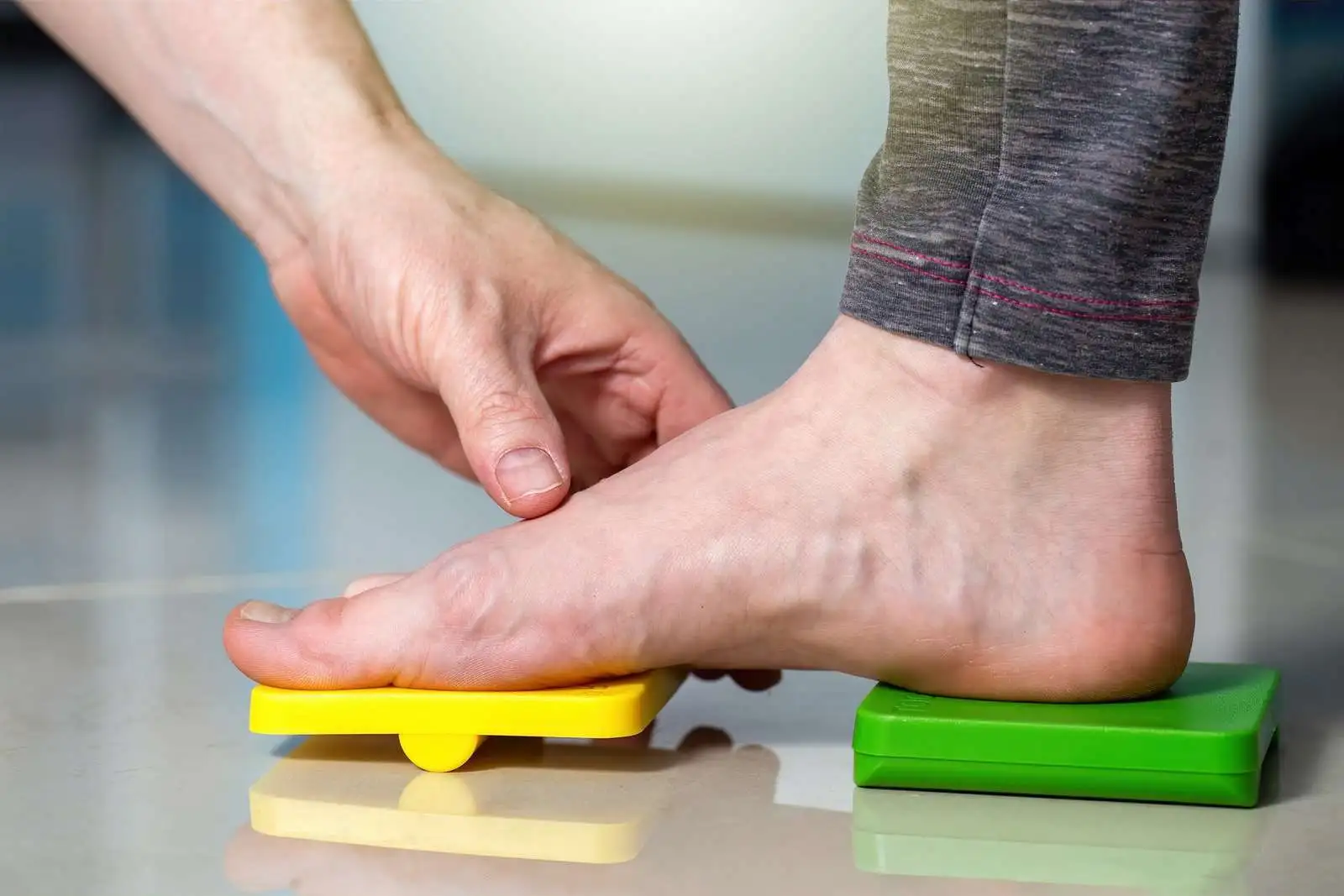
- Posterior tibialis strengthening (resisted foot inversion)
- Intrinsic foot muscle activation (towel curls, toe spreading)
- Arch lifts and foot doming exercises
- Hip and core strengthening to improve alignment
4. Gait Retraining
- Correct walking patterns
- Improve foot strike and weight distribution
- Use of cues and feedback tools
5. Orthotics Training
- Educating patients on using custom foot orthotics to reduce pressure and support arches
6. Manual Therapy
- Joint mobilization for foot and ankle
- Soft tissue release around the arch and Achilles tendon
7. Kinesiology Taping
- To provide additional arch support during high-activity phases
All therapies at DMPhysios are customized based on age, activity level, and individual biomechanics. We continuously monitor progress and adjust the program as needed for long-term success.
Prevention of Flat Foot (Pes Planus)
While not all cases of flat foot (pes planus) are preventable, certain strategies can help reduce risk and prevent complications:
- Encouraging barefoot play on safe, uneven surfaces in children to develop foot muscles
- Wearing proper footwear with arch support and cushioning
- Avoiding prolonged standing on hard surfaces without breaks
- Maintaining healthy body weight
- Regular stretching and strengthening routines
- Early screening for children with flat feet or family history
At DMPhysios, we also offer preventive screening programs for children and athletes to detect early signs of flat foot (pes planus) and intervene before symptoms develop.
Conclusion
Flat foot (pes planus) is a common yet often misunderstood condition that can significantly affect posture, movement efficiency, and overall quality of life. While many cases may remain painless, untreated symptomatic flat feet can lead to chronic discomfort, gait disturbances, and joint strain over time.
Early recognition and intervention are key. Whether you’re a parent noticing changes in your child’s foot posture or an adult dealing with foot fatigue and discomfort, it’s important not to ignore these signs.
At DMPhysios, located in Noida, we specialize in treating flat foot (pes planus) through evidence-based physiotherapy, advanced biomechanical assessments, and patient-centered care. Our team works closely with you to create a personalized rehabilitation plan aimed at correcting dysfunction, relieving pain, and preventing recurrence.
If you or your child are struggling with symptoms of flat foot (pes planus), don’t wait. Reach out to DMPhysios today—your trusted partner in spine and sports rehabilitation in Noida!