Overview
Ataxia is a neurological condition that affects movement coordination, leading to problems with balance, speech, and muscle control. The term “ataxia” comes from the Greek word “atakhos,” meaning “without order,” and accurately describes the disorganized or uncoordinated movements characteristic of this condition. It can be caused by a variety of underlying factors, including damage to the brain, spinal cord, or peripheral nerves. It is important to recognize that it is a symptom, not a disease itself, which means it can result from many different conditions that disrupt the nervous system’s ability to control and coordinate muscle movements.
The severity of ataxia can vary widely depending on the cause, and in some cases, it may be progressive, gradually worsening over time. However, with the right care and rehabilitation, patients can manage their symptoms effectively and improve their quality of life. At DMPhysios, a clinic in Noida specializing in spine and sports conditions with a focus on patient-centered rehabilitation, we provide tailored physiotherapy treatments to help individuals suffering from it regain mobility and independence.
Symptoms
The symptoms of it primarily affect motor coordination and balance, but they can extend to other aspects of physical function. These include:
- Poor Coordination: Individuals with ataxia may experience difficulty coordinating voluntary movements, which can manifest in clumsiness or difficulty performing everyday tasks like walking, writing, or eating.
- Balance Problems: Ataxia often causes a lack of stability while standing or walking, leading to frequent falls and difficulty maintaining an upright posture.
- Dysmetria: This refers to the inability to judge the distance to a target or the force needed to reach it, leading to uncoordinated movements.
- Speech Difficulties: Known as dysarthria, It can lead to slurred or slow speech due to poor control over the muscles involved in speech production.
- Swallowing Problems: Known as dysphagia, this can occur if the muscles controlling swallowing are affected by the lack of coordination.
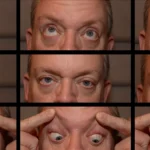
- Eye Movement Abnormalities: Some individuals may have difficulty controlling eye movements, leading to problems like double vision or nystagmus (rapid, involuntary eye movements).
- Tremors: While not as common, it can sometimes be associated with tremors or shaking in various parts of the body.
At DMPhysios, we ensure that a thorough assessment is conducted to tailor a rehabilitation plan that addresses all of these symptoms in a patient-centered way, ensuring the most effective outcomes.
Types of Ataxia
Ataxia can be broadly classified into two types based on its cause:
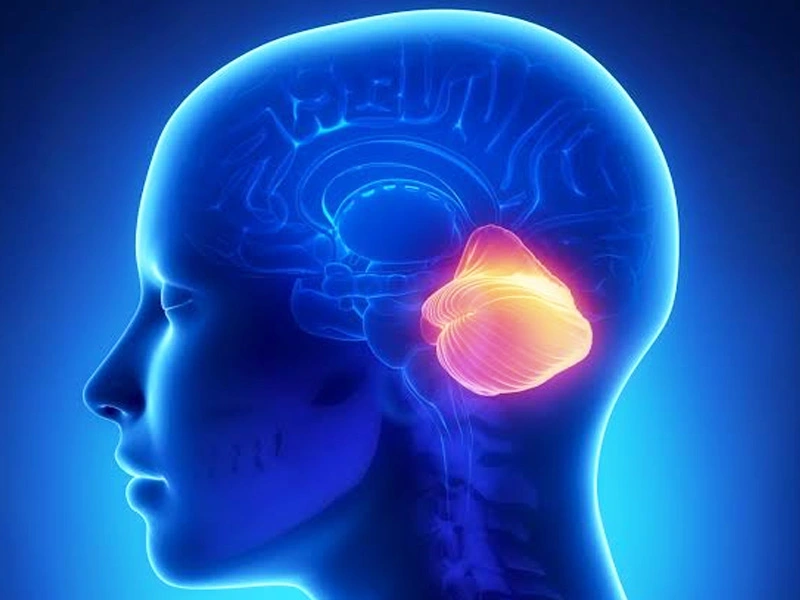
- Cerebellar Ataxia: This type occurs when there is damage to the cerebellum, the part of the brain responsible for coordinating voluntary movements. It is often associated with conditions like multiple sclerosis, stroke, or brain injury.
- Sensory Ataxia: It occurs when the sensory nerves that provide feedback to the brain about body position and movement are damaged. This can be caused by conditions like peripheral neuropathy or diabetes.
There are also several other less common forms of it, including hereditary ataxia and acquired ataxia. Hereditary are genetic disorders that cause progressive degeneration of the nervous system, whereas acquired result from factors such as infections, stroke, or head trauma.
Causes
It can result from a variety of underlying causes, which include:
- Genetic Disorders: Some types of ataxia are inherited, and individuals may have a family history of the condition. These include conditions like Friedreich’s ataxia and spinocerebellar ataxia.
- Stroke: A stroke can damage areas of the brain responsible for coordination and movement, resulting in it.
- Multiple Sclerosis: MS can cause lesions in the cerebellum or other parts of the nervous system, leading to motor coordination issues.
- Trauma: Head injuries or spinal cord injuries can lead to damage that results in ataxia.
- Alcoholism: Chronic alcohol consumption can cause nerve damage (alcoholic neuropathy) and lead to sensory ataxia.
- Infections: Certain infections, including viral infections or bacterial infections like Lyme disease, can lead to it by affecting the nervous system.
- Toxins: Exposure to certain toxins or medications can damage the nervous system, potentially causing ataxia.
- Vitamin Deficiencies: Deficiencies in vitamin E or vitamin B12 can lead to neurological symptoms, including it .
At DMPhysios, understanding the cause of it is essential in developing a tailored rehabilitation program that addresses the specific needs of the patient.
Risk Factors
Certain factors may increase the likelihood of developing ataxia, including:
- Age: The risk of developing it increases with age, particularly for those with degenerative conditions like Friedreich’s ataxia.
- Family History: If it runs in your family, you may be at a higher risk of inheriting genetic forms of the disorder.
- Medical Conditions: Conditions like diabetes, multiple sclerosis, and peripheral neuropathy can increase the likelihood of developing ataxia.
- Substance Abuse: Chronic alcohol use or exposure to certain drugs and toxins can damage the nervous system and increase the risk of ataxia.
Treatment
The treatment of ataxia focuses on managing the symptoms and improving quality of life, as there is currently no cure for the condition. Treatment options may include:
- Medications: Depending on the underlying cause of ataxia, medications may be prescribed to manage symptoms such as tremors, spasticity, or dizziness.
- Surgical Interventions: In some cases, surgery may be necessary, especially if it is caused by brain injury, tumor, or vascular issues.
- Speech and Occupational Therapy: These therapies help individuals manage communication and daily living tasks more effectively.
- Physical Therapy: Physical therapy is key to improving movement, balance, and coordination. At DMPhysios, we specialize in patient-centered rehabilitation to help individuals with ataxia regain their mobility and independence.
Physiotherapy Treatment
Physiotherapy plays a vital role in the management of ataxia, focusing on improving coordination, balance, and muscle strength. Treatment at DMPhysios is personalized based on the severity of the ataxia and the specific needs of the patient. Key components of physiotherapy treatment for ataxia include:
- Balance Training: Exercises that focus on improving balance and reducing the risk of falls. These may include standing on one leg, heel-to-toe walking, and using balance boards or stability balls.
- Strengthening Exercises: To combat weakness and improve muscle control, strengthening exercises focusing on the core, legs, and arms are essential. These exercises help improve overall body strength and stability.
- Coordination Exercises: These exercises improve hand-eye coordination and overall movement precision. Examples include ball-catching exercises or coordination drills that target fine motor skills.
- Gait Training: To improve walking ability and prevent falls, gait training exercises may be incorporated. These can include walking on different surfaces, treadmill walking, and using assistive devices like canes or walkers.
- Stretching and Flexibility: Regular stretching helps maintain muscle flexibility, which is crucial for reducing spasticity and maintaining a normal range of motion in joints.
- Posture Correction: A key aspect of physiotherapy at DMPhysios is correcting posture, as poor posture can worsen the symptoms of ataxia. Our physiotherapists teach patients strategies to maintain proper alignment and reduce strain on the body.
Through a combination of these techniques, physiotherapy at DMPhysios helps patients with ataxia enhance their quality of life by improving movement function and minimizing the impact of the condition.
Prevention
While it is not always possible to prevent it, there are steps you can take to reduce your risk or manage the condition more effectively:
- Regular Exercise: Keeping your body active through regular physical activity can help maintain muscle strength and coordination.
- Healthy Diet: Eating a balanced diet rich in vitamins and minerals, particularly B12 and vitamin E, can help maintain nerve health.
- Avoiding Alcohol: Limiting alcohol consumption can prevent alcohol-related nerve damage that may contribute to sensory ataxia.
- Early Detection: Early diagnosis and intervention can help slow the progression of ataxia, particularly in cases caused by genetic or degenerative conditions.
Conclusion
Ataxia can be a challenging condition, but with the right treatment, individuals can improve their symptoms and regain function. At DMPhysios, a clinic in Noida specializing in spine and sports conditions, we offer personalized physiotherapy rehabilitation to help manage ataxia. Whether you’re struggling with balance issues, coordination, or muscle control, our experienced physiotherapists will design a program that focuses on your specific needs. Don’t let it take control of your life—contact DMPhysios today to begin your journey to better movement and independence.