Overview
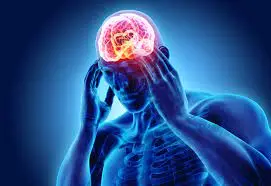
Traumatic brain injury (TBI) is a complex and potentially life-altering condition that arises from a sudden jolt, blow, or impact to the head, which disrupts the brain’s normal function. While a single traumatic brain injury can already pose significant health challenges, the risks become even more severe when such injuries occur repeatedly over time—a condition referred to as multiple traumatic brain injury.
Recurrent trauma to the brain, even if mild individually, can have a cumulative and compounding effect, progressively impairing neurological pathways and affecting an individual’s physical, cognitive, and emotional well-being.
The human brain is a remarkably sophisticated organ, but it is also incredibly delicate. Unlike other tissues in the body, the brain has a limited capacity for regeneration. As a result, each successive injury not only delays recovery but also increases the vulnerability of the brain to future damage. Symptoms may become more severe, recovery time may lengthen, and the risk of long-term disability rises with every additional injury.
At DMPhysios, a trusted Noida-based clinic specializing in spine and sports conditions, we recognize the immense challenges that individuals with multiple traumatic brain injuries face. Our patient-centered rehabilitation approach focuses on restoring function, improving quality of life, and minimizing the long-term effects of brain trauma.
Early intervention, precise diagnosis, and a structured, individualized physiotherapy program can make a critical difference in managing the complex consequences of multiple TBIs. Our multidisciplinary team is committed to helping patients regain independence, mobility, and confidence through evidence-based neuro-rehabilitation practices.
Symptoms
The symptoms of traumatic brain injury, especially when sustained repeatedly, can vary widely depending on the severity, location, and timing of each impact. Symptoms may be classified as physical, cognitive, emotional, and behavioral:
Physical Symptoms:
- Headaches that worsen over time
- Persistent dizziness or balance problems
- Nausea or vomiting
- Sensitivity to light and sound
- Visual disturbances
- Fatigue and sleep disturbances
Cognitive Symptoms:
- Difficulty concentrating or focusing
- Memory lapses (short-term or long-term)
- Slowed thinking or response time
- Confusion and disorientation
Emotional and Behavioral Symptoms:
- Irritability or mood swings
- Depression or anxiety
- Social withdrawal
- Impulsiveness or aggression
Over time, multiple traumatic brain injuries may increase the risk of neurodegenerative conditions such as chronic traumatic encephalopathy (CTE), which is commonly seen in athletes and military personnel.
Types of Traumatic Brain Injury
While the term traumatic brain injury encompasses a wide spectrum, it can be categorized into different types based on the mechanism and extent of injury:
1. Concussion
A mild TBI caused by a blow to the head or sudden acceleration-deceleration forces. Repeated concussions can lead to cumulative brain damage.
2. Contusion
Bruising of the brain tissue, typically due to direct impact. Multiple contusions over time can lead to permanent structural changes.
3. Diffuse Axonal Injury (DAI)
A severe form of TBI caused by rotational forces leading to widespread damage to the brain’s white matter.
4. Penetrating Injury
Occurs when an object breaches the skull and brain. Survivors of such injuries often face long-term disability, especially when these injuries recur.
5. Second Impact Syndrome
A rare but often fatal condition in which a second TBI occurs before the first has healed, leading to rapid brain swelling.
At DMPhysios, we encounter and manage a variety of these traumatic brain injuries, focusing not just on the physical symptoms but also the neurocognitive and emotional aspects.
Causes
Multiple traumatic brain injuries typically arise from repeated exposure to high-risk situations. Common causes include:
- Sports Injuries (football, boxing, rugby, wrestling)
- Falls, particularly in the elderly or those with balance disorders
- Motor vehicle accidents
- Physical assault or domestic violence
- Military combat exposure
- High-risk occupations (construction, law enforcement)
In many cases, patients may ignore the first few mild TBIs, returning prematurely to activities, thereby increasing the likelihood of subsequent injuries.
Risk Factors
Certain individuals are more prone to experiencing multiple traumatic brain injuries, including:
- Athletes participating in contact sports
- Military personnel exposed to repeated blasts or impacts
- Elderly individuals with balance issues
- Children and teenagers due to underdeveloped neurological systems
- Workers in hazardous occupations
- Individuals with seizure disorders or history of falls
At DMPhysios, we emphasize early education and screening for high-risk individuals to prevent the onset or progression of multiple traumatic brain injuries.
Treatment
Management of multiple traumatic brain injuries involves a multidisciplinary approach that addresses acute symptoms, promotes recovery, and prevents further damage.
Medical Management:
- Neuroimaging (CT/MRI scans) to assess brain damage
- Medication for headache, mood stabilization, or seizures
- Cognitive therapy for memory and processing deficits
- Psychological support to manage emotional or behavioral changes
- Surgical intervention in cases of bleeding, swelling, or pressure
However, one of the most essential and often overlooked aspects of long-term care is rehabilitation, particularly physiotherapy, which forms the cornerstone of treatment at DMPhysios.
Physiotherapy
At DMPhysios, we provide individualized, patient-centered rehabilitation programs designed specifically for those recovering from multiple traumatic brain injuries. Physiotherapy plays a vital role in improving mobility, restoring function, and enhancing quality of life.
1. Initial Assessment
Each patient undergoes a comprehensive neuro-physiotherapy evaluation, including:
- Balance and gait analysis
- Muscle tone and strength testing
- Sensory and proprioceptive assessment
- Postural control and coordination
2. Balance and Vestibular Rehabilitation
Balance issues are common after traumatic brain injury. We use:
- Static and dynamic balance exercises
- Vestibular training (e.g., gaze stabilization, habituation)
- Use of balance boards and proprioceptive tools
3. Gait Training
For patients with altered walking patterns, we utilize:
- Parallel bar walking
- Treadmill training with body-weight support
- Task-specific walking drills
4. Strength and Mobility Restoration
Muscle weakness is addressed through:
- Progressive resistance training
- Functional mobility drills (bed mobility, transfers)
- Stretching for spastic or tight muscle groups
5. Neurocognitive Integration
We incorporate dual-task activities to simultaneously train the brain and body:
- Obstacle navigation while recalling words or solving puzzles
- Balance games that include memory tasks
6. Coordination and Fine Motor Skills
Occupational therapy and motor retraining are crucial in managing:
- Hand-eye coordination
- Dexterity tasks (e.g., buttoning, writing)
- Grip and pinch strength
7. Patient and Family Education
Patients and caregivers receive guidance on:
- Home exercise programs
- Fall prevention strategies
- Lifestyle modifications
The team at DMPhysios ensures that physiotherapy for traumatic brain injury is not a one-size-fits-all protocol. We tailor every program to suit the patient’s current neurological status, functional goals, and personal preferences.
Prevention
Preventing multiple traumatic brain injuries is significantly more effective than managing them after occurrence. Key preventive strategies include:
For Athletes:
- Use of protective headgear
- Strict adherence to return-to-play protocols
- Education on symptom recognition
For Older Adults:
- Fall-proofing the home environment
- Use of mobility aids
- Balance training and strength exercises
For General Population:
- Wearing seat belts in vehicles
- Avoiding distracted driving
- Using helmets while riding two-wheelers
At DMPhysios, we actively engage in community outreach programs, educating schools, sports academies, and elderly communities in Noida on TBI prevention strategies.
Conclusion
Multiple traumatic brain injury is a growing concern, especially in populations repeatedly exposed to high-impact environments. The consequences can be devastating, ranging from chronic headaches and mobility issues to lifelong cognitive and emotional impairments.
The earlier these injuries are diagnosed and managed, the better the outcomes. With advanced neuro-rehabilitation techniques and a patient-first approach, DMPhysios, a leading spine and sports injury clinic in Noida, stands at the forefront of TBI recovery. Our multidisciplinary physiotherapy interventions focus not just on healing the injury, but on restoring the individual to full, independent function.
If you or someone you know is recovering from a traumatic brain injury, or is at risk of multiple TBIs, don’t delay. Early rehabilitation is key. Reach out to DMPhysios today—because every brain deserves expert care.
To schedule an assessment or learn more about our neuro-physiotherapy programs for traumatic brain injury, visit DMPhysios in Noida or call our clinic to speak with our team of specialists. Let us guide you toward a safer, stronger recovery.