Overview
Post Polio Syndrome (PPS) is a late-onset neurological condition that can emerge between 15 to 40 years after an individual has recovered from an acute poliomyelitis infection. Despite many polio survivors leading years—even decades—of relatively stable lives after their initial recovery, post polio syndrome can bring about a resurgence of symptoms that significantly affect physical function and quality of life.
The most common features of PPS include progressive muscle weakness, persistent fatigue, generalized or localized pain, and a decline in physical endurance. These symptoms are particularly concerning because they occur in individuals who, after years of adaptation and compensation, had returned to functional levels of activity post-infection.
Importantly, post polio syndrome is not due to a reactivation of the original poliovirus. Instead, it is believed to stem from a gradual breakdown of the compensatory mechanisms that the body employed after the initial polio attack. When poliovirus initially damages motor neurons in the spinal cord and brainstem, the surviving neurons sprout new connections to muscle fibers in an attempt to restore muscle strength and function.
While this biological adaptation helps regain partial or full mobility, it also places these motor neurons under chronic physiological stress over time. Eventually, these enlarged motor units become metabolically unsustainable, and as they degenerate, patients begin to experience new muscular and neuromuscular deficits, forming the clinical picture of post polio syndrome.
At DMPhysios, a leading physiotherapy clinic in Noida known for its expertise in spine and sports rehabilitation, the approach to managing post polio syndrome is both comprehensive and patient-centric.
With a team of specialized physiotherapists and rehabilitation experts, DMPhysios crafts individualized treatment programs that aim to preserve muscle function, reduce pain, and improve energy conservation. The primary goal is not just symptom control, but also to enhance long-term independence, prevent complications, and support emotional and physical well-being through a structured, evidence-based rehabilitation protocol tailored to the unique challenges of PPS.
Symptoms of Post Polio Syndrome
The hallmark of post polio syndrome is the gradual onset of new symptoms in a previously stable individual with a history of polio. Symptoms vary between individuals but commonly include:
- Progressive muscle weakness (especially in muscles previously affected by polio)
- Fatigue after minimal exertion
- Muscle and joint pain
- Muscle atrophy (wasting of muscle tissue)
- Cold intolerance
- Breathing or swallowing difficulties (in severe cases)
- Sleep-related breathing disorders
- Depression and anxiety due to the chronic nature of symptoms
The symptoms typically progress slowly and are often exacerbated by physical or emotional stress.
Causes
The exact cause of post polio syndrome remains uncertain, but it is generally linked to the degeneration of overused motor neurons. Here’s a breakdown of contributing factors:
- Neuronal Overload: After recovery from polio, surviving motor neurons sprout new nerve terminals to compensate for those lost. Over time, this adaptation wears out.
- Chronic Inflammation: Some studies suggest ongoing inflammation in the nervous system may play a role.
- Aging: Age-related motor neuron decline may compound the effects in polio survivors.
- Overuse of Muscles: Compensatory overuse of unaffected muscles can lead to joint strain and muscle fatigue.
At DMPhysios, we incorporate a multifactorial understanding of causation into our treatment plans, ensuring patients with post polio syndrome receive holistic and realistic guidance.
Risk Factors
Not every polio survivor will develop post polio syndrome. However, certain risk factors increase the likelihood:
- Severity of initial polio infection
- Greater residual weakness after recovery
- Earlier age of onset of polio
- Excessive physical activity over the years
- Overweight or obesity
- Poor lifestyle management post-polio
Recognizing these risks is crucial for both early detection and preventive care. At DMPhysios, we focus on educating patients and caregivers to minimize risks wherever possible.
Treatment
There is no definitive cure for post polio syndrome, but treatment focuses on symptom management, function preservation, and quality of life improvement.
Medical Management
- Pain management: Non-steroidal anti-inflammatory drugs (NSAIDs), muscle relaxants, and sometimes low-dose opioids.
- Fatigue management: Lifestyle modifications and medications like amantadine or modafinil in select cases.
- Sleep apnea management: CPAP or BiPAP therapy if respiratory symptoms are present.
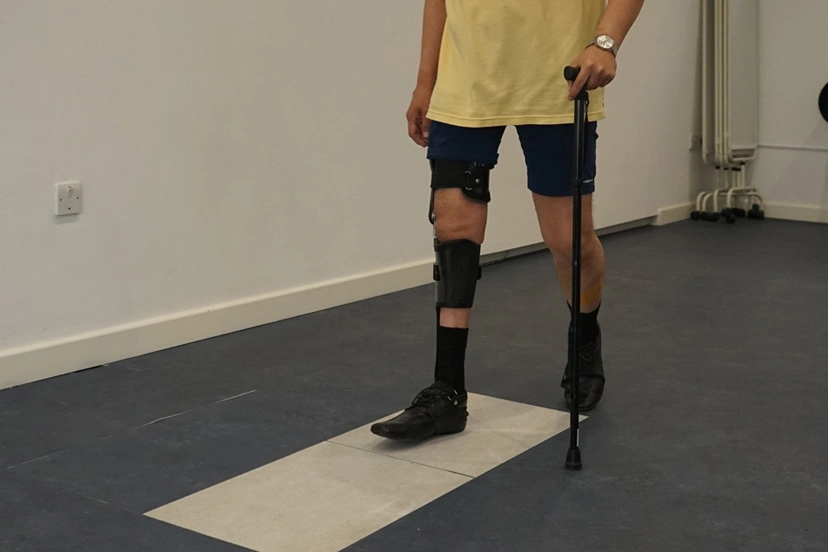
- Orthotic support: Braces or orthoses to improve stability and reduce energy expenditure.
However, physiotherapy remains the cornerstone of treatment, and that’s where DMPhysios excels with its focused rehabilitation approach.
Physiotherapy Treatment
Physiotherapy is essential in slowing the progression of symptoms, reducing pain, and improving daily function in post polio syndrome. At DMPhysios, our structured and individualized programs include:
1. Muscle Strengthening (with Caution)
- Low-resistance, high-repetition exercises for unaffected or minimally affected muscles.
- Avoidance of over-fatiguing muscles.
- Monitoring for post-exercise fatigue lasting more than 24 hours.
Example: Seated leg raises, resistance band rows (under supervision), wall push-ups.
2. Energy Conservation Techniques
- Training in pacing activities, using assistive devices, and ergonomic adaptations.
- Education in activity-rest cycles to prevent fatigue.
At DMPhysios, occupational therapists and physiotherapists work together to redesign daily routines that optimize energy use.
3. Aerobic Conditioning
- Mild aerobic activities such as stationary cycling, water therapy, or walking in shallow pools.
- Heart rate and fatigue monitoring to avoid overexertion.
4. Stretching and Flexibility
- Gentle passive and active stretches to reduce joint stiffness and muscle cramps.
- Focus on spinal mobility, hip flexors, and hamstrings.
5. Gait Training
- Use of canes, walkers, or orthoses to promote safe ambulation.
- Teaching fall prevention strategies.
At DMPhysios, gait training is enhanced with mirror feedback, treadmill assistive devices, and digital posture analysis to refine walking patterns.
6. Postural Re-education and Core Strengthening
- Exercises focusing on trunk stability to support weak limbs.
- Use of stability balls, therabands, and proprioceptive tools.
7. Respiratory Therapy
- Breathing exercises, incentive spirometry, and posture correction to improve lung function.
- Particularly vital in patients showing signs of respiratory muscle involvement.
8. Hydrotherapy (Pool Therapy)
- Buoyancy reduces joint stress and allows for pain-free movement.
- Particularly effective for those with musculoskeletal symptoms.
DMPhysios is one of the few Noida-based clinics offering specialized aquatic therapy programs, a proven modality for post polio syndrome rehabilitation.
Prevention
While post polio syndrome cannot be completely prevented in polio survivors, certain practices may help reduce its onset and severity:
- Avoid overuse of weakened muscles.
- Maintain a healthy weight to reduce joint stress.
- Incorporate regular, moderate physical activity under supervision.
- Use orthotic aids early to prevent compensatory injuries.
- Regular follow-ups with a rehabilitation specialist for early detection.
At DMPhysios, prevention is integrated into every rehabilitation plan, empowering patients to make informed choices about their activity levels and lifestyle.
Conclusion
Post polio syndrome is a chronic and progressive condition that can greatly impact the lives of polio survivors. However, with the right intervention—especially through patient-centered rehabilitation—individuals can maintain their independence and function.
At DMPhysios, located in Noida and recognized for its excellence in treating spine and sports conditions, we understand the complexities of post polio syndrome. Our expert physiotherapists design personalized programs that aim not just to manage symptoms but to empower patients toward a better quality of life.
If you or your loved one is experiencing new symptoms years after recovering from polio, don’t ignore the signs. Reach out to DMPhysios today for a comprehensive evaluation and rehabilitation plan tailored to your unique needs.Contact DMPhysios – Your Partner in Recovery.
Noida’s Leading Spine and Sports Clinic.