Overview
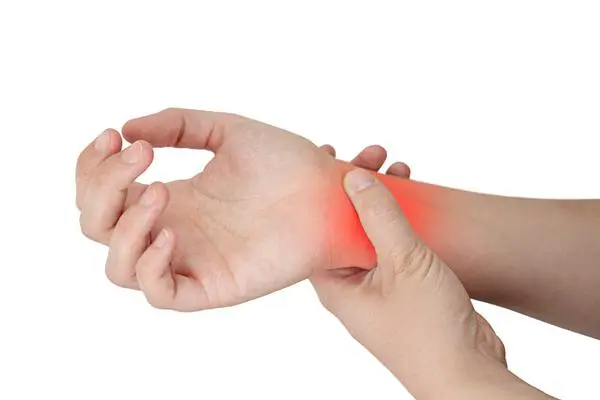
Repetitive Strain Injury (RSI) is a collective term used to describe pain, discomfort, and functional impairment affecting the muscles, nerves, and tendons as a result of repetitive movements, overuse, or maintaining awkward postures for prolonged periods. It is one of the most frequently seen musculoskeletal disorders in today’s world, affecting not only office professionals who spend long hours at a desk but also athletes, musicians, and individuals engaged in repetitive manual or physical work.
Unlike sudden injuries, repetitive strain injury develops gradually. In the beginning, people may notice only a dull ache, a slight stiffness, or occasional tingling during activity. Over time, however, these symptoms can intensify and evolve into persistent pain, decreased mobility, weakness, and in some cases, even long-term disability if left untreated. What makes RSI particularly concerning is that the early warning signs are often ignored, leading to delayed intervention.
Modern lifestyles have significantly contributed to the rise in RSI cases. The increasing reliance on technology—whether it is hours spent typing on a laptop, scrolling endlessly on smartphones, or playing video games—places constant strain on small muscle groups and tendons. Similarly, athletes who engage in repetitive training routines or professionals who perform precision-based work are equally at risk. This steady build-up of microtrauma in the body underscores why RSI is becoming one of the most widespread conditions across different age groups and professions today.
At DMPhysios, a reputed physiotherapy clinic in Noida specializing in spine and sports-related conditions, patient-centered rehabilitation for repetitive strain injury is given high priority. The clinic emphasizes a holistic, evidence-based approach that not only focuses on relieving pain but also addresses the underlying causes.
Their team of experienced physiotherapists designs individualized treatment plans that combine manual therapy, exercise programs, ergonomic advice, and lifestyle guidance. This ensures that patients not only recover from RSI but also learn how to prevent it from recurring, empowering them to return to work, sports, and daily activities with confidence.
Symptoms
The symptoms of repetitive strain injury vary depending on the affected body part, but the most common signs include:
- Pain and tenderness in the muscles or joints during or after activity.
- Stiffness and reduced mobility, making daily tasks difficult.
- Tingling, numbness, or burning sensations in the affected region.
- Weakness or loss of grip strength in cases like wrist or hand strain.
- Swelling or visible inflammation in advanced stages.
- Fatigue in muscles, even after minimal exertion.
Patients often notice that symptoms worsen during repetitive tasks such as typing, lifting, or using tools, and improve with rest—at least in the early stages.
Types of Repetitive Strain Injury
Repetitive strain injury is not a single condition but an umbrella term covering multiple musculoskeletal disorders. The most common types include:
- Tendinitis – Inflammation of tendons due to overuse (e.g., tennis elbow, golfer’s elbow).
- Bursitis – Swelling of fluid-filled sacs (bursae) that cushion joints.
- Carpal Tunnel Syndrome – Compression of the median nerve in the wrist, common among office workers.
- Trigger Finger – Pain and locking of fingers due to tendon sheath inflammation.
- Rotator Cuff Injuries – Shoulder strain from repetitive overhead movements.
- De Quervain’s Tenosynovitis – Pain at the base of the thumb from repetitive hand movements.
Each type of repetitive strain injury may present differently, but all share a common link—overuse and repetitive stress.
Causes
The primary cause of repetitive strain injury is repetition of movements over extended periods without adequate rest. However, multiple contributing factors increase the risk:
- Prolonged typing or computer use with poor ergonomics.
- Manual labor or assembly line work involving repetitive lifting or gripping.
- Sports activities such as tennis, cricket, or weightlifting.
- Use of vibrating tools or machinery.
- Awkward or static postures maintained for long hours.
- Poor ergonomics at the workplace or gym.
Over time, these factors strain muscles, ligaments, and nerves, leading to microscopic damage and inflammation.
Risk Factors
Certain individuals are more vulnerable to developing repetitive strain injury, including:
- Office workers who spend hours typing or using a mouse.
- Athletes engaged in repetitive training (e.g., swimmers, runners, cricketers).
- Musicians such as guitarists, pianists, or drummers.
- Factory workers performing repeated tasks daily.
- Individuals with poor posture or weak musculoskeletal support.
- People with underlying health conditions like diabetes or arthritis.
Lifestyle factors such as lack of exercise, stress, and insufficient rest periods further increase susceptibility.
Treatment
The treatment of repetitive strain injury depends on the severity and the specific structures affected. Broadly, it involves a combination of medical, physiotherapy, and lifestyle-based interventions.
- Rest and Activity Modification – The first step is reducing or modifying repetitive activities that trigger symptoms.
- Pain Management – Use of ice packs, heat therapy, and anti-inflammatory medications.
- Splints or Supports – In conditions like carpal tunnel syndrome, wrist splints may help.
- Medical Interventions – In severe cases, corticosteroid injections or surgical options may be considered.
- Physiotherapy – The most effective and long-term treatment approach, targeting the root cause of the condition.
At DMPhysios in Noida, physiotherapists create customized rehabilitation programs to help patients recover from repetitive strain injury without depending solely on medications.
Physiotherapy Treatment
Physiotherapy is considered the gold standard in managing repetitive strain injury because it addresses not only symptoms but also the underlying causes. At DMPhysios, the treatment approach is tailored to the patient’s occupation, lifestyle, and severity of injury.
1. Initial Assessment
- Detailed history of occupational habits, sports activities, and pain patterns.
- Physical examination to identify affected muscles, joints, or nerves.
- Postural and ergonomic assessment for workplace-related RSIs.
2. Pain Relief Techniques
- Manual Therapy: Soft tissue mobilization and myofascial release to relax tight muscles.
- Electrotherapy: TENS, ultrasound therapy, or laser therapy to reduce inflammation and pain.
- Cryotherapy and Heat Therapy: Alternating cold and hot applications to manage pain and stiffness.
3. Exercise Therapy
- Stretching Exercises: To release tension in overused muscles (e.g., wrist flexor stretches, neck stretches).
- Strengthening Exercises: Focus on weak muscles to restore balance (e.g., rotator cuff strengthening, core stability exercises).
- Range of Motion (ROM) Exercises: Gentle mobility drills to restore joint flexibility.
4. Ergonomic Training
- Correction of workplace setup (desk height, chair support, keyboard placement).
- Education on posture correction during work and daily activities.
- Advice on rest breaks and activity modification.
5. Functional Rehabilitation
- Sports-specific drills for athletes recovering from repetitive strain injury.
- Return-to-work programs designed to gradually reintroduce repetitive tasks safely.
- Guidance on lifestyle modifications to prevent recurrence.
By combining these approaches, DMPhysios ensures that patients not only recover from repetitive strain injury but also build resilience against future episodes.
Prevention
Prevention is the most effective strategy against repetitive strain injury. Simple lifestyle and workplace modifications can drastically reduce the risk:
- Ergonomic Workstations: Adjust chair height, desk setup, and monitor level.
- Regular Breaks: Follow the 20-20-20 rule—every 20 minutes, take a 20-second break to look at something 20 feet away.
- Stretching and Warm-up: Incorporate daily stretches, especially for wrists, shoulders, and back.
- Strength Training: Build endurance and muscle strength to reduce fatigue.
- Posture Awareness: Maintain neutral spine alignment while sitting or standing.
- Use of Proper Equipment: Ergonomic keyboards, supportive footwear, and protective gear.
- Balanced Work-Rest Cycle: Avoid prolonged repetitive tasks without recovery periods.
At DMPhysios, prevention is emphasized alongside treatment. Patients are educated about ergonomic corrections, workplace modifications, and home exercises to ensure long-term relief.
Conclusion
Repetitive strain injury is not just a workplace issue—it is a growing health concern in today’s digital and high-performance world. From office workers to athletes, anyone exposed to repetitive stress is at risk. Recognizing early symptoms, seeking timely treatment, and adopting preventive strategies are key to recovery.
Physiotherapy remains the cornerstone of effective management. Clinics like DMPhysios in Noida, specializing in spine and sports conditions, play a crucial role by offering patient-centered rehabilitation. Their holistic approach—combining pain relief, exercise therapy, ergonomic training, and preventive education—ensures patients regain function and return to daily life with confidence.If you or someone you know is struggling with repetitive strain injury, don’t ignore the signs. Early intervention can prevent long-term damage. Reach out to DMPhysios, where expert physiotherapists are committed to helping you move better, recover faster, and prevent future injuries.