Overview
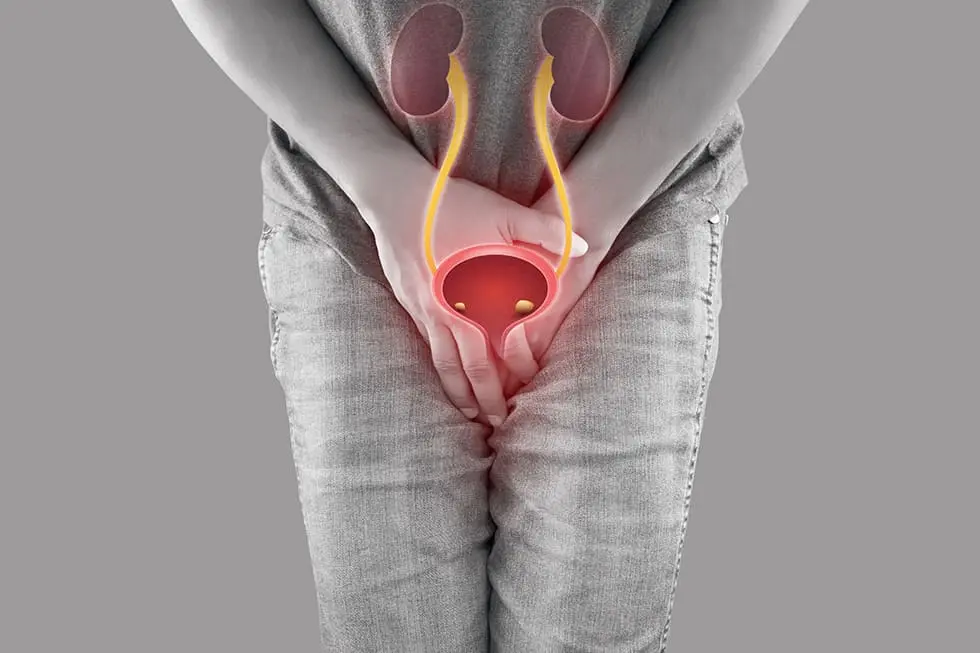
Urinary incontinence refers to the involuntary loss of urine, a condition that may seem minor at first but can gradually disrupt daily activities and emotional well-being. It can occur in people of all ages, though it is most frequently reported among women, older adults, and individuals living with chronic health conditions.
While urinary incontinence is not life-threatening, its impact on quality of life can be significant. Many people experience feelings of embarrassment, social withdrawal, reduced self-esteem, and even anxiety or depression due to the unpredictability of leakage.
Unfortunately, urinary incontinence is often misunderstood. A large number of individuals hesitate to seek medical advice, assuming it is a natural part of aging or something they must simply “live with.” This stigma and lack of awareness prevent people from exploring effective treatment options.
In reality, urinary incontinence is a manageable condition, and in many cases, it can be completely resolved with the right care. Modern approaches that combine medical evaluation with physiotherapy have shown highly positive outcomes in improving bladder control and restoring confidence.
DMPhysios, a renowned physiotherapy clinic in Noida that specializes in spine and sports conditions, extends its expertise to pelvic health rehabilitation as well. The clinic adopts a patient-centered approach, ensuring that each individual receives personalized care tailored to their needs.
Through evidence-based physiotherapy techniques, lifestyle guidance, and structured exercise programs, DMPhysios empowers patients to strengthen their pelvic floor muscles, improve bladder function, and overcome the challenges of urinary incontinence. Their holistic approach not only addresses the physical aspect of the condition but also supports emotional well-being, helping patients return to an active and fulfilling lifestyle without the fear of leakage.
Symptoms
The main sign of urinary incontinence is the involuntary leakage of urine. However, the way this manifests varies depending on the type and severity of the condition. Some common symptoms include:
- A persistent, sudden urge to urinate that is hard to manage.
- Involuntary urine leakage triggered by physical activities like coughing, sneezing, running, or lifting.
- Unexpected bladder spasms that cause a strong, urgent need to urinate.
- Incomplete emptying of the bladder, causing post-urination dribbling.
- Sleep disturbances, such as waking up frequently to urinate (nocturia).
These symptoms can range from mild occasional leaks to severe, constant urine loss that disrupts daily living.
Types of Urinary Incontinence
There are several types of urinary incontinence, and identifying the right type is crucial for effective treatment.
- Stress Incontinence
- Leakage occurs when physical activity or pressure on the bladder (e.g., coughing, sneezing, laughing, or exercising) causes urine loss.
- Often seen in women after pregnancy, childbirth, or menopause as a result of weakened pelvic floor muscles.
- Urge Incontinence (Overactive Bladder)
- Defined by a rapid, overwhelming urge to urinate that is immediately followed by involuntary leakage.
- Often caused by abnormal bladder contractions.
- Mixed Incontinence
- A combination of stress and urge incontinence symptoms.
- Patients experience both leakage during exertion and urgency-related episodes.
- Overflow Incontinence
- Caused by an inability to fully empty the bladder, leading to continuous dribbling.
- Often associated with weak bladder muscles or obstruction.
- Functional Incontinence
- Occurs when physical or cognitive limitations (such as arthritis or dementia) prevent timely access to the toilet.
Causes
Urinary incontinence can be triggered by multiple factors, often a combination of physiological, neurological, and lifestyle-related issues. Common causes include:
- Weak pelvic floor muscles due to pregnancy, childbirth, or aging.
- Hormonal changes during menopause reducing bladder and urethral strength.
- Prostate-related conditions in men, such as an enlarged prostate or complications following prostate surgery.
- Neurological disorders such as Parkinson’s disease, multiple sclerosis, or stroke.
- Long-term health issues such as diabetes, obesity, or recurrent urinary tract infections.
- Medications including diuretics, sedatives, or muscle relaxants.
- Pelvic surgery that may damage nerves or muscles controlling urination.
Risk Factors
Certain factors increase the likelihood of developing urinary incontinence, such as:
- Gender: Women are more susceptible due to pregnancy, childbirth, and menopause.
- Age: Muscle weakening and reduced bladder capacity occur with aging.
- Obesity: Extra body weight increases pressure on the bladder and pelvic floor.
- Smoking: Chronic coughing weakens pelvic support structures.
- Family history: Genetic predisposition to weak pelvic tissues.
- High-impact sports: Athletes, especially females, may develop stress incontinence due to repetitive strain.
Treatment
Management of urinary incontinence varies based on its type, severity, and root causes. A combination of lifestyle changes, medical interventions, and physiotherapy is often recommended.
- Lifestyle Modifications
- Limiting caffeine and alcohol intake.
- Weight management to reduce bladder pressure.
- Scheduled voiding and bladder training to increase bladder control.
- Medications
- Anticholinergics or beta-3 agonists for urge incontinence.
- Topical estrogen for post-menopausal women.
- Alpha-blockers for men with prostate-related issues.
- Medical Procedures/Surgery
- Sling procedures or bladder neck suspension for stress incontinence.
- Injections or implants to support urethral closure.
- Catheters or nerve stimulation for severe cases.
- Physiotherapy Treatment
- One of the most effective non-invasive approaches for managing urinary incontinence.
- Centers on enhancing pelvic floor muscle strength and promoting better bladder control.
Physiotherapy Treatment
At DMPhysios in Noida, patient-centered rehabilitation plays a key role in managing urinary incontinence. A physiotherapist evaluates each patient’s specific condition and designs a personalized treatment program. The following are evidence-based physiotherapy techniques used:
1. Pelvic Floor Muscle Training (PFMT or Kegel Exercises)
- Strengthens the muscles supporting the bladder, uterus, and rectum.
- Patients are guided to correctly contract and relax pelvic floor muscles, preventing leakage.
- Biofeedback devices may be used to ensure correct technique.
- Regular practice can significantly reduce stress incontinence.
2. Bladder Training
- Patients are taught to delay urination gradually to increase bladder capacity.
- Helps reduce urgency and frequency associated with urge incontinence.
- Techniques include scheduled voiding and urge suppression strategies.
3. Electrical Stimulation
- Low-grade electrical impulses stimulate pelvic floor muscles, improving contraction strength.
- Especially beneficial for patients unable to perform Kegels independently.
4. Core Strengthening and Posture Correction
- Weak abdominal and core muscles contribute to pelvic instability.
- Exercises targeting the transverse abdominis, obliques, and glutes are incorporated.
- Correct posture reduces excess strain on the bladder and pelvic floor.
5. Biofeedback Therapy
- Devices provide visual or auditory feedback, helping patients identify correct pelvic muscle contractions.
- Improves training efficiency and outcomes.
6. Manual Therapy and Myofascial Release
- Addressing pelvic muscle tension or scar tissue from childbirth or surgery.
- Restores muscle flexibility and improves urinary control.
7. Breathing Techniques
- Diaphragmatic breathing reduces intra-abdominal pressure.
- Promotes relaxation and coordination between core and pelvic floor.
DMPhysios integrates these methods within a holistic program, ensuring patients not only strengthen their pelvic floor but also regain confidence and functional independence.
Prevention
While not all cases can be prevented, certain strategies lower the risk:
- Maintain a healthy weight to reduce bladder stress.
- Practice pelvic floor exercises regularly, even before symptoms appear.
- Avoid smoking to reduce chronic coughing.
- Stay hydrated but moderate bladder irritants like caffeine, spicy food, and alcohol.
- Exercise safely by avoiding excessive high-impact strain on the pelvic floor.
- Manage chronic conditions such as diabetes and constipation effectively.
Early consultation with a physiotherapist at DMPhysios can help in adopting preventive measures, particularly for women during pregnancy or after childbirth.
Conclusion
Urinary incontinence is a common yet often overlooked condition that can profoundly affect daily life. It manifests in different forms—stress, urge, mixed, overflow, and functional—and arises from a variety of causes, including weakened pelvic floor muscles, neurological conditions, and lifestyle factors. Fortunately, effective treatments exist, ranging from lifestyle changes and medications to advanced physiotherapy techniques.
DMPhysios, a trusted physiotherapy clinic in Noida specializing in spine and sports rehabilitation, also offers expert care for urinary incontinence through personalized, patient-centered rehabilitation programs. Their evidence-based physiotherapy treatments empower individuals to regain bladder control, restore confidence, and improve overall quality of life.If you or someone you know is struggling with urinary incontinence, don’t delay seeking help. Early intervention makes recovery easier and more effective. Contact DMPhysios in Noida today to book a consultation and take the first step towards a healthier, more confident future.