Overview
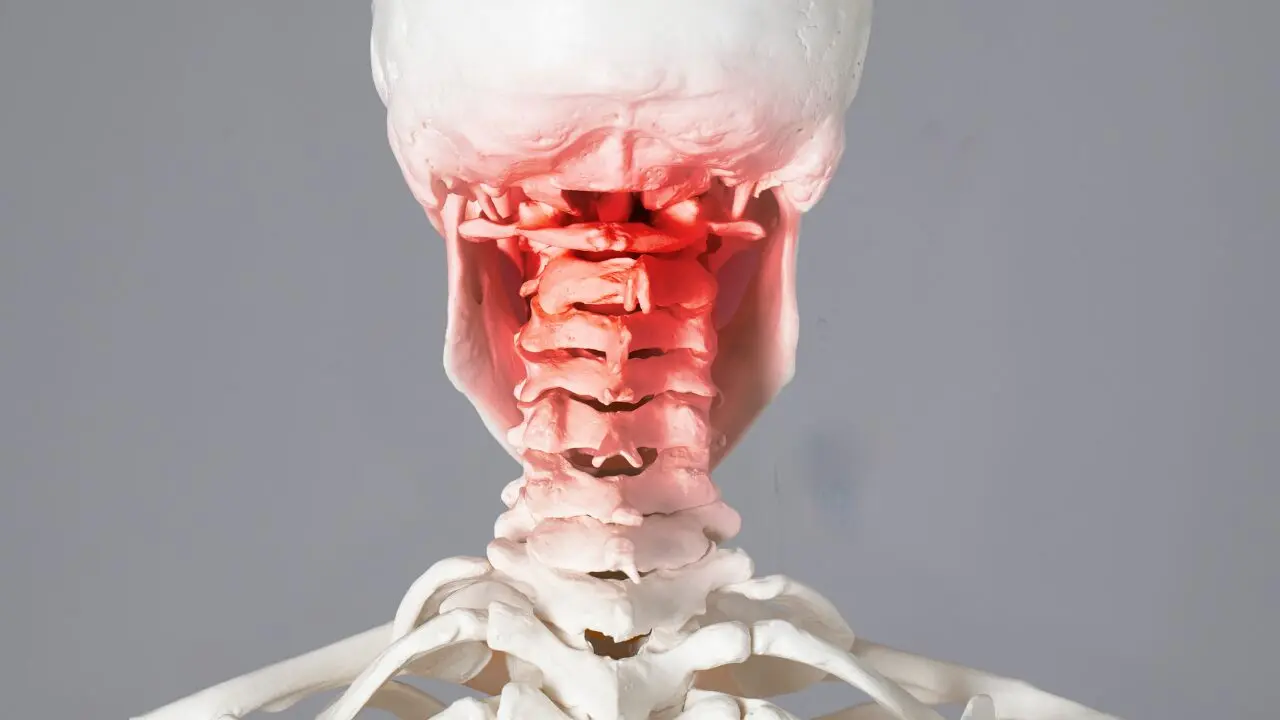
Cervicogenic Dizziness is a condition where dizziness or a sense of imbalance arises due to issues in the cervical spine (neck region). Unlike dizziness caused by inner ear disorders or neurological conditions, cervicogenic dizziness originates from abnormal signals transmitted from the neck’s proprioceptors (sensory receptors that detect movement and position). These faulty signals interfere with the body’s ability to maintain balance, resulting in dizziness, unsteadiness, and sometimes headaches.
Patients often describe cervicogenic dizziness as a sensation of lightheadedness, unsteadiness, or feeling “off-balance,” especially when moving the head or neck. Since the cervical spine plays a key role in integrating sensory information between the eyes, ears, and proprioceptive system, dysfunction in this region can disrupt balance control.
At DMPhysios, a leading clinic in Noida specializing in spine and sports conditions, patient-centered rehabilitation programs are carefully designed to address such complex disorders. Cervicogenic dizziness requires a holistic approach where the root cause is treated rather than just the symptoms.
Symptoms
The symptoms of cervicogenic dizziness can often overlap with other causes of dizziness, making diagnosis challenging. However, some key features include:
- Dizziness or unsteadiness that worsens with neck movements.
- Neck pain or stiffness accompanying the dizziness.
- Headaches, often tension-type or cervicogenic in origin.
- Reduced range of motion in the neck.
- Imbalance while walking or standing.
- Visual disturbances such as blurred vision.
- Feeling of disorientation without spinning vertigo (distinguishing it from inner ear causes).
- Symptoms that may persist for minutes to hours depending on activity.
In most cases, symptoms improve when the neck is stabilized and worsen when the neck is strained or moved suddenly.
Types of Cervicogenic Dizziness
Though cervicogenic dizziness is not classified into strict “types,” it can be described based on underlying mechanisms:
- Proprioceptive Cervicogenic Dizziness – Caused by faulty input from cervical joint and muscle proprioceptors leading to imbalance.
- Vascular-related Cervicogenic Dizziness – Due to compromised blood flow in the vertebral arteries from cervical spine issues (such as cervical spondylosis).
- Post-traumatic Cervicogenic Dizziness – Occurs after whiplash injuries, sports trauma, or falls that affect the neck.
Understanding the underlying mechanism is crucial for effective treatment at centers like DMPhysios, where each patient’s case is individually assessed.
Causes
Several cervical spine issues can trigger cervicogenic dizziness, including:
- Cervical spondylosis (age-related degeneration).
- Whiplash injuries from car accidents or sports trauma.
- Poor posture, especially forward head posture from prolonged desk work.
- Muscle strain or tension in the neck muscles.
- Cervical disc herniation.
- Vertebral artery compression or reduced blood flow.
- Temporomandibular joint (TMJ) dysfunction influencing cervical biomechanics.
The root cause often lies in disrupted proprioceptive signaling from the cervical spine to the brain, creating a mismatch between sensory inputs from the eyes, ears, and neck.
Risk Factors
Certain factors increase the likelihood of developing cervicogenic dizziness:
- Age: Degenerative changes in the cervical spine are common in older adults.
- Occupational strain: Jobs requiring prolonged sitting, desk work, or overhead activities.
- Sports injuries: Contact sports or repetitive overhead movements.
- History of whiplash or cervical trauma.
- Poor posture habits.
- Pre-existing neck conditions like arthritis or cervical disc disease.
- Stress and anxiety, which increase muscle tension in the neck.
At DMPhysios, risk factor modification is a key part of rehabilitation to ensure long-term recovery and prevention of recurrence.
Treatment
Treatment typically involves a multidisciplinary approach targeting both symptoms and root causes. Options include:
- Medical Treatment:
- Pain relief through NSAIDs or muscle relaxants.
- In rare cases, injections for severe inflammation.
- Treating underlying cervical spine disorders such as arthritis or disc herniation.
- Lifestyle Modifications:
- Correcting posture during sitting, standing, and working.
- Ergonomic adjustments at the workplace.
- Stress management to reduce muscle tension.
- Physiotherapy Treatment (Detailed):
Physiotherapy is considered the most effective treatment for cervicogenic dizziness, as it addresses the root biomechanical and proprioceptive dysfunction. At DMPhysios, the physiotherapy program is highly individualized and evidence-based.
Key Physiotherapy Interventions:- Manual Therapy:
Gentle mobilizations, soft tissue release, and joint manipulations are used to restore cervical mobility and relieve stiffness. Techniques such as Mulligan mobilization or Maitland mobilization are often applied. - Vestibular Rehabilitation:
Exercises designed to retrain the vestibular system and improve balance. These may include gaze stabilization exercises, head movement exercises, and balance training on stable and unstable surfaces. - Proprioceptive Training:
Since faulty proprioception is a major cause of cervicogenic dizziness, targeted training helps restore accurate neck position sense. This may involve laser pointer exercises, joint position error correction, and mirror feedback. - Postural Correction:
Specific strengthening of deep neck flexors, scapular stabilizers, and core muscles to support correct alignment. Stretching tight muscles like the upper trapezius and levator scapulae is equally important. - Strengthening Exercises:
Progressive resistance training for cervical muscles, shoulder girdle, and thoracic stabilizers to prevent recurrence. - Breathing and Relaxation Techniques:
To reduce neck tension and improve oxygenation. - Home Exercise Program:
Patients at DMPhysios are guided with customized home programs for long-term maintenance.
- Manual Therapy:
Prevention
Prevention revolves around maintaining a healthy neck and posture:
- Adopt ergonomic work setups to reduce forward head posture.
- Regular breaks during desk work to stretch and move.
- Neck and shoulder strengthening exercises as part of fitness routines.
- Avoid sudden jerky movements of the neck.
- Manage stress levels to prevent chronic muscle tension.
- Seek timely physiotherapy care for minor neck pains before they progress.
At DMPhysios, patients are educated on preventive care strategies and lifestyle modifications to reduce the risk of recurrence.
Conclusion
Cervicogenic Dizziness is a challenging condition that significantly affects daily life, balance, and confidence. Unlike dizziness from ear or brain disorders, it originates from the cervical spine, making accurate diagnosis and targeted treatment essential.
The good news is that with the right approach—particularly physiotherapy-led rehabilitation—patients can recover effectively. At DMPhysios, Noida’s trusted clinic for spine and sports conditions, patient-centered rehabilitation ensures that every individual receives a tailored program that not only treats the symptoms of cervicogenic dizziness but also prevents recurrence through long-term postural correction, strengthening, and lifestyle guidance.If you or someone you know is experiencing cervicogenic dizziness, do not ignore the symptoms. Early intervention can make all the difference. Reach out to DMPhysios in Noida for comprehensive, patient-centered care and take the first step toward a healthier, balanced life.