

Redefining Care in Physiotherapy
Supporting Differently-Abled Patients with Dignity
Article Overview
- Why Dignity Matters in Physiotherapy
- The Challenges Differently-Abled Patients Face in Physiotherapy
- Redefining Care: What It Means in Practice
- How DMPhysios Is Leading This Redefinition
- Making Physiotherapy Interactive for Differently-Abled Patients
- Stories That Inspire
- The Bigger Picture: Inclusivity in Healthcare
- Practical Tips for Differently-Abled Patients and Families
- Conclusion
Physiotherapy has long been recognized as a science that restores movement, reduces pain, and improves quality of life. But beyond its clinical role, physiotherapy also carries a deeply human responsibility—to ensure that every patient, including differently-abled individuals, receives care with respect, empathy, and dignity.
At DMPhysios, a leading clinic in Noida specializing in spine and sports conditions, this philosophy isn’t just an idea—it’s the foundation of their approach. Their patient-centered rehabilitation model is designed to ensure that differently-abled patients don’t just receive treatment but also feel empowered, valued, and included in the journey of healing.
In this blog, we explore how physiotherapy is redefining care for differently-abled patients, the barriers they often face, and how DMPhysios is playing a key role in making rehabilitation more inclusive, accessible, and respectful.
Why Dignity Matters in Physiotherapy
Let’s pause for a moment and reflect: when we think about physiotherapy, we often picture exercises, stretching, or hands-on therapy. But if you ask a differently-abled person what they truly seek from rehabilitation, their answers often extend beyond physical function.
- They want to feel seen and respected.
- They want to be partners in their recovery, not passive recipients.
- They want therapy environments that are welcoming and barrier-free.
Unfortunately, many healthcare systems still fall short. Differently-abled patients may encounter inaccessible clinics, hurried consultations, or a lack of tailored exercises that match their unique needs. Such experiences don’t just affect physical health—they can erode confidence, independence, and dignity.
This is where a redefinition of care becomes essential. Physiotherapy must evolve from being purely clinical to being holistic, inclusive, and person-centered.
The Challenges Differently-Abled Patients Face in Physiotherapy
To truly redefine care, it’s important to first understand the challenges differently-abled individuals often face:
1. Physical Barriers
- Clinics that lack wheelchair access, ramps, or wide hallways.
- Equipment that isn’t adjustable for patients with varying mobility levels.
2. Social Barriers
- The stigma attached to disability often influences how patients are treated in healthcare.
- Some patients feel dismissed or underestimated by providers.
3. Communication Gaps
- Patients with hearing or speech impairments may struggle to engage fully in sessions.
- Lack of patience or resources to facilitate communication leads to exclusion.
4. Emotional and Psychological Impact
- Constantly facing accessibility issues may lead to feelings of frustration or hopelessness.
- Fear of being judged can prevent patients from seeking therapy altogether.
5. One-Size-Fits-All Treatments
- Physiotherapy programs designed without customization fail to address unique abilities, causing discomfort or even injury.
The truth is simple: dignity in care isn’t just about physical treatment—it’s about breaking these barriers and ensuring patients feel respected at every step.
Redefining Care: What It Means in Practice
Redefining care for differently-abled patients is not a theoretical idea—it’s practical, tangible, and deeply impactful. It means transforming physiotherapy into an inclusive partnership.
Here’s what this looks like in action:
1. Accessibility as a Standard, Not an Afterthought
- Barrier-free entryways, wide treatment rooms, and adaptive equipment.
- Creating safe, comfortable spaces where every patient can participate fully.
2. Tailored Rehabilitation Plans
- Instead of fitting patients into standard exercise models, physiotherapists design programs around their specific needs and goals.
- For example, a patient with cerebral palsy may benefit from aquatic therapy for safe movement, while someone with a spinal cord injury may need advanced mobility training.
3. Patient Involvement in Decisions
- Encouraging patients to voice their goals, preferences, and comfort levels.
- Shared decision-making fosters dignity, independence, and empowerment.
4. Training Physiotherapists in Sensitivity
- Building awareness of the emotional, psychological, and social aspects of disability.
- Teaching therapists to see the patient as a whole person, not just a diagnosis.
5. Integration of Technology
- Tele-rehabilitation for patients unable to travel.
- Adaptive devices and virtual therapy tools that promote independence.
6. Holistic Support Beyond Exercises
- Counseling, caregiver education, and lifestyle guidance.
- Addressing the social and emotional well-being of patients alongside physical recovery.
How DMPhysios Is Leading This Redefinition
At DMPhysios, the philosophy of care goes far beyond traditional rehabilitation. Their approach integrates clinical expertise, patient dignity, and inclusivity in every interaction.
1. Barrier-Free Access
The clinic is designed with accessibility in mind—wheelchair-friendly spaces, adaptive equipment, and therapy setups that welcome all patients.
2. Patient-Centered Customization
Each rehabilitation program at DMPhysios is uniquely crafted. For example:
- Patients with muscular dystrophy may receive low-intensity strengthening with respiratory support.
- Stroke survivors are guided through progressive gait and balance training that adapts to their pace.
3. Empathy-Driven Care
Physiotherapists at DMPhysios are trained not just in medical expertise but also in compassionate communication and inclusive practices. Every session acknowledges the patient’s voice.
4. Technological Integration
DMPhysios uses tele-rehabilitation, ensuring that patients in rural or distant areas can access expert guidance without facing travel challenges. This is particularly transformative for differently-abled patients who may find clinic visits exhausting or difficult.
5. Community and Family Engagement
Rehabilitation doesn’t stop at the clinic. DMPhysios educates families and caregivers, empowering them to support differently-abled patients at home with proper exercises and emotional care.
6. Special Programs for Differently-Abled Patients
From posture correction in wheelchair users to strength training for children with developmental conditions, DMPhysios develops inclusive therapy solutions that redefine what rehabilitation can achieve.
Making Physiotherapy Interactive for Differently-Abled Patients
One of the most powerful tools in redefining care is making therapy interactive, engaging, and motivating. At DMPhysios, sessions aren’t monotonous—they are designed to be dynamic and patient-driven.
Here are some interactive strategies:
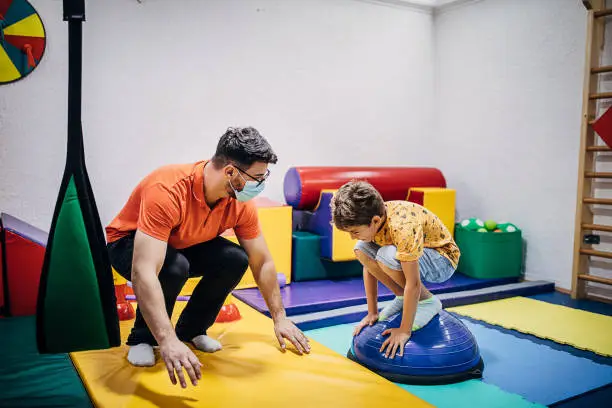
- Gamified Exercises: Using balance boards, obstacle courses, or even virtual reality tools to make therapy enjoyable.
- Patient Feedback Loops: Regular check-ins to adjust exercises based on comfort and progress.
- Group Sessions: Encouraging social interaction by bringing together differently-abled patients for shared therapy activities.
- Celebrating Small Wins: Recognizing progress—no matter how small—boosts confidence and motivation.
This interactive model doesn’t just improve physical outcomes—it nurtures emotional resilience and social confidence.
Stories That Inspire
While every patient’s journey is unique, the philosophy remains the same: support with dignity.
- A young man with a spinal cord injury regained partial mobility and, more importantly, confidence to return to college—thanks to a customized program at DMPhysios.
- A child with cerebral palsy learned playful, interactive exercises that improved balance while reducing therapy-related anxiety.
- An elderly patient with post-stroke hemiplegia found new independence in daily living through home-based caregiver-assisted programs.
Each story reflects how physiotherapy, when seen through the lens of Redefining Care, can restore not just movement but also hope and identity.
The Bigger Picture: Inclusivity in Healthcare
Redefining Care care for differently-abled patients is also part of a larger movement towards inclusive healthcare in India. With growing awareness, clinics like DMPhysios are setting new standards for patient dignity and accessibility.
- Policy Push: Government initiatives are encouraging better disability-friendly infrastructure.
- Technology Growth: Tele-rehabilitation and assistive devices are expanding access.
- Changing Attitudes: Healthcare providers are recognizing that dignity is as important as diagnosis.
DMPhysios stands at this intersection of policy, innovation, and empathy—demonstrating how Redefining Care can inspire wider change across Noida and beyond.
Practical Tips for Differently-Abled Patients and Families
If you or a loved one is seeking physiotherapy, here are some things to keep in mind:
- Choose an Inclusive Clinic: Look for barrier-free access, trained staff, and patient-centered approaches.
- Communicate Openly: Share your goals, fears, and comfort levels with your therapist.
- Ask About Customization: Ensure that therapy is adapted to your specific condition.
- Explore Tele-Rehabilitation: If travel is difficult, ask about online therapy options.
- Involve Caregivers: Family support plays a big role in long-term success.
And most importantly—remember that you have the right to be treated with dignity and respect.
Frequently Asked Questions
Conclusion
Physiotherapy is more than just exercises and stretches—it is a pathway to independence, dignity, and confidence. For differently-abled patients, this care must go beyond the physical to embrace the emotional, social, and human aspects of healing.
At DMPhysios, redefining care isn’t a slogan—it’s daily practice. By creating inclusive spaces, designing personalized rehabilitation programs, and integrating empathy with innovation, they are proving that physiotherapy can be both clinically excellent and deeply humane.
If you or your loved one is seeking not just treatment but also respect, dignity, and empowerment—DMPhysios is here to walk that journey with you. Because at the end of the day, true rehabilitation isn’t just about moving better—it’s about living better.