Overview
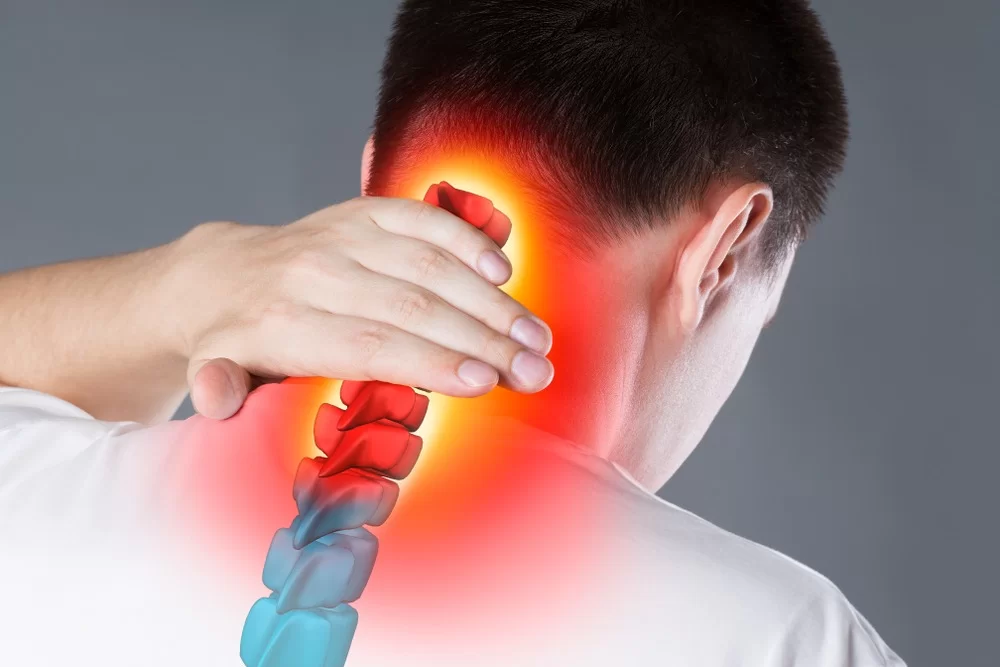
Suboccipital pain is a term used to describe persistent discomfort, tightness, or aching situated at the base of the skull, exactly where the upper neck meets the head. This region—commonly referred to as the suboccipital area—contains a network of small but powerful muscles, delicate ligaments, sensitive nerves, and tiny blood vessels that together play a crucial role in maintaining head posture and enabling precise neck movements such as nodding, rotation, and subtle adjustments during daily activities. Because these structures are constantly active in stabilizing and supporting the head, they are vulnerable to strain, inflammation, and compression. When any one of these tissues becomes irritated or overloaded, people often begin to experience suboccipital pain, which can feel like a dull ache, a sharp pulling sensation, or even radiate upwards into the scalp and forehead or forward behind the eyes, sometimes resembling a tension-type headache.
At DMPhysios, a premier physiotherapy clinic based in Noida that specializes in spine and sports-related conditions, we recognize how disruptive suboccipital pain can be to work, exercise, and quality of life. Our patient-centered approach focuses on comprehensive assessment, identifying the root cause of discomfort, and providing evidence-based rehabilitation strategies tailored to each individual. By understanding the nature of suboccipital pain and the complex anatomy of the region, patients and therapists can work together more effectively to achieve long-term relief and improved neck health.
Symptoms
People experiencing suboccipital pain often describe it as:
- A deep, aching, or burning pain at the base of the skull.
- Localized tenderness over the suboccipital muscles.
- Stiffness or restricted neck movements, especially when rotating or extending the head.
- Headaches starting at the base of the skull and radiating to the top of the head or behind the eyes (commonly called cervicogenic headaches).
- Dizziness, visual disturbances, or mild nausea in some cases due to nerve involvement.
- Sensitivity to prolonged sitting, computer use, or poor posture.
At DMPhysios, our clinicians often see these symptoms co-existing with upper back tightness, shoulder dysfunction, or jaw tension—indicating the interconnected nature of suboccipital pain with other musculoskeletal issues.
Types of Suboccipital Pain
While “suboccipital pain” is generally used as a descriptive term, it can be classified based on the underlying mechanism:
- Muscle-related suboccipital pain
Overuse, tightness, or trigger points in the suboccipital muscles (rectus capitis posterior major/minor, obliquus capitis superior/inferior) lead to local pain and headaches. - Joint-related suboccipital pain
Dysfunction or inflammation of the upper cervical joints (atlanto-occipital and atlanto-axial joints) can refer pain to the suboccipital region. - Nerve-related suboccipital pain
Irritation or compression of the greater occipital nerve or suboccipital nerve may produce sharp or burning pain radiating from the base of the skull. - Postural suboccipital pain
Chronic poor posture, such as forward head position from prolonged screen use, creates sustained tension on the suboccipital muscles leading to persistent pain.
Identifying the type of suboccipital pain is crucial for creating a tailored treatment plan—a principle strongly emphasized at DMPhysios.
Causes
Suboccipital pain can arise from multiple factors:
- Muscle tension or overuse from poor ergonomics, prolonged smartphone use, or carrying heavy backpacks.
- Cervical spine degeneration (arthritis, spondylosis) leading to referred pain in the suboccipital region.
- Whiplash injuries or minor trauma causing soft tissue irritation.
- Stress and anxiety leading to involuntary neck muscle tightening.
- Inadequate pillow support during sleep.
- Repetitive sports activities requiring neck extension (cycling, swimming, tennis).
At DMPhysios, thorough history-taking and physical examination help uncover these root causes to ensure precise treatment, not just symptom relief.
Risk Factors
Certain factors increase the likelihood of developing suboccipital pain:
- Sedentary lifestyle with prolonged desk work.
- Poor postural habits (forward head, rounded shoulders).
- Weak deep neck flexors and tight upper trapezius muscles.
- Previous cervical spine injury or surgery.
- High stress or anxiety levels.
- Vision problems causing constant neck craning.
- Sports with repetitive neck strain.
Addressing these risk factors proactively forms a cornerstone of prevention at DMPhysios, where education and ergonomic counseling are integral parts of therapy.
Treatment
Treatment of suboccipital pain typically involves a combination of self-care, medical, and physiotherapy interventions. The aim is to reduce pain, restore mobility, and prevent recurrence.
1. Rest and Activity Modification
Short-term rest from aggravating activities (like prolonged computer work) combined with gentle neck movements helps reduce irritation.
2. Heat or Cold Therapy
Heat packs ease muscle tightness, while cold packs reduce inflammation in acute stages.
3. Medications
Over-the-counter anti-inflammatories or prescribed muscle relaxants may provide short-term relief. However, they should be complemented with active rehabilitation.
4. Manual Therapy and Physiotherapy
This is the most effective long-term approach. At DMPhysios, individualized physiotherapy programs target the underlying cause rather than masking symptoms.
Physiotherapy Treatment
Because the suboccipital area is small but highly complex, physiotherapy should be performed by trained professionals. At DMPhysios, a Noida-based clinic for spine and sports conditions offering patient-centered rehabilitation, we provide an evidence-based, multifaceted plan for suboccipital pain:
1. Comprehensive Assessment
- Postural evaluation (forward head, scapular alignment).
- Palpation of suboccipital muscles for trigger points.
- Cervical spine range of motion testing.
- Neurological screening if nerve involvement is suspected.
This assessment ensures your therapy targets the true source of suboccipital pain.
2. Manual Therapy Techniques
- Soft tissue release of the suboccipital muscles to decrease tension.
- Myofascial release to improve blood flow and tissue elasticity.
- Joint mobilization of upper cervical segments to restore movement.
- Trigger point therapy to reduce referred headaches.
These hands-on techniques are performed by skilled therapists at DMPhysios to achieve fast symptom relief.
3. Specific Exercises
A. Deep Neck Flexor Strengthening
Weak deep neck flexors contribute to forward head posture. Gentle chin tucks and progressive deep neck flexor training help restore balance between front and back neck muscles.
B. Suboccipital Stretching
Patient lies on the back with the head supported and gently nods the chin to the chest to lengthen tight suboccipital muscles.
C. Scapular Stabilization
Strengthening the mid and lower trapezius plus serratus anterior improves upper body posture, reducing strain on the neck.
D. Thoracic Extension Exercises
Foam roller thoracic extensions open up the chest and reduce compensatory cervical extension.
At DMPhysios, these exercises are taught step-by-step to ensure correct form and gradual progression.
4. Ergonomic and Lifestyle Education
- Proper workstation setup (monitor at eye level, supportive chair).
- Frequent micro-breaks every 30–40 minutes.
- Using the right pillow height for sleeping.
- Stress management strategies such as breathing exercises.
5. Modalities
Short-wave diathermy, ultrasound, or interferential therapy may be used adjunctively to decrease pain and muscle spasm.
6. Gradual Return to Sports and Activities
Athletes are guided through sport-specific drills to safely resume training without triggering suboccipital pain.
Prevention
While treatment is essential, prevention is even more powerful. Individuals can significantly reduce their risk of suboccipital pain by following these tips:
- Maintain proper posture during all activities—work, driving, reading.
- Strengthen deep neck flexors and scapular stabilizers regularly.
- Take frequent breaks from screens and do gentle neck stretches.
- Use ergonomically designed chairs and pillows.
- Manage stress with relaxation techniques or regular exercise.
- Get vision checked to avoid excessive forward head posture.
At DMPhysios, prevention forms a vital part of our rehabilitation philosophy. Patients are not just treated for suboccipital pain but are educated to keep it from coming back.
Conclusion
Suboccipital pain may seem like a minor nuisance at first, but left unaddressed, it can develop into chronic headaches, neck stiffness, and reduced quality of life. Recognizing the symptoms, understanding the underlying causes, and seeking timely care are crucial.
DMPhysios, a premier physiotherapy clinic located in Noida specializing in spine and sports conditions with patient-centered rehabilitation, offers comprehensive assessment, evidence-based manual therapy, customized exercise programs, and ergonomic counseling to effectively manage suboccipital pain.If you’re experiencing persistent suboccipital pain or headaches at the base of your skull, don’t wait for it to worsen. Book an appointment at DMPhysios today and take the first step toward lasting relief and improved neck health. Our team is ready to guide you with personalized care to help you move freely, live pain-free, and prevent future recurrences.