Overview
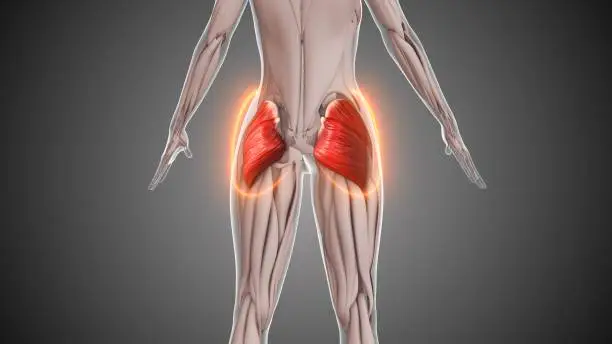
The gluteal muscles, commonly known as the glutes, form one of the largest and most powerful muscle groups in the human body. This trio comprises the gluteus maximus, gluteus medius, and gluteus minimus, each of which performs a distinct but complementary role in movement and posture. Together they stabilize the pelvis, support the spine, and enable a wide variety of essential activities, from walking, climbing, and running to squatting, lifting, and maintaining upright balance. Because of their central role in locomotion and core stability, even minor dysfunction within these muscles can have a ripple effect on the lower back, hips, and legs.
A glutes spasm is an involuntary, often sudden contraction or tightening of one or more of these muscles. This can feel like a cramp, knot, or intense tightening deep within the buttock region. For some, it appears as a sharp, sudden pain after exertion; for others, it may present as ongoing tightness that restricts movement and undermines everyday tasks or athletic performance. Left unaddressed, glute spasm can also lead to compensatory movement patterns, further discomfort, or secondary injuries in neighbouring structures such as the lumbar spine or hamstrings.
At DMPhysios, a premier physiotherapy clinic located in Noida and recognised for its expertise in spine and sports conditions, each case of glutes spasm is approached comprehensively. The clinic’s patient-centred rehabilitation model emphasises not just relieving immediate pain but also identifying the root causes whether they stem from posture, biomechanics, nerve irritation, or training habits and then restoring full function through tailored therapy, corrective exercise, and long-term preventive strategies.
Symptoms
A glutes spasm can present with a range of symptoms, from mild discomfort to severe functional limitation. Common signs include:
- Sudden, sharp pain or cramping sensation in the buttock region.
- Persistent tightness or stiffness in the gluteal muscles.
- Difficulty sitting for prolonged periods.
- Pain radiating to the lower back, hips, or down the leg (sometimes mimicking sciatica).
- Weakness or altered movement patterns during activities like running, climbing stairs, or lifting.
- Local tenderness or palpable knots in the glutes on examination.
Identifying these symptoms early and seeking expert evaluation at DMPhysios can prevent progression and secondary complications.
Types of Glutes Spasm
While glutes spasm is generally described as a single entity, it can be classified based on its characteristics and underlying triggers:
- Acute Glutes Spasm – Sudden onset, often after intense activity, trauma, or poor posture.
- Chronic or Recurrent Glutes Spasm – Persistent or repeated tightness linked to ongoing factors such as poor biomechanics, nerve irritation, or underlying medical conditions.
- Secondary Glutes Spasm – Muscle contraction occurring in response to other issues like lumbar disc herniation, sacroiliac joint dysfunction, or hip pathology.
Understanding the type of glutes spasm helps the physiotherapists at DMPhysios create individualized treatment plans.
Causes
The gluteal muscles are highly active in daily life, making them prone to fatigue and overuse. Some common causes of glutes spasm include:
- Overuse or Intense Exercise: Prolonged running, heavy lifting, or sudden increase in training load can lead to muscle fatigue and spasms.
- Poor Posture: Sitting for long hours with inadequate lumbar or pelvic support strains the glutes, leading to tightness.
- Nerve Irritation: Conditions such as lumbar radiculopathy or piriformis syndrome can irritate nearby nerves, triggering reflex muscle spasms in the glutes.
- Injury or Trauma: Direct impact to the buttock or hip region may cause local muscle spasm.
- Dehydration or Electrolyte Imbalance: Low levels of essential minerals like magnesium or potassium can contribute to muscle spasms.
- Underlying Pathology: Hip osteoarthritis, sacroiliac joint dysfunction, or even post-surgical states can cause compensatory glutes spasm.
At DMPhysios, each patient with glutes spasm undergoes a thorough assessment to pinpoint these contributing factors.
Risk Factors
Certain factors increase the likelihood of developing glutes spasm:
- Sedentary lifestyle with prolonged sitting.
- Poor core or hip stability.
- Previous lower back or hip injuries.
- High-intensity sports without adequate warm-up or stretching.
- Obesity, which increases stress on the pelvis and hips.
- Pregnancy or post-partum changes in pelvic alignment.
- Chronic conditions like lumbar disc herniation or sciatica.
Recognizing and addressing these risk factors forms a key part of the rehabilitation strategy at DMPhysios.
Treatment
Managing glutes spasm effectively involves addressing both the symptoms and the root cause. Early intervention minimizes downtime and prevents recurrence. Common treatment approaches include:
- Rest and Activity Modification: Avoiding aggravating activities while maintaining gentle movement to prevent stiffness.
- Cold or Heat Therapy: Ice packs may reduce acute pain and inflammation, while heat can relax chronic tightness.
- Pain Relief: Over-the-counter analgesics or prescribed medication under medical supervision.
- Massage Therapy: Manual release techniques to reduce muscle tension and improve circulation.
- Hydration and Nutrition: Ensuring adequate fluid and electrolyte intake to reduce the risk of spasms.
- Addressing Underlying Conditions: Treating lumbar spine, hip, or sacroiliac joint issues contributing to glutes spasm.
However, the cornerstone of long-term recovery from glutes spasm lies in a structured, individualized physiotherapy program, as provided at DMPhysios.
Physiotherapy Treatment
At DMPhysios, physiotherapists specialize in patient-centered rehabilitation for spine and sports conditions. The management of glutes spasm typically includes the following stages:
1. Assessment and Diagnosis
A comprehensive evaluation is performed to identify the severity of the spasm, contributing factors (such as posture, movement patterns, or nerve involvement), and any associated conditions. This may involve movement analysis, palpation, and functional tests.
2. Pain and Spasm Reduction
- Soft Tissue Mobilization and Myofascial Release: Techniques like deep tissue massage, trigger point therapy, and instrument-assisted soft tissue mobilization (IASTM) help release tight spots in the glutes.
- Dry Needling: If appropriate, to deactivate trigger points and reduce muscle hyperactivity.
- Electrotherapy or Ultrasound: Used to decrease pain and improve tissue healing.
3. Stretching and Mobility Exercises
Gradual stretching of the glutes helps reduce tightness and restore flexibility. Examples include:
- Supine figure-4 stretch.
- Pigeon pose (modified for comfort).
- Standing hip flexion with glute stretch.
These are prescribed and progressed under supervision at DMPhysios to avoid aggravating symptoms.
4. Strengthening and Activation
Once pain subsides, strengthening exercises are essential to prevent recurrence:
- Glute bridges and single-leg bridges.
- Clamshells for gluteus medius activation.
- Hip thrusts with progressive resistance.
- Lateral band walks to improve hip stability.
Correct activation of glute muscles also helps reduce compensatory stress on the lower back and hamstrings.
5. Posture and Movement Re-education
Training patients to maintain neutral pelvic alignment and optimal movement patterns during daily activities and sports reduces future risk of glutes spasm.
6. Core and Pelvic Stability
Programs to improve abdominal, lumbar, and pelvic floor stability complement gluteal rehabilitation, ensuring the entire kinetic chain functions efficiently.
7. Return-to-Activity / Sport
Gradual reintroduction of sport-specific drills and functional training ensures a safe and confident return to normal life or competitive activity.
With its multidisciplinary approach, DMPhysios not only relieves the immediate pain of glutes spasm but also empowers patients with tools to prevent recurrence.
Prevention
Preventive strategies are crucial for individuals prone to glutes spasm, especially athletes, office workers, and those with previous back or hip problems. Practical tips include:
- Incorporating dynamic warm-ups and cool-down stretches before and after exercise.
- Regular gluteal strengthening exercises to improve endurance.
- Avoiding prolonged sitting; standing and stretching every 30–60 minutes.
- Maintaining proper hydration and balanced electrolyte levels.
- Gradual progression of training load to avoid overuse.
- Ensuring ergonomic workstation setup and proper posture.
- Addressing underlying conditions such as lumbar disc issues promptly with physiotherapy at DMPhysios.
Conclusion
A glutes spasm may seem like a minor inconvenience at first, but if left untreated it can lead to compensatory movement patterns, chronic pain, and reduced performance. Understanding its causes, symptoms, and management strategies is the first step toward recovery.
At DMPhysios, a premier clinic in Noida dedicated to spine and sports conditions with patient-centered rehabilitation, each case of glutes spasm is approached with a comprehensive and individualized plan. From pain relief and manual therapy to corrective exercises and preventive education, the team ensures not just quick relief but long-term functional improvement.
If you or someone you know is experiencing persistent glutes spasm, don’t wait for it to worsen. Book an appointment at DMPhysios today and take the first step toward pain-free movement, improved performance, and lasting wellness.