Overview
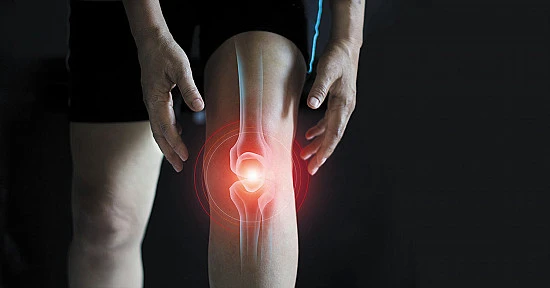
Anterior knee pain refers to pain or discomfort experienced at the front (anterior aspect) of the knee joint. This region includes critical structures such as the patella (kneecap), patellar tendon, quadriceps tendon, joint capsule, and surrounding soft tissues. Because the knee is one of the largest weight-bearing joints in the human body and also one of the most mobile, it is highly vulnerable to stresses from daily activities, sports, and occupational demands. Even small alterations in the way the knee moves or the forces it absorbs can irritate these tissues and lead to anterior knee pain over time.
This condition is not limited to elite athletes. While it is frequently reported by runners, jumpers, and individuals engaged in high-impact sports, it also affects recreational exercisers, office workers who sit for long hours, and people who must squat or kneel repeatedly at work. Activities such as stair climbing, running on uneven surfaces, or simply sitting with the knees bent for prolonged periods can aggravate the discomfort. Overuse, muscle imbalances, and faulty movement patterns often combine to make the anterior structures of the knee sensitive and painful.
At DMPhysios, a leading clinic located in Noida specializing in spine and sports conditions with a focus on patient-centered rehabilitation, anterior knee pain is a frequently encountered problem. The team there understands that this type of pain rarely has a single cause; instead, it results from a complex interaction of biomechanics, training habits, posture, and lifestyle factors. Using detailed assessments, movement analysis, and evidence-based treatment methods, the professionals at DMPhysios create personalized rehabilitation plans to address the underlying reasons for anterior knee pain, not just the symptoms. This holistic, patient-focused approach helps individuals return to their desired activities safely and prevents recurrent issues in the future.
Symptoms
The symptoms of anterior knee pain can vary depending on the underlying cause but generally include:
- Pain or discomfort at the front of the knee, especially during activities like squatting, climbing stairs, or sitting for prolonged periods (“theater sign”).
- Swelling or puffiness around the kneecap.
- Clicking, popping, or grinding sensations (crepitus) while moving the knee.
- Tenderness over the patellar tendon or quadriceps tendon.
- Reduced knee strength, particularly in the quadriceps.
- Pain worsening with physical activity and improving with rest.
Recognizing these symptoms early can help prevent progression of anterior knee pain and improve recovery outcomes. DMPhysios emphasizes patient education and early intervention to minimize complications.
Types of Anterior Knee Pain
Anterior knee pain can be classified into several types based on the underlying structure involved:
- Patellofemoral Pain Syndrome (PFPS): Pain around or behind the kneecap due to abnormal tracking of the patella over the femur.
- Patellar Tendinopathy (Jumper’s Knee): Pain in the patellar tendon just below the kneecap, common in athletes who do repetitive jumping.
- Quadriceps Tendinopathy: Pain at the top of the kneecap where the quadriceps tendon attaches.
- Prepatellar or Infrapatellar Bursitis: Inflammation of the bursae around the kneecap leading to localized swelling and pain.
- Plica Syndrome: Irritation of the synovial folds in the knee causing anterior pain.
- Chondromalacia Patellae: Softening or damage to the cartilage under the kneecap.
By identifying the type of anterior knee pain, the rehabilitation process at DMPhysios becomes more targeted and effective.
Causes
The causes of anterior knee pain are multifactorial. Common contributors include:
- Overuse and Repetitive Stress: Activities like running, jumping, or prolonged squatting can overload the knee structures.
- Muscle Imbalances: Weak quadriceps, hip abductors, or core muscles can alter patellar tracking and lead to pain.
- Poor Biomechanics: Excessive pronation of the foot, valgus alignment of the knee, or improper training techniques.
- Injury or Trauma: Direct impact to the kneecap or surrounding soft tissue.
- Inadequate Warm-up or Flexibility: Tightness in the quadriceps, hamstrings, or iliotibial band increases stress on the knee.
- Structural Abnormalities: High-riding patella (patella alta), shallow femoral groove, or previous knee surgeries.
Addressing these causes is at the heart of DMPhysios’ approach to treating anterior knee pain—focusing on correcting mechanics, strength, and lifestyle habits.
Risk Factors
Certain factors increase the likelihood of developing anterior knee pain:
- Age and Gender: Adolescents and young adults, especially females, are at higher risk due to anatomical and hormonal differences.
- Sports Participation: Activities involving jumping, pivoting, or running.
- Sudden Changes in Training Load: Increasing intensity or duration without proper progression.
- Improper Footwear: Shoes lacking proper support or worn-out soles.
- Occupational Factors: Jobs requiring prolonged kneeling, squatting, or stair climbing.
At DMPhysios, patients are evaluated not only for their current condition but also for these risk factors to prevent recurrences of anterior knee pain.
Treatment
Treatment for anterior knee pain depends on the underlying cause and severity. Common approaches include:
- Activity Modification: Temporarily reducing activities that aggravate pain, like running or jumping.
- Pain Management: Ice application, non-steroidal anti-inflammatory medications (as advised by a physician), and supportive taping.
- Bracing or Patellar Taping: To improve patellar tracking and reduce pain during activities.
- Foot Orthotics: Custom insoles to correct excessive pronation and improve lower limb alignment.
- Education: Guidance on posture, footwear, and activity modification.
However, the cornerstone of managing anterior knee pain is physiotherapy, which addresses the root cause rather than just alleviating symptoms.
Physiotherapy Treatment
DMPhysios, a clinic located in Noida for spine and sports conditions with patient-centered rehabilitation, emphasizes individualized physiotherapy treatment plans for anterior knee pain. Their approach typically includes:
1. Comprehensive Assessment
A detailed evaluation of gait, posture, muscle strength, flexibility, and functional activities to identify the primary source of anterior knee pain.
2. Pain and Inflammation Management
- Ice or cryotherapy to reduce swelling.
- Ultrasound or other electrotherapy modalities to manage pain (if clinically indicated).
- Gentle soft tissue mobilization around the patellar tendon or quadriceps.
3. Strengthening Exercises
- Quadriceps Strengthening: Straight leg raises, mini squats, step-ups.
- Hip Abductor and External Rotator Strengthening: Side-lying leg raises, clamshells, resistance band walks.
- Core Stability Exercises: Planks, dead bugs to improve lumbopelvic control.
4. Stretching and Flexibility
- Hamstring, quadriceps, iliotibial band, and calf stretches to reduce tension around the knee.
- Foam rolling for myofascial release.
5. Patellar Mobilization and Taping
Manual mobilization and taping techniques to correct patellar tracking, often relieving anterior knee pain immediately during activity.
6. Neuromuscular Re-Education
Teaching proper landing mechanics, gait retraining, and movement pattern correction to minimize stress on the knee.
7. Gradual Return to Sport or Activity
A progressive loading program to build tolerance to sports or occupational demands while preventing recurrence.
The physiotherapists at DMPhysios integrate these techniques into a patient-specific plan, ensuring that every individual with anterior knee pain receives personalized and effective care.
Prevention
Preventing anterior knee pain requires a proactive approach:
- Regular Strengthening: Focus on quadriceps, hip, and core muscles to maintain knee stability.
- Flexibility Maintenance: Stretch key muscle groups regularly to reduce undue tension.
- Proper Training Techniques: Gradually increase intensity, volume, and frequency of exercise.
- Supportive Footwear: Replace worn-out shoes and consider orthotics if necessary.
- Warm-up and Cool-down: Incorporate dynamic warm-ups before exercise and cool-down stretches afterward.
- Weight Management: Maintaining a healthy weight reduces load on the knees.
The rehabilitation experts at DMPhysios not only treat anterior knee pain but also educate patients on lifestyle modifications and exercise programs to prevent its recurrence.
Conclusion
Anterior knee pain is a common yet complex condition affecting individuals across all age groups and activity levels. It can significantly impact daily activities, sports participation, and quality of life if left untreated. Understanding its symptoms, types, causes, and risk factors is the first step toward effective management.
At DMPhysios, a premier clinic in Noida specializing in spine and sports conditions with a strong emphasis on patient-centered rehabilitation, anterior knee pain is treated with a holistic approach. From thorough assessment to individualized physiotherapy treatment, the team focuses on addressing the root causes, correcting biomechanical issues, and empowering patients to take control of their recovery.
If you or someone you know is experiencing anterior knee pain, don’t wait for it to worsen. Contact DMPhysios today to schedule an evaluation and begin a customized rehabilitation program designed to restore function, reduce pain, and prevent future injuries.