Overview
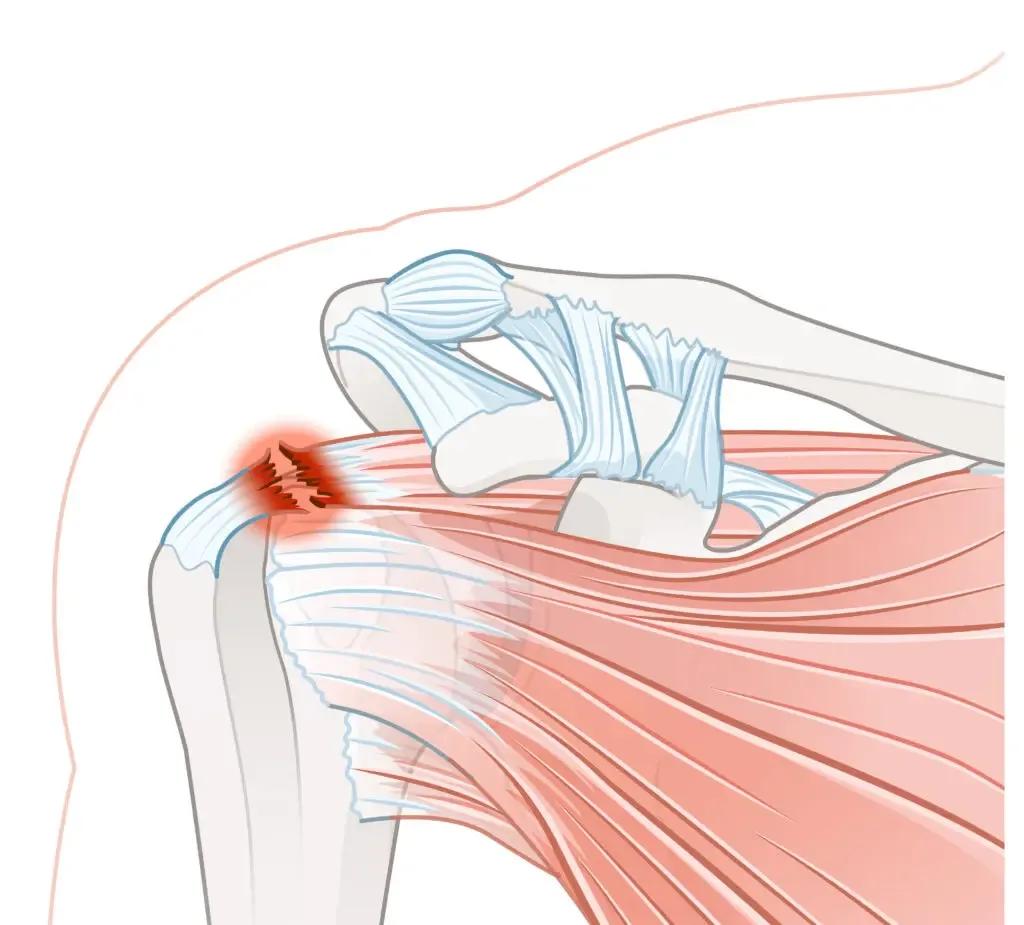
The supraspinatus is one of the four key muscles forming the rotator cuff complex in the shoulder, alongside the infraspinatus, teres minor, and subscapularis. It originates from the supraspinous fossa, a shallow depression on the upper portion of the scapula (shoulder blade), and inserts into the superior facet of the greater tubercle of the humerus.
This unique anatomical positioning allows the supraspinatus to function as both a dynamic mover and a stabilizer of the glenohumeral (shoulder) joint. It is especially crucial during the initial 15–30 degrees of shoulder abduction, the first stage of lifting the arm away from the body, before the deltoid muscle takes over. By working in synergy with the other rotator cuff muscles, it maintains proper alignment of the humeral head within the glenoid cavity, reducing the risk of impingement and instability during daily and sporting activities.
A supraspinatus injury refers to any damage, strain, inflammation, or tearing involving this muscle or its tendon. The spectrum of injury can range from mild irritation and tendonitis caused by repetitive overuse, to partial-thickness tears that weaken the tendon, and even full-thickness ruptures that may severely compromise shoulder function.
Individuals with such injuries often experience pain at the top and outer part of the shoulder, noticeable weakness when lifting the arm, and difficulty performing overhead or reaching movements. Because of the supraspinatus’ critical role in shoulder mechanics, a supraspinatus injury can significantly impact day-to-day tasks such as dressing, lifting, and carrying, as well as sports or work activities that demand upper-limb strength and endurance.
At DMPhysios, a premier clinic located in Noida specializing in spine and sports conditions, patient-centered rehabilitation is at the heart of care. Supraspinatus injuries are approached using comprehensive, evidence-based protocols that blend manual therapy techniques, individualized exercise progression, and preventive education. This multifaceted approach ensures not just pain relief, but also restoration of mobility, strength, and long-term resilience of the shoulder joint, enabling patients to return to their normal activities with confidence.
Symptoms
Recognizing the signs of a supraspinatus injury early helps in prompt treatment and better outcomes. Common symptoms include:
- Shoulder Pain: Typically located at the top and outer side of the shoulder, sometimes radiating down the arm. The pain is worse during overhead movements, reaching, or lifting.
- Weakness: Especially noticeable when lifting the arm sideways or holding it elevated for long periods.
- Limited Range of Motion: Difficulty performing activities such as combing hair, dressing, or reaching high shelves.
- Night Pain: Pain often worsens at night or when lying on the affected shoulder.
- Clicking or Catching Sensation: Some patients experience a “snapping” feeling during shoulder movement.
- Functional Limitations: Reduced ability to perform sports activities like swimming, tennis, or weightlifting, which involve repetitive shoulder actions.
At DMPhysios, physiotherapists use detailed assessments to differentiate a supraspinatus injury from other causes of shoulder pain, ensuring targeted management.
Types of Supraspinatus Injury
Although the term “supraspinatus injury” is often used broadly, it can be classified into distinct types based on the nature of the damage:
- Supraspinatus Tendinitis
- Inflammation of the tendon due to overuse or repetitive strain.
- Common among athletes and individuals with occupations requiring repetitive overhead work.
- Partial-Thickness Tear
- A tear that involves only part of the tendon thickness.
- Symptoms are moderate, but without treatment it can progress to a full tear.
- Full-Thickness Tear (Complete Tear)
- The tendon is completely torn from its insertion point.
- Severe pain and marked weakness occur, often requiring a more intensive rehabilitation approach.
- Chronic Degenerative Tear
- Usually develops slowly due to aging and wear-and-tear.
- Common in older adults or those with long-standing shoulder problems.
DMPhysios, with its team of experienced clinicians, provides individualized care plans based on the type and severity of the supraspinatus injury.
Causes
A supraspinatus injury can arise from several mechanisms, including:
- Repetitive Overhead Activities: Sports like swimming, cricket, badminton, and tennis place high stress on the supraspinatus tendon.
- Acute Trauma: A sudden fall on an outstretched hand, lifting heavy objects awkwardly, or direct impact to the shoulder.
- Degeneration: Age-related weakening of the tendon, making it more prone to tearing.
- Impingement Syndrome: The tendon gets pinched under the acromion, causing friction and micro-tears over time.
- Poor Posture: Rounded shoulders and forward head posture increase strain on the rotator cuff muscles.
- Previous Shoulder Injuries: Existing shoulder instability or rotator cuff weakness predisposes the supraspinatus to injury.
Risk Factors
Certain factors make an individual more vulnerable to developing a supraspinatus injury:
- Age over 40 years
- Participation in overhead sports or occupations (painters, carpenters, mechanics)
- Poor scapular stability or weak rotator cuff muscles
- Inadequate warm-up before physical activity
- History of shoulder dislocation or instability
- Smoking and metabolic conditions (which reduce tissue healing capacity)
The specialists at DMPhysios conduct thorough risk assessments and educate patients on modifying these factors to prevent recurrence.
Treatment
The treatment approach depends on the type and severity of the supraspinatus injury, as well as the patient’s activity level. Most mild to moderate cases respond well to conservative management, while severe or complete tears may require surgical evaluation. Common treatment strategies include:
- Rest and Activity Modification: Avoid movements that aggravate symptoms, especially overhead activities.
- Ice Therapy: Reduces pain and inflammation in acute cases.
- Non-Steroidal Anti-Inflammatory Drugs (NSAIDs): Help manage pain and swelling (as prescribed by a physician).
- Corticosteroid Injections: May be recommended for persistent inflammation.
- Surgery: Indicated in cases of large tears, failure of conservative management, or significant functional impairment.
However, even after medical or surgical interventions, structured physiotherapy remains the cornerstone of recovery. DMPhysios, as a patient-centered clinic in Noida, emphasizes customized rehabilitation plans to restore function and prevent recurrence.
Physiotherapy Treatment
Rehabilitation under the guidance of qualified physiotherapists is critical for the recovery from a supraspinatus injury. At DMPhysios, treatment protocols are designed to reduce pain, restore shoulder strength and mobility, and enhance long-term function. The physiotherapy program typically includes:
1. Initial Phase (Pain and Inflammation Control)
- Rest from aggravating activities
- Cryotherapy (ice packs)
- Gentle pendulum exercises to maintain joint mobility without stressing the tendon
- Soft tissue mobilization to reduce tension around the shoulder
2. Restoration of Range of Motion
- Passive and active-assisted range of motion (ROM) exercises such as wand-assisted flexion and abduction
- Scapular mobility exercises to ensure proper shoulder mechanics
3. Strengthening Phase
Progressive strengthening of the rotator cuff and scapular stabilizers is essential:
- Isometric exercises for the supraspinatus muscle
- Resistance band external rotation, internal rotation, and scaption exercises
- Closed-chain exercises like wall push-ups for scapular control
- Gradual progression to free weights as pain decreases
4. Functional and Sport-Specific Training
- Plyometric drills (if appropriate) for athletes
- Overhead control exercises such as medicine ball throws
- Neuromuscular re-education to improve proprioception and prevent re-injury
5. Posture and Ergonomic Correction
- Education on workplace ergonomics, sleeping positions, and posture correction
- Scapular retraction and thoracic extension exercises to reduce impingement risk
6. Maintenance and Prevention Program
- Home exercise programs tailored to the patient’s goals
- Gradual return-to-sport protocols with objective criteria for progression
By following these stages, DMPhysios ensures that patients with supraspinatus injury not only recover but also regain the confidence to resume their daily and sporting activities safely.
Prevention
Preventive strategies are vital, especially for athletes and individuals engaged in repetitive overhead tasks. Recommendations include:
- Warm-Up and Cool-Down: Always include dynamic stretches and gentle shoulder movements before activity.
- Strengthening Exercises: Regularly train rotator cuff and scapular stabilizer muscles.
- Postural Awareness: Maintain good posture during daily activities and at workstations.
- Gradual Progression: Increase training loads progressively; avoid sudden spikes in intensity.
- Ergonomic Adjustments: Modify tasks to minimize overhead strain.
- Regular Check-Ups: Early consultation at clinics like DMPhysios can identify early signs of shoulder dysfunction and prevent progression.
Conclusion
A supraspinatus injury can significantly affect shoulder function, impacting both daily life and athletic performance. Early recognition, accurate diagnosis, and structured rehabilitation are essential for optimal recovery. With its specialized expertise in spine and sports conditions, DMPhysios in Noida offers comprehensive, patient-centered rehabilitation for individuals with supraspinatus injuries.
If you are experiencing persistent shoulder pain, weakness, or difficulty with overhead activities, don’t ignore the signs. Book an appointment with DMPhysios today to receive an expert assessment and a personalized rehabilitation plan. Taking timely action can make the difference between a chronic shoulder problem and a full return to your active lifestyle.