Overview
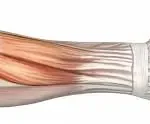
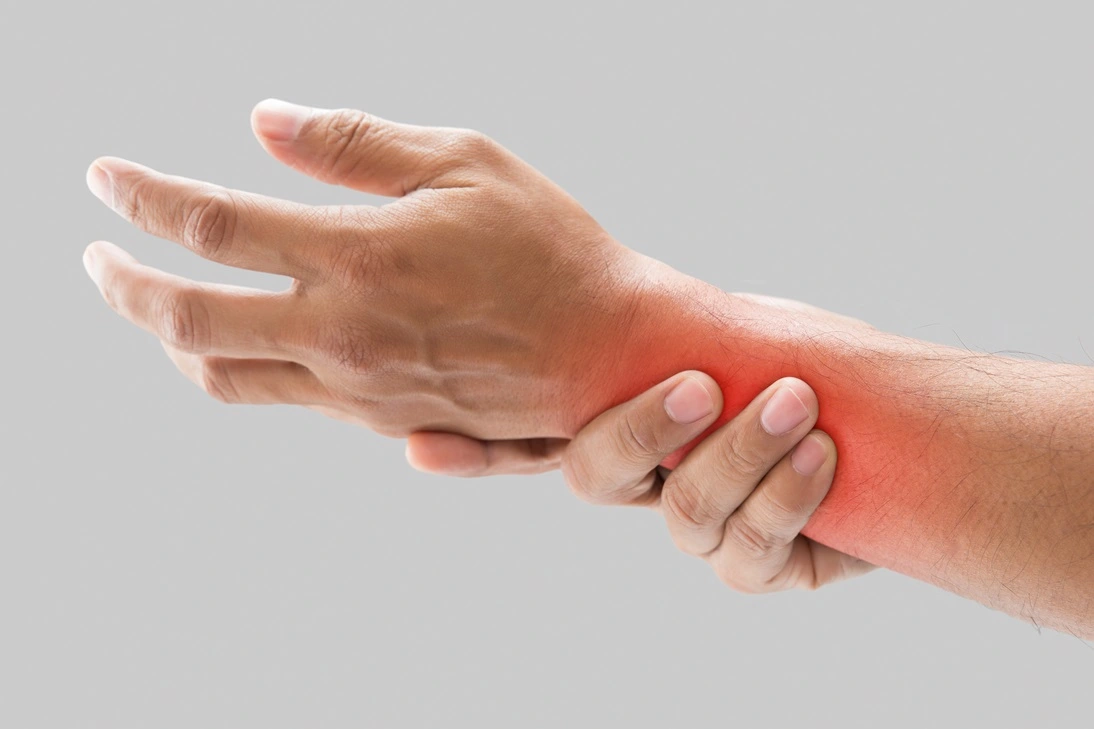
Intersection Syndrome is a relatively uncommon yet clinically important overuse injury that affects the forearm and wrist, particularly on the dorsal (back) side. This condition arises from irritation, inflammation, and friction at a very specific anatomical location where the tendons of the first dorsal compartment, namely the abductor pollicis longus and extensor pollicis brevis, cross over the tendons of the second dorsal compartment, which include the extensor carpi radialis longus and extensor carpi radialis brevis.
This crossover point lies approximately 4-6 centimetres above the wrist joint on the back of the forearm. When these tendons glide repeatedly against each other during activities that require forceful or repetitive wrist and thumb movements, the constant friction leads to localized inflammation, pain, and swelling. Over time, this can cause a noticeable decline in wrist and thumb function, particularly in individuals whose daily activities or sports demand repetitive gripping, lifting, or wrist extension.
At DMPhysios, a renowned Noida-based clinic specialising in spine and sports conditions with a strong emphasis on patient-centred rehabilitation, Intersection Syndrome is regarded as an important but frequently overlooked cause of dorsal wrist pain. Many patients initially mistake their symptoms for other conditions, especially De Quervain’s Tenosynovitis, because both involve pain around the radial side of the wrist.
However, the two disorders differ significantly in their anatomical location and underlying pathology, which means their management strategies also differ. Early and accurate diagnosis at DMPhysios, followed by a structured, evidence-based rehabilitation plan, can dramatically shorten recovery time, restore normal function, and reduce the risk of chronic pain or recurrence.
Symptoms
The hallmark symptom of Intersection Syndrome is pain on the dorsal-radial aspect of the forearm, usually about 4–6 cm proximal to the wrist joint. This pain often appears or worsens during activities requiring repetitive wrist extension, flexion, or gripping.
Common symptoms include:
- Pain or burning sensation at the dorsoradial forearm just above the wrist.
- Swelling and tenderness at the intersection point of the tendons.
- Creaking or squeaking sound (crepitus) during wrist movement due to inflamed tendons rubbing.
- Weakness or discomfort during gripping, lifting, rowing, typing, or racquet sports.
- Symptoms aggravated by forceful or repetitive wrist movements like rowing, skiing, or lifting weights.
- In chronic cases, reduced wrist mobility and pain even during light activities.
Patients at DMPhysios often report pain when performing tasks such as carrying shopping bags, using a computer mouse, or playing sports like tennis or badminton—activities that require repetitive wrist extension.
Types of Intersection Syndrome
Though traditionally described as a single condition, recent literature and clinical practice have highlighted two patterns:
- Proximal (Classic) Intersection Syndrome
This is the most common type, where the pathology occurs at the crossing point of the first and second dorsal compartments, about 4–6 cm proximal to the wrist joint. - Distal Intersection Syndrome
This less common variation occurs further down the wrist, where the second compartment tendons cross over the third compartment (extensor pollicis longus). It presents with similar symptoms but at a different anatomical site.
Recognizing these patterns at DMPhysios helps clinicians tailor their approach to the precise location of inflammation.
Causes of Intersection Syndrome
Intersection Syndrome is fundamentally an overuse injury caused by repetitive friction between crossing tendons. Common causes include:
- Repetitive wrist extension and flexion (rowing, skiing, weightlifting, racquet sports).
- Sudden increase in training intensity or repetitive workload without proper conditioning.
- Occupational activities like painting, carpentry, typing, or assembly line work requiring repetitive wrist movements.
- Improper ergonomics or poor wrist posture during prolonged activities.
- Previous wrist injury or tendinitis making tendons more susceptible to irritation.
At DMPhysios, careful history-taking often reveals a trigger activity or recent change in workload leading to the onset of Intersection Syndrome.
Risk Factors
Certain factors increase susceptibility to Intersection Syndrome:
- Athletes in sports like rowing, tennis, weightlifting, skiing, and gymnastics.
- Office workers or manual laborers with repetitive wrist use.
- Poor wrist biomechanics or improper technique in sports.
- Lack of adequate warm-up or conditioning before high-load activities.
- Prior wrist/forearm injuries or chronic overuse conditions.
- Age group 20–50 years, when occupational and athletic activities are most intense.
At DMPhysios, special emphasis is placed on educating at-risk individuals—especially athletes and working professionals—about preventive strategies to reduce their risk of Intersection Syndrome.
Treatment
Most cases of Intersection Syndrome can be managed conservatively with early recognition. Treatment goals include reducing inflammation, relieving pain, restoring function, and preventing recurrence.
Key treatment options include:
1. Activity Modification
- Reduce or temporarily stop the aggravating activity.
- Modify training schedules or techniques.
- Use ergonomic adjustments in workstations or sports equipment.
2. Immobilization
- Use a wrist splint or thumb spica splint to reduce tendon movement and allow healing.
- Usually worn for 2–3 weeks, especially during acute pain phases.
3. Non-Steroidal Anti-Inflammatory Drugs (NSAIDs)
- Short-term NSAIDs can help control pain and inflammation.
4. Ice Therapy
- Application of cold packs for 10–15 minutes several times a day to reduce swelling and pain.
5. Corticosteroid Injections
- Considered for persistent cases unresponsive to conservative therapy.
- Injected at the intersection point under ultrasound guidance to ensure accuracy.
6. Surgery
- Rarely required, reserved for refractory cases where conservative management fails.
- Involves surgical release of the constricted sheath or debridement of inflamed tissue.
At DMPhysios, the emphasis is on non-invasive, patient-centered treatment strategies with a strong focus on structured rehabilitation.
Physiotherapy Treatment
Physiotherapy plays a crucial role in both the recovery and prevention of Intersection Syndrome. At DMPhysios, each treatment plan is tailored to the patient’s condition, sport, or occupation.
1. Initial Phase (Pain and Inflammation Control)
- Cryotherapy: Regular cold packs to decrease inflammation.
- Electrotherapy: Use of modalities such as ultrasound or TENS to reduce pain and promote healing.
- Splinting: A custom wrist splint or supportive taping to offload the tendons.
- Gentle Range of Motion (ROM) Exercises: Pain-free wrist and finger ROM to prevent stiffness.
2. Intermediate Phase (Gradual Mobilization and Strengthening)
- Soft Tissue Mobilization: Gentle massage or myofascial release around the forearm extensor tendons to reduce adhesions.
- Stretching Exercises: Forearm extensor and flexor stretches to restore tendon length and flexibility.
- Isometric Strengthening: Low-load isometric contractions of the wrist extensors to begin tendon loading without aggravating symptoms.
3. Advanced Phase (Functional Strength and Return to Activity)
- Progressive Resistance Exercises: Using resistance bands or light weights for wrist extension, radial deviation, and grip strengthening.
- Eccentric Training: Gradual eccentric loading of the wrist extensors to improve tendon resilience.
- Proprioceptive Training: Exercises to improve wrist control, especially for athletes (e.g., ball catch and release, balance drills for upper limb).
- Activity-Specific Drills: Tailored exercises mimicking sport or work tasks to ensure readiness for return to activity.
4. Ergonomic and Technique Correction
- Assessment of workstations, sports technique, and equipment by physiotherapists at DMPhysios.
- Education on posture, grip, and wrist alignment to minimize recurrence.
5. Gradual Return to Sport / Work
- Once pain-free with good strength and mobility, patients progress to graded return to sport or work duties under supervision.
Home Program
- Patients at DMPhysios receive a personalized home exercise program with videos and instructions to reinforce clinic-based therapy.
Prevention
Prevention strategies are central to long-term success. At DMPhysios, patients and athletes are taught to:
- Warm up adequately before sports or heavy wrist activities.
- Gradually increase training loads instead of sudden spikes.
- Use ergonomic equipment at workstations or in sports.
- Strengthen wrist and forearm muscles regularly.
- Maintain flexibility of forearm extensors and flexors.
- Take frequent breaks during repetitive tasks.
- Seek early physiotherapy intervention at the first sign of pain to prevent chronicity.
Conclusion
Intersection Syndrome is an overuse injury of the forearm tendons that, if left untreated, can significantly impair daily and athletic activities. Recognizing its unique symptoms, pain and swelling at the dorsal forearm about 4-6 cm above the wrist is key to differentiating it from other wrist conditions like De Quervain’s Tenosynovitis. Early diagnosis, activity modification, and a structured rehabilitation program are the cornerstones of successful treatment.
At DMPhysios, a premier clinic in Noida for spine and sports conditions with patient-centered rehabilitation, we specialize in diagnosing and treating Intersection Syndrome through evidence-based physiotherapy, ergonomic guidance, and individualized exercise programs. Our multidisciplinary approach ensures not only recovery but also prevention of recurrence, empowering patients to return to their activities stronger and pain-free.
If you are experiencing persistent wrist or forearm pain, don’t wait for it to become chronic. Contact DMPhysios today to schedule an assessment and begin a personalized rehabilitation plan for Intersection Syndrome. Our team of experts is dedicated to helping you regain pain-free movement and optimal performance.