Overview
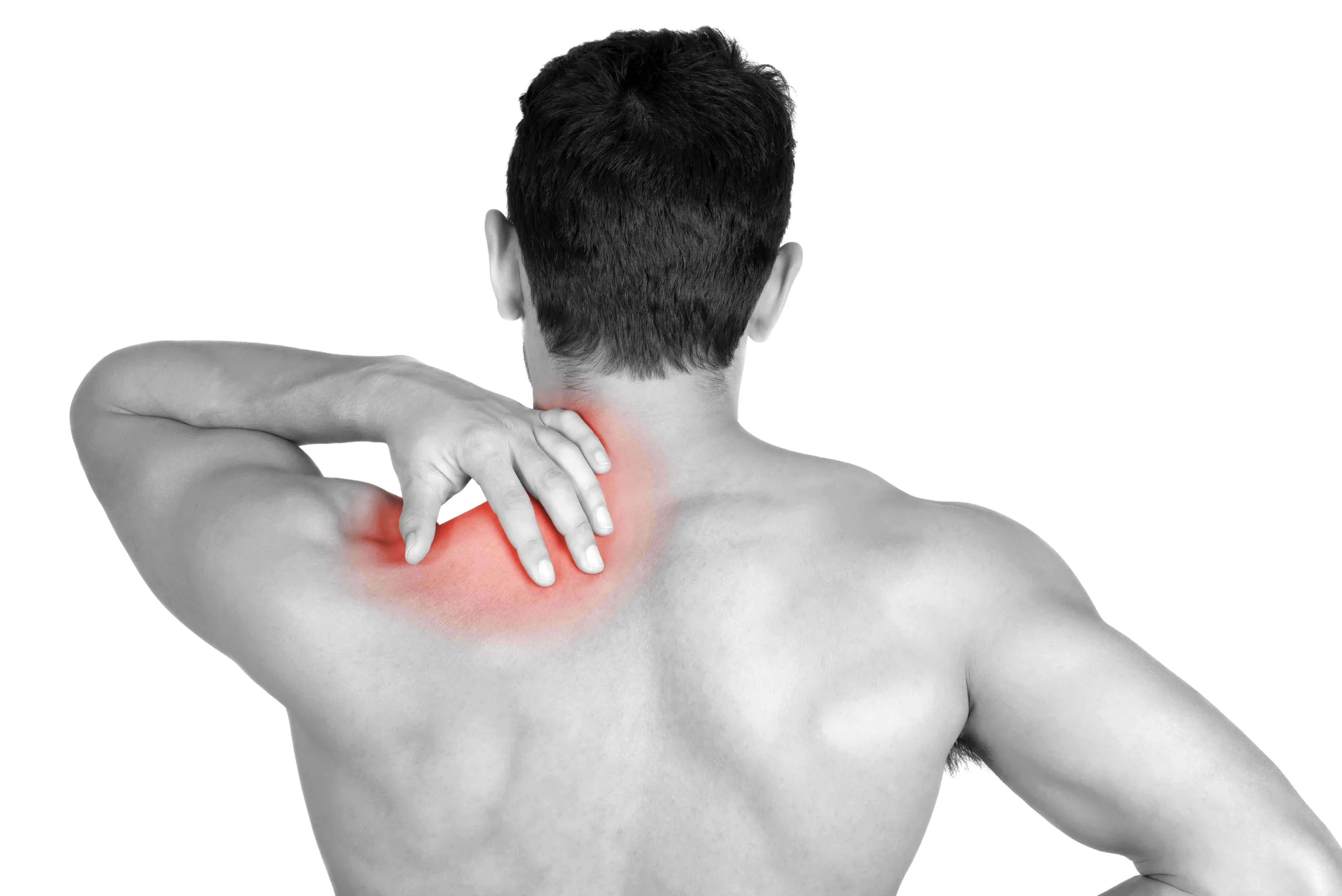
The trapezius muscle is a broad, triangular-shaped muscle that stretches from the base of the skull, runs across the shoulders, and extends down into the middle portion of the back. It is one of the most important muscles for upper body movement and posture. Functionally, the trapezius is responsible for stabilizing and controlling the shoulder blades (scapulae), which in turn allows for efficient arm and shoulder movements. Everyday actions such as shrugging, rotating the shoulders, lifting objects overhead, extending the neck, or simply maintaining an upright posture are all dependent on a healthy trapezius muscle.
When the fibers of this muscle become overstretched, irritated, or partially torn, the condition is referred to as a Trapezius strain. This type of injury can develop either from a single sudden force, such as heavy lifting or a whiplash movement or from long-term overuse, like spending hours at a desk with poor posture. The severity of a Trapezius strain can vary widely. In mild cases, it may present as slight discomfort and muscle tightness that improves in a few days with rest. However, more significant strains may result in sharp pain, swelling, stiffness, and considerable difficulty in moving the neck or shoulders freely.
Because the trapezius is constantly active during both routine and athletic activities, it is particularly vulnerable to strain injuries. Office workers who spend long hours on computers often develop postural overload of the trapezius, while athletes may experience acute strain from repetitive overhead movements or sudden forceful exertions. Even stress and tension can contribute, as the trapezius is one of the muscles most affected by emotional strain, often leading to tightness and pain in the neck and shoulders.
At DMPhysios, a specialized rehabilitation clinic located in Noida that focuses on spine and sports conditions, expert physiotherapists understand the multifaceted role of the trapezius muscle. Their patient-centered rehabilitation programs are designed not only to relieve pain and restore full function after a Trapezius strain but also to address underlying causes, correct posture, and prevent recurrence. This holistic approach ensures long-term recovery and helps patients return safely to both daily activities and athletic performance.
Symptoms
A Trapezius strain can manifest with a wide range of symptoms depending on the severity. Some of the most common signs include:
- Pain and tenderness along the upper back, shoulders, or base of the skull.
- Muscle tightness and stiffness, making it difficult to move the head or shoulders.
- Swelling or localized inflammation in the upper back or neck region.
- Muscle spasms that cause sudden tightening and sharp pain.
- Limited range of motion in the shoulders, neck, or upper spine.
- Headaches, often tension-related, originating from the upper trapezius.
- Postural changes, such as rounded shoulders or a forward head posture, due to muscle guarding.
- In severe cases, radiating discomfort into the arms or mid-back.
Identifying these symptoms early can prevent progression of the injury and aid in faster recovery.
Types of Trapezius Strain
Healthcare professionals often classify Trapezius strain into three grades based on the extent of muscle fiber damage:
- Grade I (Mild Strain):
- Microscopic tearing of muscle fibers.
- Mild discomfort, slight stiffness, and minimal impact on function.
- Typically resolves in 1–2 weeks with proper care.
- Grade II (Moderate Strain):
- Partial tearing of the muscle fibers.
- Moderate pain, swelling, spasms, and noticeable weakness.
- Recovery may take several weeks.
- Grade III (Severe Strain):
- Complete rupture of the muscle or tendon fibers.
- Severe pain, swelling, and significant loss of function.
- May require prolonged rehabilitation or, in rare cases, surgical intervention.
Causes
Several factors can lead to the development of a Trapezius strain, including:
- Overuse injuries from repetitive movements such as lifting, pulling, or prolonged typing.
- Sudden trauma or accidents, like falls or whiplash injuries.
- Poor posture, especially forward head and rounded shoulders from prolonged screen use.
- Heavy lifting with improper technique, straining the muscle fibers.
- Sports activities, particularly those involving throwing, swimming, or weightlifting.
- Stress and tension, which often cause involuntary tightening of the trapezius muscle.
- Sleeping in awkward positions, leading to neck and shoulder stiffness.
Risk Factors
Certain individuals are more prone to developing a Trapezius strain due to lifestyle, occupational, or health-related reasons. Common risk factors include:
- Office workers with sedentary jobs and poor ergonomics.
- Athletes, especially swimmers, rowers, and weightlifters.
- Individuals with weak postural muscles (core and back).
- People with chronic stress, leading to habitual shoulder tension.
- Improper warm-up or lack of stretching before physical activity.
- Older adults, due to natural loss of muscle elasticity.
- Previous history of shoulder or neck injuries, increasing susceptibility.
Treatment
The management of Trapezius strain depends on its severity but generally follows a conservative approach:
- Rest and Activity Modification
- Avoid activities that aggravate symptoms.
- Maintain gentle movement to prevent stiffness.
- Ice and Heat Therapy
- Ice packs (first 48 hours) to reduce inflammation.
- Heat therapy after acute phase to relax tight muscles.
- Pain Relief Medication
- NSAIDs like ibuprofen or paracetamol to reduce pain and swelling.
- Massage Therapy
- Gentle soft tissue massage to relieve tension and improve circulation.
- Postural Correction
- Ergonomic adjustments at workstations.
- Awareness of sitting and standing posture.
- Stretching and Strengthening Exercises
- Gentle stretches to restore mobility.
- Strengthening of surrounding muscles to support the trapezius.
- Medical Interventions (rare)
- Corticosteroid injections or surgery, only in persistent and severe cases.
Physiotherapy Treatment
Physiotherapy plays the most vital role in the recovery from a Trapezius strain, as it addresses both pain relief and long-term prevention. At DMPhysios in Noida, a patient-centered rehabilitation approach ensures that treatment is tailored to individual needs. Key components include:
1. Pain Relief Modalities
- Ultrasound therapy to reduce inflammation and promote healing.
- TENS (Transcutaneous Electrical Nerve Stimulation) for pain modulation.
- Manual therapy techniques, including soft tissue mobilization.
2. Stretching Exercises
- Upper trapezius stretch: Gently tilting the head to the opposite side while keeping shoulders relaxed.
- Levator scapulae stretch: Turning the head downward toward the opposite armpit.
- Neck side bends and rotations to restore mobility.
3. Strengthening Exercises
- Scapular retraction exercises to strengthen the middle trapezius.
- Shoulder shrugs with light resistance for upper trapezius activation.
- Resistance band exercises to improve stability and endurance.
- Core strengthening to improve posture and reduce compensatory strain.
4. Postural Training
- Ergonomic corrections for desk workers.
- Training in neutral spine alignment and scapular positioning.
- Use of postural taping or kinesiology tape for proprioceptive feedback.
5. Functional Rehabilitation
- Sport-specific or work-related retraining.
- Education on proper lifting and movement techniques.
- Gradual return to daily activities and physical performance.
At DMPhysios, therapists closely monitor progress and progressively adjust exercise intensity to ensure safe recovery and prevention of re-injury.
Prevention
Preventing a Trapezius strain is far more effective than treating it after it occurs. Key preventive strategies include:
- Maintain good posture while sitting, standing, and working.
- Ergonomic setup for workstations, ensuring monitor height and chair support are appropriate.
- Regular stretching during long hours of desk work.
- Strengthening of back and shoulder muscles to support the trapezius.
- Stress management techniques, such as breathing exercises or yoga.
- Proper warm-up and cool-down before and after physical activity.
- Avoid carrying heavy bags on one shoulder, which overloads the trapezius.
- Prioritize rest and recovery after strenuous activities.
Conclusion
A Trapezius strain is a common yet often underestimated injury that can disrupt daily life, cause persistent discomfort, and affect productivity. While mild strains can resolve with rest and self-care, moderate to severe cases require structured rehabilitation. The role of physiotherapy is invaluable in ensuring pain relief, restoring mobility, strengthening the muscle, and preventing recurrence.
At DMPhysios, a leading clinic in Noida specializing in spine and sports rehabilitation, treatment programs for Trapezius strain are tailored to the patient’s unique needs. With a patient-centered approach, the clinic emphasizes not only recovery but also long-term prevention and lifestyle correction.
If you are experiencing persistent neck or shoulder pain that might indicate a Trapezius strain, do not ignore the symptoms. Early diagnosis and intervention can make a significant difference in your recovery journey.
Contact DMPhysios in Noida today for expert evaluation and personalized rehabilitation to overcome Trapezius strain and restore your active lifestyle.