Overview
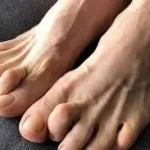
Talipes calcaneus is a deformity of the foot where the ankle is excessively dorsiflexed, meaning the toes point upward and the heel bears most of the body’s weight. In simple terms, the foot is positioned so that the heel is lower than the front of the foot, often giving the appearance that the person is walking on their heels. This condition may be present at birth (congenital) or develop later due to nerve or muscle disorders (acquired).
Unlike other types of talipes such as Talipes equinus (toe-walking posture) or Talipes varus (inward turning of the foot), Talipes calcaneus involves excessive upward bending of the foot at the ankle joint. It can affect one or both feet and can range from mild postural deformities to severe structural changes leading to functional disability.
At DMPhysios, a renowned physiotherapy and rehabilitation center in Noida specializing in spine and sports conditions, experts frequently manage complex foot deformities like Talipes calcaneus through customized, patient-centered rehabilitation programs.
Symptoms
The symptoms of Talipes calcaneus vary depending on the severity and underlying cause. Common signs include:
- Foot posture changes: The foot points upward with the heel touching the ground while the forefoot may lift off.
- Difficulty walking: The person may experience an unstable gait, walking primarily on the heels.
- Heel pain or tenderness: Continuous pressure on the heel leads to pain, calluses, or even skin breakdown.
- Reduced ankle mobility: Dorsiflexion (upward bending) is increased, but plantar flexion (downward bending) is limited.
- Muscle weakness: The calf muscles (gastrocnemius and soleus) often appear weak or atrophied.
- Abnormal shoe wear pattern: The posterior part of the shoe wears out quickly due to excessive heel pressure.
- Functional limitations: Running, jumping, or pushing off the toes becomes difficult.
In children with congenital Talipes calcaneus, parents may notice that the baby’s foot rests against the front of the leg or cannot be pointed downward normally.
Types of Talipes Calcaneus
Although Talipes calcaneus itself is a specific deformity, it can be categorized based on cause and associated conditions:
- Congenital Talipes Calcaneus:
- Present at birth due to developmental abnormalities of muscles, bones, or nerves.
- Often seen in association with other deformities like congenital vertical talus or clubfoot variants.
- Acquired Talipes Calcaneus:
- Develops later in life as a result of trauma, nerve injury, or neuromuscular conditions.
- Commonly seen after poliomyelitis, spinal cord lesions, or following Achilles tendon over-lengthening.
- Postural Talipes Calcaneus:
- A mild, flexible form often seen in infants due to intrauterine positioning.
- Usually corrects spontaneously or with gentle physiotherapy.
- Rigid Talipes Calcaneus:
- A more severe and fixed deformity due to bone or joint abnormalities.
- Often requires surgical or intensive rehabilitative management.
Causes
There are several potential causes for Talipes calcaneus, depending on whether it is congenital or acquired:
- Congenital Causes:
- Intrauterine malposition: Improper fetal positioning within the womb can lead to deformity.
- Genetic factors: Inherited connective tissue or muscular abnormalities.
- Developmental anomalies: Abnormal muscle tone or imbalanced development between the calf muscles and dorsiflexors.
- Acquired Causes:
- Neuromuscular disorders: Conditions like poliomyelitis, cerebral palsy, or spinal cord injuries can cause weakness or paralysis of the calf muscles, leading to unopposed dorsiflexion.
- Achilles tendon injuries: Over-lengthening or rupture of the Achilles tendon shifts the balance toward dorsiflexion.
- Improper casting or surgical complications: Overcorrection during clubfoot treatment can result in Talipes calcaneus.
- Trauma: Fractures or dislocations around the ankle joint altering normal muscle and tendon mechanics.
Risk Factors
Certain factors can increase the likelihood of developing Talipes calcaneus:
- Family history of congenital foot deformities
- Maternal infections or drug exposure during pregnancy
- Premature birth or low amniotic fluid levels
- Neuromuscular disorders such as spina bifida or poliomyelitis
- Inappropriate management of other foot deformities
- Weakness of the calf muscles or overactivity of dorsiflexors
At DMPhysios, the rehabilitation team always conducts a comprehensive evaluation to identify such risk factors, allowing for a customized and preventive approach to Talipes calcaneus management.
Treatment
Treatment for Talipes calcaneus depends on age, severity, and underlying cause. The goals are to correct deformity, restore normal foot alignment, and regain functional mobility.
1. Conservative (Non-Surgical) Management
- Stretching and Manipulation:
In newborns and infants, gentle stretching and manipulation help reposition the foot and restore balance between dorsiflexors and plantar flexors. - Serial Casting:
Progressive casting is done to gradually bring the foot into a normal position. Each cast slightly corrects the deformity over several weeks. - Orthotic Devices:
- Heel wedges or plantar flexion braces help maintain proper foot position.
- In older children or adults, customized ankle-foot orthoses (AFOs) prevent recurrence.
- Taping Techniques:
Kinesio or rigid taping may be used to encourage plantar flexion and reduce excessive dorsiflexion.
2. Surgical Management
Surgery is considered in severe or rigid cases of Talipes calcaneus that do not respond to conservative measures. Procedures may include:
- Tendon transfer or lengthening: Balancing the forces between calf and dorsiflexor muscles.
- Osteotomy: Realignment of bone deformities in severe cases.
- Arthrodesis: Joint fusion in chronic, rigid deformities for stability.
After surgery, physiotherapy at DMPhysios plays a crucial role in post-operative recovery, helping restore movement, strength, and function.
Physiotherapy Treatment
Physiotherapy is the cornerstone of treatment for both congenital and acquired Talipes calcaneus. At DMPhysios, Noida, physiotherapists design individualized programs combining manual therapy, strengthening, stretching, and gait training to achieve optimal results.
1. Assessment and Evaluation
- Detailed examination of range of motion, muscle strength, and gait pattern.
- Identification of contributing factors such as muscle imbalance or neurological deficits.
- Use of gait analysis tools and postural assessment systems available at DMPhysios.
2. Stretching Exercises
- Dorsiflexor muscle stretching: Targeting tibialis anterior and toe extensors to reduce overactivity.
- Passive plantar flexion stretches: To maintain joint flexibility and promote balance between opposing muscle groups.
- Gentle mobilization of the ankle joint to prevent stiffness.
3. Strengthening Exercises
- Calf strengthening:
- Heel raises (starting in supported positions).
- Theraband plantar flexion exercises.
- Towel scrunching or marble pickup for intrinsic foot muscles.
- Core and proximal stability exercises: To support gait and balance.
- Electrical muscle stimulation may be used for weakened plantar flexors in severe cases.
4. Gait Training
- Correcting heel-dominant walking pattern.
- Using treadmill training or mirror feedback to retrain normal gait mechanics.
- Gradual progression to functional walking and running activities.
5. Balance and Proprioception Training
- Single-leg stands on balance boards or foam surfaces.
- Activities to improve coordination and reduce fall risk.
6. Orthotic and Taping Support
- Custom orthotics fabricated at DMPhysios help redistribute pressure and maintain alignment.
- Taping supports functional positioning during rehabilitation.
7. Patient Education and Home Exercise Program
- Educating patients and parents (for pediatric cases) on daily stretching and strengthening routines.
- Importance of proper footwear to avoid recurrence.
- Regular follow-ups to monitor progress and modify the rehabilitation plan.
The physiotherapy team at DMPhysios ensures that every Talipes calcaneus patient receives evidence-based and patient-centered rehabilitation care, promoting long-term recovery and functional independence.
Prevention
While congenital cases cannot always be prevented, certain steps can minimize the risk or severity of Talipes calcaneus:
- Prenatal care: Proper maternal health, avoiding harmful medications or infections during pregnancy.
- Early screening: Early detection in newborns allows prompt physiotherapy intervention.
- Avoid overcorrection: During treatment of other deformities like clubfoot, care should be taken not to cause excessive dorsiflexion.
- Strength maintenance: Regular calf strengthening exercises and proper footwear for children.
- Timely rehabilitation: Immediate physiotherapy after nerve or muscle injuries to prevent secondary deformities.
At DMPhysios, early physiotherapy screening programs for children and post-injury rehab plans help in preventing complications like Talipes calcaneus before they become permanent.
Conclusion
Talipes calcaneus is a foot deformity that, if left untreated, can significantly affect mobility, posture, and quality of life. However, with early diagnosis, appropriate management, and structured physiotherapy, patients can achieve full functional recovery.
For anyone dealing with Talipes calcaneus or similar lower limb deformities, expert evaluation and individualized rehabilitation are essential.
At DMPhysios, a leading physiotherapy clinic in Noida specializing in spine and sports conditions, the focus is always on patient-centered rehabilitation. The team provides holistic care, combining manual therapy, exercise science, and evidence-based physiotherapy, to ensure patients regain strength, mobility, and confidence.
If you or your child is showing signs of Talipes calcaneus, don’t delay seeking professional care. Visit DMPhysios, Noida, for comprehensive assessment and personalized treatment to help restore your foot’s natural function and prevent long-term complications.