
From Surgery to Full Mobility
Why Physiotherapy Is the Real Key After a Knee Replacement
Article Overview
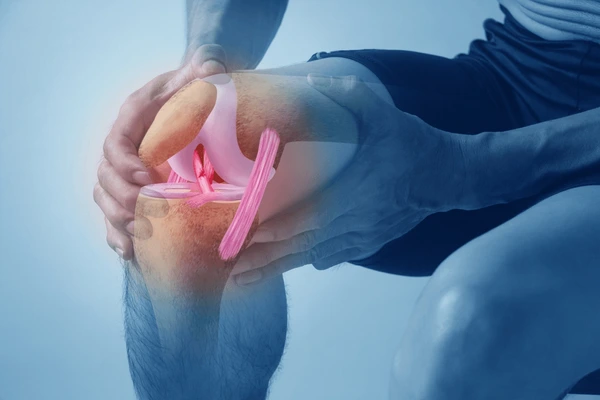
From Surgery to Full Mobility: Why Physiotherapy Is the Real Key After a Knee Replacement
A
Total Knee Replacement (TKR) can be life-changing for people struggling with chronic knee pain, stiffness, and limited mobility. While the surgical procedure replaces the damaged joint with an artificial one, the real transformation happens after the operation. This is where physiotherapy becomes the backbone of recovery . Without the right rehabilitation, even a perfectly executed surgery cannot deliver its full potential.
This blog explains why physiotherapy is vital after TKR, how it supports recovery, when it should begin, and how long it typically takes to return to full mobility.
1. Why Physiotherapy Is Essential After Total Knee Replacement
Knee replacement surgery gives the joint a new structure, but it does not automatically restore movement. The muscles, ligaments, and tissues around the knee need time and training to function properly again. Physiotherapy ensures that the new joint moves smoothly and the body adapts safely to the changes.
a. It Restores Mobility and Flexibility
Immediately after surgery, the knee tends to feel stiff. Without proper movement, scar tissue can develop, limiting how much the knee can bend or straighten. Physiotherapy helps prevent this by gradually improving flexibility. The long-term goal is to reach:
Full knee extension
Comfortable bending of 120° or more
This range of motion is essential for walking, sitting, climbing stairs, and performing daily activities.
b. It Rebuilds Strength Around the Knee
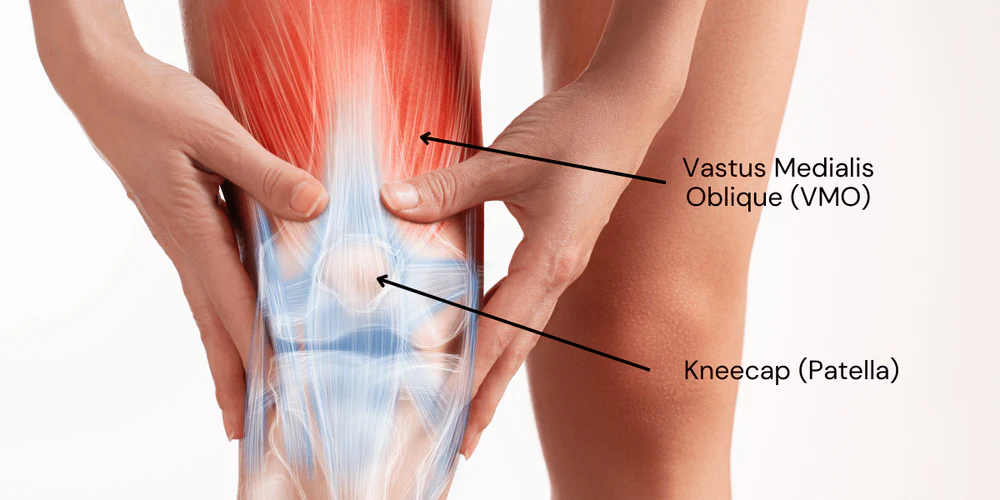
The muscles supporting the knee—especially the quadriceps and glutes—become weak due to pain, years of poor movement patterns, and the surgical procedure itself. Weak muscles can compromise the stability of the new joint.
Physiotherapy focuses on:
- Activating weak muscles
- Strengthening major muscle groups
- Retraining the body to bear weight properly
This creates a stable foundation for walking and other movements.
c. It Reduces Swelling and Pain
Swelling is a normal response after knee surgery, but too much swelling can delay recovery. Physiotherapists use techniques such as:
- Cold therapy
- Elevation and compression
- Manual mobilization
- Controlled exercises to enhance circulation
These help reduce pain and speed up the healing process.
d. It Corrects Gait and Improves Balance
Most patients develop an abnormal walking pattern before surgery due to pain. Even after getting a new knee, the body may continue using the old compensation patterns. Physiotherapy helps retrain proper gait by focusing on:
- Weight distribution
- Smooth stepping
- Core stability
- Balance and coordination
With consistent training, patients regain a natural, steady walk.
e. It Prevents Post-Surgical Complications
Inactivity after TKR can lead to several complications such as:
- Deep vein thrombosis
- Reduced mobility
- Joint stiffness
- Muscle tightness
Early and guided physiotherapy reduces these risks by promoting safe movement and strengthening.
f. It Speeds Up the Return to Normal Life
Physiotherapy is designed to get patients back to daily routines faster—whether that means climbing stairs, doing household work, driving, or eventually returning to recreational activities. With proper rehabilitation, most individuals regain independence much sooner than expected.
2. How Physiotherapy Helps After TKR
Physiotherapy is not just a set of exercises—it is a structured program that adapts to the patient’s healing timeline. Each stage of recovery has specific goals and treatments designed to restore normal function gradually and safely.
a. Early Stage (Day 1 to Week 2): Laying the Foundation
Rehabilitation often begins just 24 hours after the surgery. Early physiotherapy focuses on:
- Gentle movement to prevent stiffness
- Improving blood circulation
- Building confidence in weight-bearing
Common exercises include:
- Ankle pumps
- Deep breathing exercises
- Quadriceps activation
- Assisted knee bending (heel slides)
- Short walks with a walker
These basic movements help reduce swelling, activate key muscles, and restore early mobility.
b. Middle Stage (Weeks 3 to 6): Building Strength and Stability
Once the knee begins to tolerate movement better, the physiotherapy plan becomes more challenging. Goals during this phase include:
- Improving knee bend and extension
- Strengthening surrounding muscles
- Enhancing balance
Exercises often include:
- Straight leg raises
- Stationary cycling
- Step-up training
- Light resistance training
- Controlled balance exercises
This stage is important because it activates muscles that protect and stabilize the knee during functional activities.
c. Advanced Stage (Weeks 6 to 12): Rebuilding Real-Life Function
At this point, patients begin transitioning back into their daily routines. Physiotherapy now focuses on activities that mimic real-world movements:
- Stair climbing practice
- Longer walks
- Single-leg balance
- Strength training with resistance bands or weights
- Gait training without support
By gradually increasing the load on the knee, patients regain confidence, mobility, and endurance.
d. Final Stage (3 to 12 Months): Returning to Full Activity
This stage prepares the patient for long-term functionality and low-impact recreational activities. Physiotherapy includes:
- Advanced strengthening
- Posture and alignment correction
- Joint mobility drills
- Training for cycling, swimming, or brisk walking
The focus here is not just recovery, but also protecting the knee replacement for the long term.
3. When Should Physiotherapy Start After Total Knee Replacement?
Physiotherapy should ideally start within the first 24 hours of the surgery. Early mobilization has been shown to lead to better outcomes, faster recovery, and fewer complications.
Day 1 to Day 3
- Sit up in bed
- Stand with support
- Take short, assisted steps
- Begin basic muscle activation exercises
Week 1
- Increase walking distance
- Start gentle knee bending
- Begin gait and posture correction
Delaying physiotherapy can result in stiffness, prolonged pain, and slower recovery. Early movement sets the foundation for the entire rehabilitation journey.
4. How Long Does Full Recovery Take After TKR?
Recovery from knee replacement is unique to each person. Factors like age, fitness level, surgical technique, weight, and participation in physiotherapy all influence the timeline.
Here is a general overview:
First 2 Weeks
- Swelling starts decreasing
- Walking with support becomes easier
- Knee bending reaches around 70–80°
- Patients can perform basic home exercises independently
Weeks 3 to 6
- Walking improves significantly
- Knee flexion reaches 90–110°
- Climbing stairs becomes manageable
- Pain reduces dramatically
Weeks 6 to 12
- Most people walk without support
- Knee mobility approaches 120°
- Strength and balance improve
- Driving becomes possible
3 to 6 Months
- Comfortable long-distance walking
- Participation in low-impact sports
- Muscle strength returns to near-normal levels
Full Recovery: 6 to 12 Months
Although many people feel “almost normal” by 3–6 months, complete recovery generally takes up to a year . By this time, the body has adapted to the artificial joint, muscles are stronger, and movement is smooth and pain-free.
Final Thoughts
A Total Knee Replacement can dramatically improve quality of life, but the surgery alone doesn’t guarantee full recovery. The success of a knee replacement depends heavily on physiotherapy. Through structured exercises, mobility training, strength building, and gait correction, physiotherapy ensures that the new knee functions correctly and lasts for many years.
Think of it this way:
The surgeon gives you a new joint, but physiotherapy teaches you how to use it.
With dedication, guidance, and the right rehabilitation approach, patients can return to daily life with confidence, mobility, and a pain-free knee.