Overview
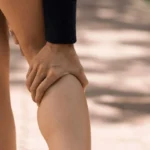
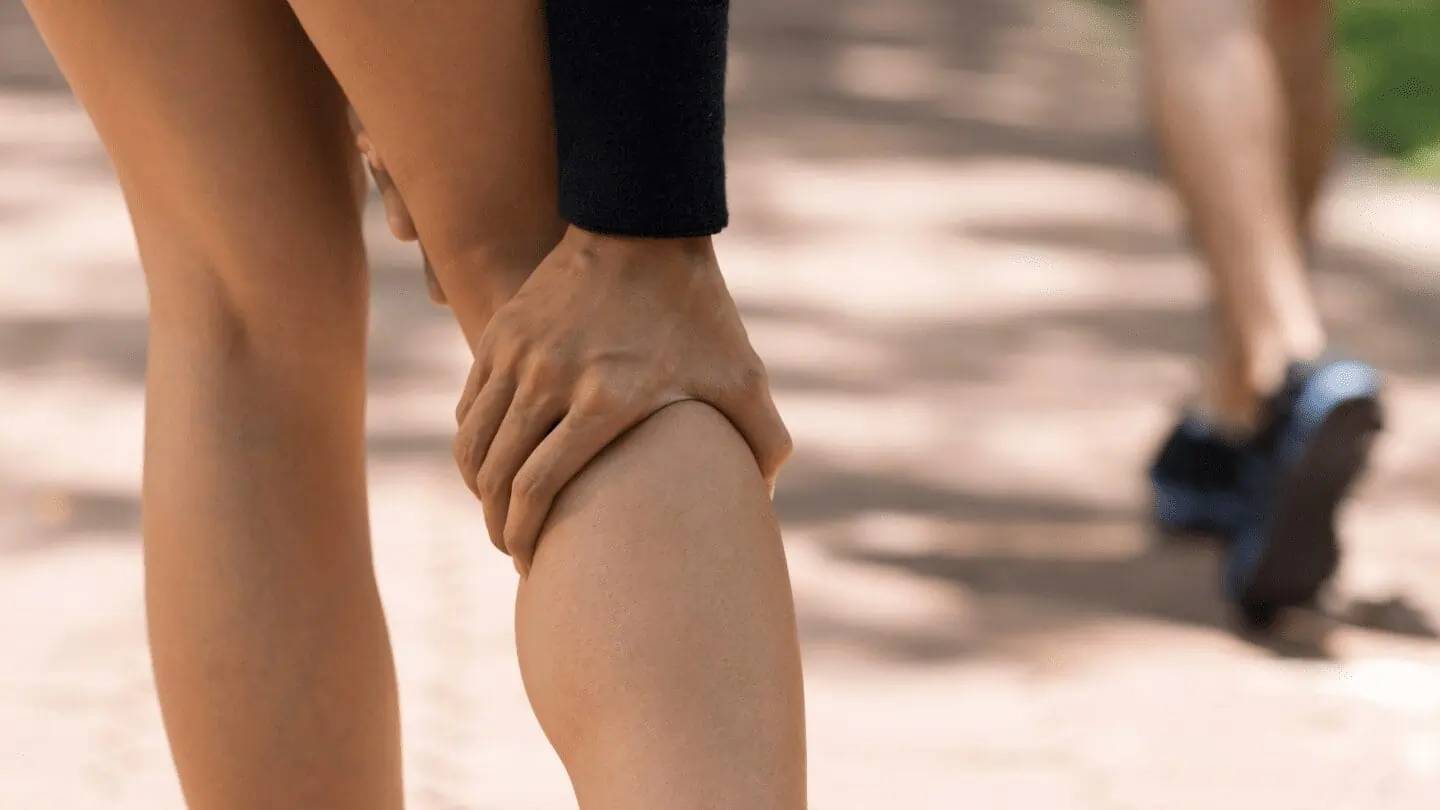
Posterior knee pain is frequently mistaken for ligament injuries, meniscal tears, or the early stages of arthritis, leading many underlying causes to go unnoticed. One such commonly overlooked contributor to pain at the back of the knee is a popliteus strain. Although the popliteus muscle is small and lies deep within the posterior aspect of the knee, it plays a vital role in maintaining knee stability and ensuring smooth, coordinated movement. This muscle is especially active during everyday activities such as walking and running, as well as more demanding actions like downhill walking, sudden deceleration, or changing direction.
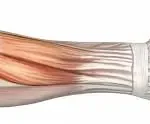
A popliteus strain occurs when the popliteus muscle or its tendon becomes overstretched or partially torn due to excessive load, repetitive stress, or poor movement mechanics. Anatomically, the popliteus muscle helps “unlock” the knee from a fully straightened position, allowing the knee to bend smoothly. It also provides important rotational control of the tibia over the femur during weight-bearing activities. When this muscle is injured, even routine movements can become painful and inefficient, often resulting in persistent posterior knee pain, a feeling of instability, and difficulty performing both daily tasks and sports-related activities.
At DMPhysios, a clinic located in Noida for spine and sports conditions that delivers patient-centered rehabilitation, popliteus strain is frequently identified in runners, field-sport athletes, and individuals with faulty lower-limb biomechanics such as poor gait patterns, muscle imbalances, or altered foot posture. Because the symptoms can closely mimic other knee conditions, early and accurate diagnosis is essential. With timely assessment and a structured physiotherapy program, most cases of popliteus strain recover well, allowing patients to regain confidence, stability, and pain-free knee function.
Symptoms
The symptoms of a popliteus strain can vary depending on the severity of injury, but they often present subtly, making diagnosis challenging. Common symptoms include:
- Pain at the back of the knee, especially deep and central
- Discomfort while walking downhill or downstairs
- Pain during knee extension from a bent position
- Feeling of knee instability or “giving way”
- Pain while running, especially during deceleration
- Tenderness on palpation behind the knee
- Mild swelling in the posterior knee region
- Stiffness after prolonged sitting or inactivity
In chronic cases, untreated popliteus strain may mimic meniscal pathology or early osteoarthritis. This is why expert clinical assessment at DMPhysios is essential to avoid misdiagnosis and delayed recovery.
Types of Popliteus Strain
Popliteus strain can be classified based on severity and tissue involvement:
1. Grade I (Mild Popliteus Strain)
- Microtears in muscle fibers
- Mild pain with activity
- No significant loss of strength or stability
2. Grade II (Moderate Popliteus Strain)
- Partial muscle or tendon tear
- Pain during walking and knee movement
- Swelling and tenderness present
- Difficulty with sports or prolonged activity
3. Grade III (Severe Popliteus Strain)
- Complete rupture (rare)
- Severe pain and instability
- Significant functional limitation
- May require advanced rehabilitation or surgical opinion
At DMPhysios, grading of popliteus strain is done through detailed biomechanical assessment and clinical testing to design a targeted rehabilitation plan.
Causes
A popliteus strain usually occurs due to repetitive stress or sudden overload rather than a single traumatic event. Common causes include:
- Sudden twisting of the knee while weight-bearing
- Running downhill or on uneven surfaces
- Poor foot biomechanics (over-pronation)
- Excessive internal rotation of the tibia
- Sudden deceleration during sports
- Inadequate warm-up before activity
- Previous knee injuries altering movement patterns
Athletes involved in football, running, hiking, cricket, and basketball are particularly prone to popliteus strain due to repetitive rotational forces at the knee.
Risk Factors
Certain individuals are more vulnerable to developing a popliteus strain, including:
- Runners and endurance athletes
- People with flat feet or abnormal gait
- Weak hip and gluteal muscles
- Poor core stability
- History of knee ligament or meniscal injury
- Improper footwear
- Sudden increase in training intensity
At DMPhysios, clinicians assess the entire kinetic chain from foot to pelvis to identify and correct these risk factors rather than just treating symptoms.
Treatment
Treatment of a popliteus strain depends on severity and duration of symptoms.
Acute Phase Management
- Activity modification and relative rest
- Ice application to reduce pain and inflammation
- Compression and elevation if swelling is present
- Temporary avoidance of aggravating activities
Medical Management
- Pain-relieving medications if prescribed
- Imaging in persistent or unclear cases
However, rest alone is not sufficient. Without physiotherapy, popliteus strain often becomes chronic due to unresolved biomechanical issues.
Physiotherapy Treatment
Physiotherapy is the cornerstone of recovery from a popliteus strain. At DMPhysios, patient-centered rehabilitation is designed to restore function, strength, and movement efficiency.
1. Pain and Inflammation Management
- Cryotherapy or contrast therapy
- Soft tissue mobilization
- Myofascial release around posterior knee
- Electrotherapy if indicated
2. Mobility and Flexibility Restoration
- Gentle knee range-of-motion exercises
- Posterior capsule mobilization
- Hamstring and calf flexibility work
- Controlled tibial rotation drills
3. Strengthening Phase
Strengthening is progressive and targeted:
- Isometric popliteus activation
- Hamstring and quadriceps strengthening
- Hip abductors and external rotators training
- Closed kinetic chain exercises
- Functional knee stabilization drills
Weak hips and poor neuromuscular control are common contributors to popliteus strain recurrence, which is why DMPhysios emphasizes whole-body integration.
4. Gait and Biomechanical Correction
- Gait retraining
- Foot posture assessment
- Orthotic advice if needed
- Running mechanics correction
5. Sports-Specific Rehabilitation
- Agility and change-of-direction drills
- Plyometric progression
- Return-to-sport testing
- Endurance conditioning
This comprehensive approach ensures that popliteus strain heals completely and does not recur.
Prevention
Preventing a popliteus strain requires attention to movement quality and conditioning:
- Proper warm-up before exercise
- Strengthening hips, core, and knees
- Avoid sudden training load increases
- Wear appropriate footwear
- Address foot and gait abnormalities
- Include flexibility and mobility training
- Early physiotherapy for knee discomfort
Regular biomechanical assessments at DMPhysios help detect early dysfunction before it progresses into a popliteus strain.
Conclusion
A popliteus strain may be small in size but can have a significant impact on knee stability, athletic performance, and daily movement. Because it is often misdiagnosed or ignored, many individuals suffer from persistent posterior knee pain for months or even years.
Early recognition, accurate diagnosis, and structured physiotherapy are essential for complete recovery. At DMPhysios, a clinic located in Noida for spine and sports conditions that provides patient-centered rehabilitation, popliteus strain is managed with a holistic, evidence-based approach that treats the root cause, not just the pain.If you are experiencing unexplained pain at the back of your knee, difficulty running downhill, or knee instability, don’t ignore it. Consult the expert physiotherapists at DMPhysios in Noida for a thorough assessment and personalized rehabilitation program. Timely intervention can help you return to pain-free movement and prevent long-term knee problems.