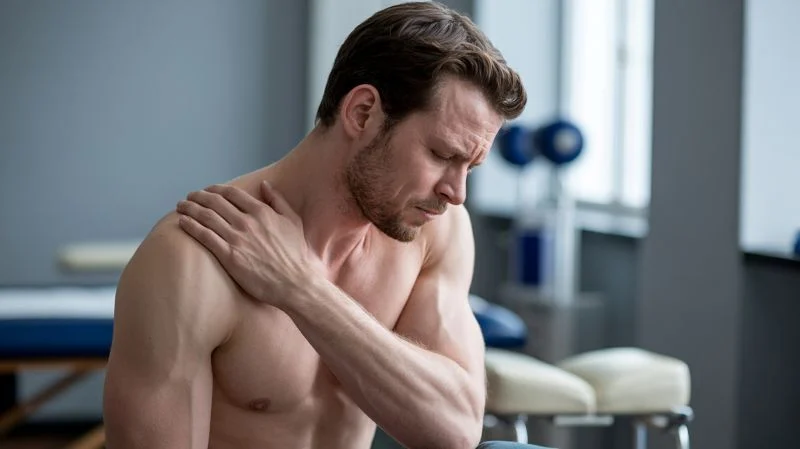

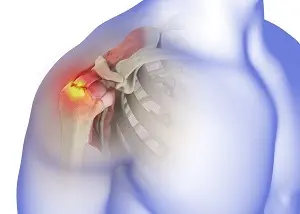
Shoulder pain often begins so subtly that you may not even notice when it first appears. It might start as a mild discomfort while reaching for something on a high shelf or a slight strain when putting on your shirt. Over time, however, this discomfort can gradually intensify, turning simple, everyday movements into frustrating and sometimes painful tasks. Activities that once felt effortless, such as lifting your arm, carrying a bag, or even sleeping comfortably, can become challenging. This slow and progressive nature of shoulder issues is what makes them particularly concerning, as many people tend to ignore the early warning signs until the condition starts interfering with their quality of life.
One of the most common reasons behind this type of persistent shoulder discomfort is a Rotator cuff injury. This condition affects a wide range of individuals, from athletes who frequently use overhead motions to working professionals who spend long hours in poor postures, and even older adults experiencing age-related degeneration. A Rotator cuff injury does not always occur due to a sudden trauma or accident. In many cases, it develops gradually due to repetitive strain, muscle imbalances, or improper movement patterns, making it easy to overlook in its early stages.
What makes this condition even more challenging is that people often respond to it in ways that may not support proper healing. Some choose to completely rest the shoulder, avoiding movement out of fear of pain, while others push through discomfort and continue their usual activities. Many individuals turn to random exercises found online without understanding whether they are suitable for their specific condition. Unfortunately, these approaches can either delay recovery or, in some cases, worsen the Rotator cuff injury by placing additional stress on already compromised tissues.
The reassuring part is that recovery is not only possible but can be highly effective when approached correctly. With the right guidance and a structured rehabilitation plan, it is possible to achieve not just temporary pain relief but long-term functional recovery. The goal is not only to reduce symptoms but also to restore strength, improve mobility, correct underlying imbalances, and prevent future recurrence of the Rotator cuff injury.
In this blog, we will take a deeper look at what truly works when it comes to Rotator cuff injury rehabilitation. Instead of quick fixes or generic advice, we will explore evidence-based strategies supported by clinical experience and practical application. From understanding the root causes to implementing progressive rehab techniques, this guide is designed to help you make informed decisions about your recovery journey and achieve lasting results.
Understanding Rotator Cuff Injury
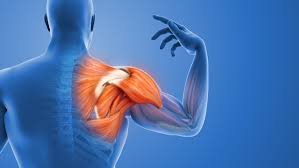
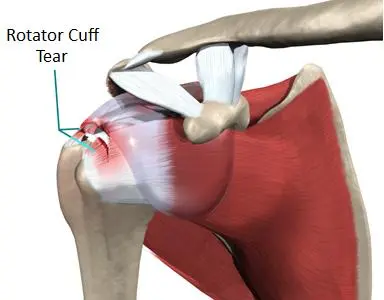
The rotator cuff is a group of four muscles and their tendons that stabilize the shoulder joint and allow smooth movement. When these structures are irritated, inflamed, or torn, it leads to a Rotator cuff injury.
This condition is not always caused by a single traumatic event. In fact, most cases develop gradually due to overuse, poor biomechanics, or muscle imbalance.
Common Causes
- Repetitive overhead activities
- Poor posture, especially rounded shoulders
- Muscle weakness or imbalance
- Sudden heavy lifting
- Age-related degeneration
Common Symptoms
- Pain in the front or side of the shoulder
- Weakness while lifting the arm
- Difficulty with overhead activities
- Night pain, especially while lying on the affected side
- Limited range of motion
Ignoring these early signs can worsen the Rotator cuff injury, making rehab longer and more complicated.
Why Most Rehab Approaches Fail
Before discussing what works, it is important to understand why many people do not recover properly.
1. Only Resting the Shoulder
Rest is important initially, but prolonged inactivity leads to stiffness and muscle weakness, which worsens a Rotator cuff injury.
2. Random Exercises from the Internet
Generic workouts without proper assessment can overload the injured tissues instead of healing them.
3. Ignoring Movement Patterns
The shoulder does not work alone. Poor coordination between the shoulder blade and arm often contributes to a Rotator cuff injury, but many rehab plans ignore this.
4. Treating Pain Instead of the Cause
Pain relief methods like medication or electrotherapy help temporarily but do not fix the root issue.
This is why structured, progressive rehab is essential.
What Actually Works in Rotator Cuff Injury Rehab
Effective rehab is not about doing more exercises. It is about doing the right exercises in the right sequence.
1. Pain Management Without Complete Immobilization
In the early phase of a Rotator cuff injury, the goal is to reduce pain while maintaining gentle movement.
What Helps:
- Activity modification instead of complete rest
- Gentle pendulum exercises
- Isometric muscle activation
- Ice or heat therapy based on condition
This phase ensures that the shoulder does not become stiff while allowing healing to begin.
2. Restoring Mobility First
Many people try to strengthen the shoulder without restoring proper mobility, which leads to compensation and further strain.
Key Focus Areas:
- Shoulder flexion and abduction range
- External and internal rotation
- Scapular mobility
Mobility exercises should be pain-free and controlled. For a Rotator cuff injury, forcing movement can worsen symptoms.
3. Scapular Stability Training
One of the most overlooked aspects of rehab is the role of the shoulder blade. The scapula acts as the foundation for shoulder movement.
If it is unstable, the rotator cuff muscles are forced to work harder, increasing the risk of a Rotator cuff injury.
Effective Exercises:
- Scapular retraction drills
- Wall slides
- Serratus anterior activation exercises
- Low row movements
Improving scapular control reduces stress on the rotator cuff and enhances movement efficiency.
4. Progressive Strengthening
Strengthening is essential, but it must be gradual and specific.
Phase-wise Strengthening:
Early Phase:
- Isometric exercises
- Light resistance band work
Mid Phase:
- External rotation strengthening
- Internal rotation strengthening
- Controlled elevation exercises
Advanced Phase:
- Functional strengthening
- Overhead strengthening
- Sport or activity-specific training
A structured strengthening plan is crucial for long-term recovery from a Rotator cuff injury.
5. Correcting Movement Patterns
Rehab is not just about isolated muscles. It is about retraining how your body moves.
Poor movement patterns, such as excessive shoulder shrugging or improper lifting mechanics, can keep aggravating a Rotator cuff injury.
What Works:
- Movement re-education
- Functional training
- Mirror feedback and supervision
This step ensures that the shoulder works efficiently during real-life activities.
6. Addressing Posture
Posture plays a major role in shoulder health.
Forward head posture and rounded shoulders reduce the space in the shoulder joint, increasing stress on the rotator cuff.
Postural Corrections:
- Thoracic extension exercises
- Chest opening stretches
- Ergonomic adjustments
Correct posture significantly reduces the recurrence of a Rotator cuff injury.
7. Gradual Return to Activity
Returning too quickly to sports or heavy activities is one of the biggest reasons for reinjury.
A proper progression ensures that the shoulder is ready to handle load.
Return-to-Activity Strategy:
- Start with light functional tasks
- Gradually increase load and intensity
- Monitor pain and fatigue
This phase is critical for preventing recurrence of a Rotator cuff injury.
Role of Physiotherapy in Recovery
Professional guidance can make a huge difference in recovery speed and quality.
At DMPhysios, a patient-centered approach ensures that every rehab program is tailored to the individual. Instead of generic protocols, the focus is on identifying the root cause of the Rotator cuff injury and addressing it systematically.
What Makes Physiotherapy Effective:
- Detailed assessment
- Personalized exercise programs
- Hands-on therapy when needed
- Continuous progression tracking
Clinics like DMPhysios combine clinical expertise with advanced rehab strategies to deliver long-lasting results.
Common Mistakes to Avoid
Even with the best intentions, certain mistakes can delay recovery.
- Skipping warm-ups before exercise
- Lifting heavy weights too early
- Ignoring mild pain signals
- Not following a structured program
- Inconsistent rehab routine
Avoiding these mistakes is essential for proper healing of a Rotator cuff injury.
How Long Does Recovery Take?
Recovery time varies depending on the severity of the condition.
- Mild cases: 4 to 6 weeks
- Moderate cases: 6 to 12 weeks
- Severe or chronic cases: 3 to 6 months
Consistency is the key. With the right approach, even a long-standing Rotator cuff injury can improve significantly.
At DMPhysios, patients are guided through every phase of recovery, ensuring safe and effective progress.
When to Seek Professional Help
Not all shoulder pain resolves on its own. You should consult a physiotherapist if:
- Pain persists for more than 2 weeks
- There is significant weakness
- Movement is severely restricted
- Pain interferes with sleep
Early intervention can prevent a minor Rotator cuff injury from becoming a chronic issue.
Real Recovery Is More Than Pain Relief
Many people stop rehab once the pain reduces. However, true recovery means restoring strength, mobility, and function.
Without completing the full rehab process, the risk of reinjury remains high.
This is why structured programs at DMPhysios focus not just on pain relief but on complete functional recovery from a Rotator cuff injury.
Final Thoughts
Recovering from a Rotator cuff injury is not about quick fixes or temporary solutions. It requires a well-planned, progressive approach that addresses mobility, strength, posture, and movement patterns.
The most effective rehab is not the most intense, but the most appropriate for your condition. With the right guidance, consistency, and patience, you can regain full shoulder function and return to your daily activities without pain.
If you are dealing with persistent shoulder pain or suspect a Rotator cuff injury, seeking expert care can make all the difference. At DMPhysios, the focus is always on personalized, evidence-based rehabilitation that delivers real, lasting results.