Overview
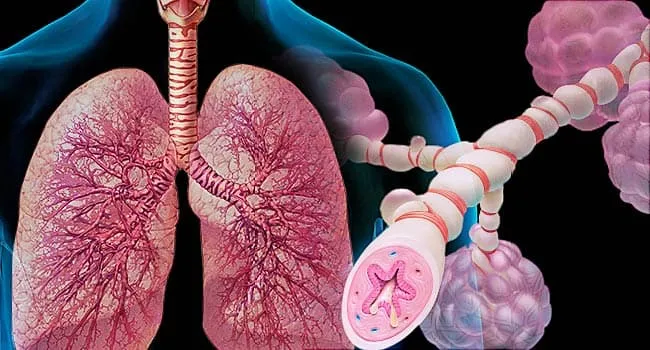
Asthma is a long-term respiratory condition that primarily affects the airways, making them inflamed, narrowed, and overly sensitive to various triggers. This airway constriction leads to a range of distressing symptoms such as shortness of breath, wheezing, persistent coughing, and a feeling of tightness in the chest.
Unlike temporary breathing issues caused by seasonal infections or mild allergies, it is a chronic health condition that requires ongoing attention and management. While there is currently no permanent cure for asthma, effective treatment strategies, coupled with lifestyle modifications, can significantly reduce symptoms, prevent flare-ups, and enable individuals to maintain an active and fulfilling life.
Worldwide, asthma has become one of the most prevalent respiratory disorders, affecting millions of people across all age groups — from young children to working adults and the elderly. The impact of asthma extends beyond physical health, often influencing emotional well-being, social participation, and overall quality of life.
If neglected, the condition can lead to severe complications, frequent hospital visits, and limitations in daily activities. However, with proper medical supervision, patient education, and rehabilitation support, asthma can be controlled effectively.
In Noida and nearby regions, DMPhysios, a leading clinic specializing in spine and sports conditions, also extends its expertise to respiratory care. By offering patient-centered rehabilitation programs, DMPhysios helps individuals with it improve their breathing capacity, manage triggers, and build resilience through structured physiotherapy interventions. Their holistic approach ensures that patients not only address the immediate symptoms but also develop long-term strategies for healthier living.
Symptoms
The symptoms of it is vary depending on the severity of the condition and may differ from person to person. Some individuals may experience mild episodes occasionally, while others may have frequent, severe symptoms. The common signs include:
- Shortness of breath – difficulty breathing, especially during exertion or at night.
- Wheezing – a whistling or squeaky sound during breathing.
- Chest tightness or pain – often described as pressure on the chest.
- Coughing – more prominent at night or early in the morning.
- Difficulty sleeping – caused by recurrent coughing or breathing problems.
During an asthma attack, symptoms worsen rapidly, and emergency medical attention may be required.
Types of Asthma
Asthma is classified into different types based on its triggers and characteristics. Recognizing the type of asthma helps in tailoring the most effective treatment plan.
- Allergic Asthma – Triggered by allergens such as pollen, pet dander, or dust mites.
- Non-Allergic Asthma – Brought on by irritants like smoke, perfume, or weather changes.
- Exercise-Induced Asthma (EIA) – Symptoms appear during or after intense physical activity.
- Occupational – Caused by workplace irritants such as chemicals, fumes, or dust.
- Childhood Asthma – Common in children; some may outgrow it, while others continue into adulthood.
- Adult-Onset – May develop later in life due to environmental or lifestyle factors.
Causes
While the exact cause of asthma is not fully understood, a combination of genetic, environmental, and immune system factors contributes to its development. Some common causes and triggers include:
- Genetic predisposition – A family history of asthma or allergies increases risk.
- Allergens – Dust mites, pollen, mold, and animal fur are common triggers.
- Respiratory infections – Viral infections during childhood can damage the lungs.
- Air pollution – Exposure to smoke, fumes, and industrial pollutants.
- Physical activity – In some people, intense exercise may trigger asthma.
- Weather conditions – Cold air, sudden climate changes, or humidity.
- Stress and anxiety – Emotional factors may worsen breathing problems.
Risk Factors
Several factors increase the likelihood of developing asthma or worsening symptoms. These include:
- Family history of asthma or allergic conditions.
- Living in urban or polluted environments.
- Exposure to tobacco smoke (active or passive).
- Occupational exposure to chemicals or dust.
- Being overweight, which puts extra pressure on the lungs.
- Seasonal allergies or frequent respiratory infections.
- Poor lifestyle habits such as lack of exercise and poor diet.
Treatment
Asthma treatment is focused on controlling symptoms, preventing flare-ups, and improving overall lung function. The management plan usually involves:
- Medications
- Inhaled corticosteroids: Reduce airway inflammation.
- Bronchodilators: Relax airway muscles and improve airflow.
- Leukotriene modifiers: Help prevent airway constriction.
- Biologic therapies: Used in severe asthma cases resistant to standard treatment.
- Lifestyle Adjustments
- Identifying and avoiding triggers.
- Maintaining a balanced diet to strengthen immunity.
- Regular monitoring of symptoms through peak flow meters.
- Stress management through yoga, meditation, or relaxation techniques.
- Pulmonary Rehabilitation
- Breathing techniques and exercises to enhance lung capacity.
- Education about asthma self-management.
- Guidance on physical activity without triggering attacks.
For patients in Noida, DMPhysios provides structured rehabilitation programs that not only focus on spine and sports conditions but also include respiratory physiotherapy for it’s management.
Physiotherapy Treatment
Physiotherapy plays an important role in managing it, especially in improving lung function, reducing the frequency of attacks, and enhancing overall quality of life. At DMPhysios, the approach is personalized and patient-centered. Key physiotherapy interventions include:
1. Breathing Exercises
- Diaphragmatic Breathing (Belly Breathing): Strengthens the diaphragm, making breathing more efficient.
- Pursed-Lip Breathing: Helps control shortness of breath during flare-ups.
- Segmental Breathing: Focuses on expanding specific areas of the lungs.
2. Airway Clearance Techniques
- Helps in loosening and expelling mucus from the airways, preventing blockages that worsen asthma.
- Techniques include huff coughing and postural drainage.
3. Thoracic Expansion Exercises
- Stretching and mobility exercises for the chest wall to improve lung expansion.
4. Relaxation Training
- Since stress is a known trigger, physiotherapists train patients in relaxation methods such as guided breathing and progressive muscle relaxation.
5. Exercise Prescription
- Safe and graded exercise programs that improve cardiovascular fitness without triggering asthma symptoms.
- Aerobic activities like walking, cycling, or swimming are recommended under professional guidance.
6. Education and Self-Management
- Training patients to identify early warning signs of an attack.
- Guidance on inhaler techniques for maximum effectiveness.
- Encouraging adherence to medications and exercise plans.
At DMPhysios, patients with asthma benefit from a holistic rehabilitation plan that integrates physiotherapy, lifestyle counseling, and preventive strategies, making it one of the best patient-centered clinics in Noida.
Prevention
While asthma cannot always be prevented, steps can be taken to reduce the frequency and severity of attacks. Preventive strategies include:
- Avoiding exposure to smoke, pollution, and known allergens.
- Keeping indoor environments clean and dust-free.
- Using air purifiers if living in polluted areas.
- Taking prescribed medications regularly.
- Maintaining a healthy weight to reduce pressure on the lungs.
- Building a routine of regular exercise under medical supervision.
- Managing stress through yoga, meditation, or physiotherapy-guided relaxation.
- Getting vaccinated against flu and pneumonia to prevent respiratory infections.
Conclusion
Asthma is a chronic but manageable condition that affects millions of people worldwide. With the right medical treatment, physiotherapy interventions, and lifestyle modifications, individuals can lead healthy, active lives without constant fear of asthma attacks. Clinics like DMPhysios in Noida, known for their expertise in spine and sports conditions, also extend patient-centered rehabilitation approaches for asthma, ensuring holistic care that addresses both physical and emotional well-being.If you or a loved one is struggling with asthma, don’t wait for symptoms to worsen. Early intervention and physiotherapy-based management can make all the difference. Contact DMPhysios today for expert care, rehabilitation, and personalized treatment plans designed to help you breathe freely and live fully.