Overview
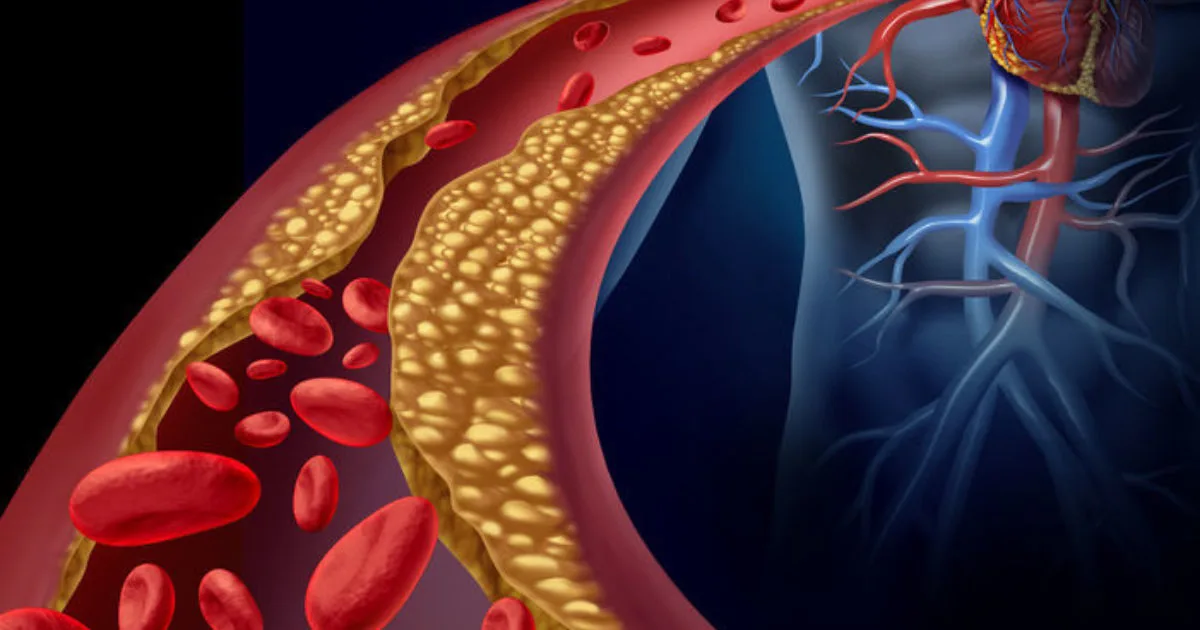
Atherosclerosis is a long-term, chronic, and progressive condition in which fatty deposits, cholesterol, cellular waste products, and other substances accumulate gradually along the inner walls of arteries. Over time, these deposits form plaques—sticky, thickened areas that reduce the elasticity of the vessel walls. As these plaques build up, they cause the arteries to harden (a process known as arteriosclerosis) and narrow, which in turn restricts the flow of oxygen-rich blood to vital organs and tissues throughout the body. This impaired circulation can have far-reaching consequences for overall health. When left unmanaged, atherosclerosis significantly raises the risk of life-threatening cardiovascular events such as heart attacks, strokes, and peripheral artery disease.
Unlike temporary arterial constriction, which can sometimes reverse quickly, atherosclerosis is typically a slow and silent process. It often begins in childhood or adolescence and may progress for decades before obvious symptoms appear. This makes early detection, routine monitoring, and proper management essential for preventing serious complications later in life. Lifestyle factors, genetic predispositions, and underlying medical conditions can all influence how quickly plaques develop and how severe the disease becomes.
At DMPhysios—a leading clinic in Noida renowned for its expertise in spine and sports conditions with a strong focus on patient-centered rehabilitation—education about cardiovascular and systemic conditions such as atherosclerosis forms an integral part of their holistic care model. The clinic recognizes that musculoskeletal health, cardiovascular fitness, and overall well-being are closely linked. By guiding patients to understand risk factors, adopt healthier habits, and integrate safe physical activity into their daily lives, DMPhysios helps create a stronger foundation for both prevention and recovery from conditions like atherosclerosis.
Symptoms
Atherosclerosis frequently develops quietly, without causing any noticeable symptoms, until the disease has progressed to the point where an artery is significantly narrowed or even blocked. This “silent” nature is what makes it so dangerous; people often remain unaware of the problem until a serious cardiovascular event occurs. When signs and symptoms do emerge, they tend to reflect the location of the affected arteries and the degree of reduced blood flow.
- Coronary arteries (supplying the heart): When atherosclerosis restricts blood flow in the coronary arteries, the heart muscle may not receive enough oxygen during exertion or stress. This typically manifests as chest pain or pressure (angina), shortness of breath, palpitations, or unusual fatigue during activities that previously felt easy.
- Carotid arteries (supplying the brain): Atherosclerotic plaques in the carotid arteries can decrease blood flow to the brain, increasing the risk of transient ischemic attacks (TIAs or “mini-strokes”). Warning signs may include sudden weakness or numbness in the limbs or face, temporary vision changes, slurred speech, dizziness, or difficulty understanding words.
- Peripheral arteries (legs and arms): In the extremities, atherosclerosis leads to peripheral artery disease. Patients may notice leg pain or cramping while walking (known as claudication), cold or pale feet, slow-healing wounds or sores, and reduced pulse in the affected limb. These symptoms reflect compromised circulation and can severely limit mobility if untreated.
- Renal arteries (kidneys): When atherosclerosis affects the renal arteries, it can contribute to high blood pressure that resists typical treatment and may progressively impair kidney function, leading to swelling, fluid retention, or declining renal performance.
Because atherosclerosis is a systemic condition, more than one arterial territory may be affected at the same time. For example, someone with coronary artery disease may also show early signs of peripheral artery disease or carotid involvement. This interconnected nature underscores the importance of regular health check-ups, vascular screenings, and lifestyle assessments. Clinics such as DMPhysios in Noida, known for their patient-centered rehabilitation and education, encourage individuals to monitor their cardiovascular risk factors alongside musculoskeletal health. Early recognition and proactive management at such centers can help identify warning signs before complications arise, giving patients a much better chance of maintaining long-term wellness.
Types of Atherosclerosis
Although the underlying process of plaque formation is essentially the same, atherosclerosis can manifest in distinct ways depending on which group of arteries is affected. Each arterial territory supplies different organs or regions of the body, so the consequences and treatment priorities vary accordingly. Understanding these variations helps clinicians and patients alike approach prevention and care more precisely.
- Coronary Atherosclerosis (Heart): When atherosclerotic plaques develop in the coronary arteries, the blood supply to the heart muscle is compromised. This is the most common form and is a major contributor to coronary artery disease. Over time, reduced oxygen delivery to the heart can cause angina, arrhythmias, heart failure, or even heart attacks if a plaque ruptures.
- Cerebrovascular Atherosclerosis (Brain): This type involves the arteries that carry blood to the brain. Plaques here increase the risk of transient ischemic attacks (TIAs) and ischemic strokes, which can result in lasting neurological damage. Symptoms may include sudden weakness, facial drooping, slurred speech, or vision changes, often appearing as warning signs before a major stroke.
- Peripheral Atherosclerosis (Limbs): In the arms and especially the legs, atherosclerosis limits blood flow to muscles and tissues during activity. This condition, known as peripheral artery disease (PAD), often presents as pain, cramps, or fatigue when walking or climbing stairs (claudication). Severe cases may lead to chronic wounds, skin discoloration, or even tissue loss.
- Renal Atherosclerosis (Kidneys): Plaque buildup in the renal arteries can lead to narrowing that elevates blood pressure and gradually impairs kidney function. Over time, this may result in treatment-resistant hypertension and chronic kidney disease.
Recognizing these forms of atherosclerosis is crucial for targeted prevention and management. Clinics like DMPhysios in Noida, while primarily known for their expertise in spine and sports rehabilitation, emphasize a whole-person approach. By incorporating education about cardiovascular health and tailoring wellness plans to each patient’s risk profile, DMPhysios helps individuals address not just musculoskeletal issues but also underlying systemic conditions like atherosclerosis that may influence recovery and long-term health.
Causes
Atherosclerosis results from a complex interplay of factors:
- Chronic inflammation of arterial walls
- High cholesterol and triglycerides
- Hypertension (high blood pressure)
- Smoking and toxin exposure
- Diabetes and insulin resistance
- Obesity and poor diet
- Sedentary lifestyle
Over time, these factors damage the endothelium (the inner lining of arteries), allowing lipids and inflammatory cells to accumulate and form plaques.
Risk Factors
Some risk factors are modifiable, while others are not:
- Non-modifiable risk factors: Age, male gender, family history of cardiovascular disease, genetic predisposition.
- Modifiable risk factors: Smoking, high LDL cholesterol, low HDL cholesterol, high blood pressure, obesity, physical inactivity, poor diet, chronic stress.
At DMPhysios, risk factor management is a cornerstone of patient education. Although the clinic specializes in spine and sports conditions, its patient-centered rehabilitation model includes lifestyle counseling to reduce systemic risks like atherosclerosis.
Treatment
Managing atherosclerosis involves a combination of lifestyle changes, medications, and, in severe cases, procedures:
- Lifestyle Modification
- Heart-healthy diet (low in saturated fats and trans fats)
- Regular aerobic and strength exercise
- Smoking cessation
- Weight reduction and stress management
- Medications
- Statins to lower cholesterol
- Antihypertensives to control blood pressure
- Antiplatelet drugs (like aspirin) to prevent clot formation
- Diabetes management medications
- Procedures
- Angioplasty and stent placement to open narrowed arteries
- Bypass surgery for severe blockages
While DMPhysios does not perform surgical interventions, it plays a pivotal role in post-procedural rehabilitation, ensuring patients regain strength, mobility, and confidence after interventions related to atherosclerosis complications.
Physiotherapy Treatment
Physiotherapy is not limited to musculoskeletal disorders. It has an essential role in the prevention and management of cardiovascular conditions like atherosclerosis, especially in improving functional capacity, reducing risk factors, and promoting overall well-being. At DMPhysios, physiotherapy for patients at risk of or recovering from atherosclerosis focuses on:
1. Cardiovascular Rehabilitation Programs
Structured exercise therapy helps improve blood circulation, strengthen the heart and vascular system, and enhance endurance. These programs are designed after assessing the patient’s cardiovascular status, risk level, and functional limitations.
Key components:
- Aerobic exercise: Walking, cycling, treadmill sessions tailored to individual tolerance.
- Interval training: Alternating periods of moderate and light intensity to improve oxygen utilization.
- Progressive overload: Gradual increase in exercise duration and intensity to boost cardiovascular fitness safely.
2. Strength and Flexibility Training
Resistance training improves muscular strength and glucose metabolism, which is beneficial for individuals with atherosclerosis, diabetes, or obesity. Stretching exercises maintain joint mobility and reduce muscle stiffness from inactivity.
3. Breathing and Relaxation Techniques
Controlled breathing exercises lower stress hormones, reduce blood pressure, and improve oxygenation—key factors in managing atherosclerosis. DMPhysios integrates diaphragmatic breathing and relaxation strategies into rehabilitation plans.
4. Education and Lifestyle Counseling
Patient education on heart-healthy living, ergonomics, and stress reduction complements physical therapy. DMPhysios emphasizes a collaborative approach where physiotherapists, nutritionists, and physicians guide patients in making sustainable lifestyle changes.
5. Monitoring and Safety
Before and during physiotherapy, vitals such as heart rate, blood pressure, and perceived exertion are monitored to ensure safe progression. This is especially critical for patients with advanced atherosclerosis or post-cardiac procedures.
By adopting such comprehensive physiotherapy approaches, DMPhysios stands out as a multidisciplinary clinic in Noida that not only manages spine and sports conditions but also supports patients in reducing cardiovascular risks.
Prevention
Preventing atherosclerosis is far more effective than treating it after it develops. Key preventive measures include:
- Adopt a balanced diet: Focus on fruits, vegetables, whole grains, lean proteins, and healthy fats.
- Exercise regularly: At least 150 minutes of moderate aerobic activity weekly, combined with strength training twice a week.
- Avoid smoking and limit alcohol: Tobacco accelerates arterial damage; alcohol should be moderate.
- Manage stress: Mindfulness, yoga, and breathing techniques reduce stress-related hormonal surges.
- Regular health screenings: Monitor blood pressure, cholesterol, and glucose levels.
DMPhysios incorporates preventive strategies into its rehabilitation programs, encouraging patients to take proactive steps toward cardiovascular health alongside musculoskeletal care.
Conclusion
Atherosclerosis is a silent yet dangerous condition that affects millions worldwide. Its impact on heart, brain, kidneys, and limbs underscores the importance of early detection, risk factor management, and comprehensive care. While medications and procedures address the immediate threats, long-term lifestyle changes and physiotherapy interventions are essential for sustainable health.
At DMPhysios, a premier Noida-based clinic specializing in spine and sports conditions, patient-centered rehabilitation is not just about recovery—it’s about prevention, empowerment, and education. By integrating cardiovascular fitness training, lifestyle counseling, and tailored exercise therapy, DMPhysios helps individuals at risk of or recovering from atherosclerosis lead healthier, more active lives.Take the first step today: If you or someone you know is at risk of atherosclerosis or recovering from cardiovascular complications, visit DMPhysios for a comprehensive, patient-centered rehabilitation program that supports heart, vascular, and musculoskeletal health together.