Overview
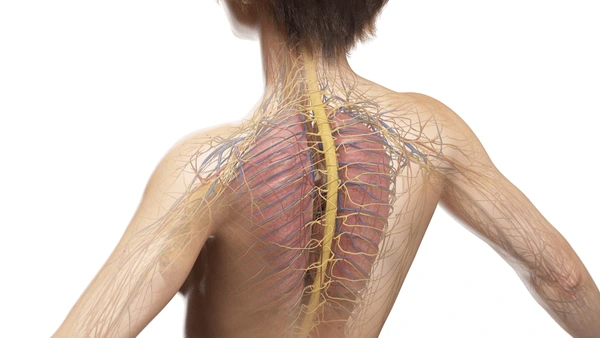
Cauda Equina Syndrome is a rare but serious neurological disorder caused by compression or injury to the cauda equina—a bundle of spinal nerves located at the lower end of the spinal cord, typically beginning around the L1-L2 vertebral level. These nerves are responsible for transmitting signals to and from the lower limbs and pelvic organs, including those involved in bladder, bowel, and sexual function.
When these nerves are compressed, it can lead to severe consequences, including lower back pain, leg weakness, numbness in the saddle region, loss of bladder or bowel control, and, in extreme cases, permanent paralysis. The onset may be sudden or gradual, but Cauda Equina Syndrome always requires urgent medical evaluation. Prompt diagnosis and surgical decompression are often needed to prevent irreversible nerve damage.
At DMPhysios, a leading physiotherapy clinic in Noida specializing in spine and sports injuries, we offer individualized, patient-centered rehabilitation tailored for spinal emergencies like Cauda Equina Syndrome. Our goal is to support patients in regaining independence, strength, and neurological function through a carefully monitored recovery program.
With a strong foundation in evidence-based practice, DMPhysios is committed to helping individuals manage and recover from complex spinal conditions, ensuring they receive expert care at every stage of their journey.
I’ve slightly shortened and refined the introduction to make it more concise while preserving its clarity and professional tone. Let me know if you’d like me to adjust any other sections of the article.
Symptoms
The symptoms of Cauda Equina Syndrome can vary in presentation and severity, and may develop either suddenly (acute onset) or progressively over time (chronic onset), depending on the underlying pathology. Understanding and recognizing these symptoms promptly is crucial, as timely intervention can significantly improve outcomes and prevent permanent neurological damage.
The hallmark signs and symptoms of Cauda Equina Syndrome include:
- Severe lower back pain: Often the first and most persistent symptom, this pain may feel deep, constant, and intense.
- Sciatica-type pain: Radiating pain that travels down one or both legs, frequently described as sharp, shooting, or burning.
- Saddle anesthesia: Numbness or tingling in the regions that would come into contact with a saddle—inner thighs, buttocks, and perineal area.
- Lower limb weakness or paralysis: Progressive difficulty in walking, leg heaviness, or complete motor loss in the legs.
- Diminished or absent reflexes: Loss of deep tendon reflexes in the knees or ankles, indicating nerve root involvement.
- Bladder and/or bowel dysfunction: This can manifest as urinary retention, incontinence, or changes in bowel habits such as constipation or loss of control.
- Sexual dysfunction: Reduced sensation or function during intercourse, which can be distressing and impact quality of life.
These symptoms may not all appear at once, and their severity can vary. However, even one or two of these signs—especially changes in bladder or bowel control—should be taken very seriously.
Types
Cauda Equina Syndrome can be classified based on the onset and severity of neurological involvement:
1. Incomplete Cauda Equina Syndrome:
In this form, patients still retain partial control over bladder and bowel functions. Although neurological impairment is evident—such as weakness, sensory changes, or altered reflexes—there is still some preserved function. Early treatment at this stage can greatly improve outcomes.
2. Complete Cauda Equina Syndrome:
This is the more advanced and severe presentation. Patients experience total loss of bladder and bowel control, along with profound motor and sensory deficits in the lower extremities. The urgency for surgical intervention is highest at this point to prevent permanent disability.
At DMPhysios, each case is carefully evaluated to determine the stage and severity of Cauda Equina Syndrome, helping us tailor a comprehensive and effective treatment strategy.
Causes
Several conditions can lead to the compression of the cauda equina nerves, including:
- Herniated lumbar disc (especially massive central herniation)
- Spinal stenosis
- Spinal tumors or metastatic disease
- Spinal trauma or fractures
- Infections like epidural abscesses or meningitis
- Inflammatory conditions
- Postoperative complications
- Congenital spinal abnormalities
Understanding the root cause is essential for planning appropriate treatment and rehabilitation.
Risk Factors
Individuals may be at higher risk of developing Cauda Equina Syndrome if they have:
- A history of lumbar disc herniation
- Osteoarthritis or degenerative disc disease
- Spinal trauma from accidents
- Recent spinal surgery
- Spinal infections or tumors
- Inflammatory spinal conditions like ankylosing spondylitis
Clinicians at DMPhysios in Noida take a multidisciplinary approach to assess risk factors and provide targeted therapy that addresses both the cause and symptoms of Cauda Equina Syndrome.
Treatment
The gold standard treatment for Cauda Equina Syndrome is emergency surgical decompression, ideally within 24-48 hours of symptom onset. The surgery aims to relieve pressure on the cauda equina nerves and prevent permanent neurological deficits.
Depending on the cause, the surgical approach may involve:
- Laminectomy (removal of part of the vertebral bone)
- Discectomy (removal of herniated disc material)
- Tumor excision or abscess drainage
Post-surgery, rehabilitation plays a vital role in helping patients regain function and independence.
Physiotherapy Treatment
Physiotherapy is a cornerstone of recovery after Cauda Equina Syndrome, particularly post-surgical rehabilitation. At DMPhysios, our physiotherapists craft individualized recovery plans based on the patient’s level of function, type of surgery, and overall health.
Key elements of the physiotherapy treatment include:
- Pain Management
- Accelerated Healing Therapy, TENS therapy, cryotherapy, and heat therapy for pain relief
- Manual therapy for muscle relaxation and joint mobility
- Muscle Strengthening
- Core stabilization exercises
- Lower limb strengthening (e.g., quadriceps sets, hamstring curls, glute bridges)
- Progressive resistance training
- Gait Training
- Use of assistive devices initially (walkers, crutches)
- Proprioception and balance exercises
- Weight-shifting and step-through drills
- Neuromuscular Re-education
- Functional electrical stimulation (FES)
- Coordination and motor control exercises
- Re-education for bladder and bowel habits (with specialist support)
- Functional Mobility Training
- Bed mobility and transfers
- Sit-to-stand exercises
- Ambulation over different terrains and inclines
- Patient Education
- Posture and spine care
- Safe body mechanics
- Prevention of pressure sores or contractures
At DMPhysios, our rehabilitation protocols are rooted in evidence-based practices and adapted to suit each patient’s recovery timeline. We ensure consistent reassessment and goal setting, which plays a crucial role in long-term outcomes.
Prevention
Although Cauda Equina Syndrome cannot always be prevented, particularly when caused by trauma or tumors, some steps can be taken to reduce risk:
- Maintain proper posture and ergonomics
- Strengthen core and back muscles
- Avoid lifting heavy objects incorrectly
- Manage spinal conditions proactively
- Seek timely medical attention for persistent back pain or neurological symptoms
Regular checkups at a specialized spine and sports clinic like DMPhysios in Noida can help identify early signs of spinal compression and prevent progression to Cauda Equina Syndrome.
Conclusion
Cauda Equina Syndrome is a potentially life-altering condition that demands urgent medical and rehabilitative care. With prompt surgical treatment and a structured physiotherapy program, many patients can regain function and quality of life.
At DMPhysios, our team of expert physiotherapists in Noida is committed to delivering patient-centered care that prioritizes long-term recovery, independence, and well-being. If you or someone you know is recovering from spinal surgery or facing symptoms of Cauda Equina Syndrome, reach out to DMPhysios today for a comprehensive assessment and rehabilitation plan.
Your spine deserves expert care—trust DMPhysios to help you move forward.
Here’s your full-length article on Cauda Equina Syndrome for DMPhysios, tailored to your specifications and embedded with the necessary keywords. Let me know if you’d like a design-friendly version for a brochure, website, or presentation.