
Overview
The common peroneal nerve injury (also known as common fibular nerve injury) is one of the most frequent peripheral nerve injuries affecting the lower limb. The common peroneal nerve branches off from the sciatic nerve near the popliteal fossa and winds around the neck of the fibula before dividing into the deep peroneal nerve and superficial peroneal nerve. Because of its superficial course around the fibular neck, it is highly susceptible to compression or trauma.
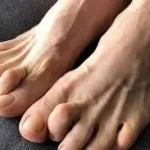
This nerve is primarily responsible for innervating the muscles involved in dorsiflexion and eversion of the foot and providing sensation to the upper lateral leg and dorsum of the foot. Injury to this nerve can lead to weakness in foot movements and sensory disturbances, often resulting in a classic “foot drop” gait, where the individual is unable to lift the front part of the foot properly during walking.
At DMPhysios, a leading physiotherapy clinic in Noida specializing in spine and sports conditions, the management of common peroneal nerve injury focuses on restoring strength, mobility, and neuromuscular control through evidence-based, patient-centered rehabilitation.
Symptoms
The presentation of a common peroneal nerve injury varies depending on the severity and site of nerve involvement. Common symptoms include:
- Foot Drop – The most prominent symptom, where the patient cannot dorsiflex the ankle, causing the toes to drag on the ground while walking.
- Weakness in Foot Eversion – Due to involvement of the superficial peroneal branch.
- Numbness or Tingling – Over the outer aspect of the leg and dorsum of the foot.
- Loss of Sensation – Particularly between the first and second toes if the deep peroneal nerve is affected.
- Pain or Burning Sensation – Along the lateral side of the lower leg or top of the foot.
- Gait Abnormalities – The patient may exhibit a steppage gait, where they lift the knee excessively high to prevent the toes from dragging.
- Muscle Wasting – Chronic injuries can lead to visible atrophy of the tibialis anterior, extensor digitorum longus, and peroneal muscles.
Early diagnosis and intervention are essential to prevent permanent damage. At DMPhysios, physiotherapists conduct a detailed clinical and neurological assessment to determine the level and extent of the common peroneal nerve injury and plan personalized rehabilitation strategies accordingly.
Types of Common Peroneal Nerve Injury
The common peroneal nerve injury can be classified based on the mechanism or severity of damage:
- Neuropraxia (Mild):
A temporary conduction block without structural damage. Recovery usually occurs within weeks to months. - Axonotmesis (Moderate):
Axonal damage occurs but the connective tissue sheath remains intact. Recovery may take months, depending on nerve regeneration. - Neurotmesis (Severe):
The nerve is completely severed or disrupted. Spontaneous recovery is unlikely and may require surgical repair. - Compression Neuropathy:
Caused by chronic pressure on the nerve, commonly seen in prolonged leg crossing or cast application around the fibular head.
Each type requires a different approach to rehabilitation, and at DMPhysios, therapists tailor treatment according to the degree of common peroneal nerve injury, ensuring optimal nerve healing and functional recovery.
Causes
A common peroneal nerve injury can occur due to several reasons, including:
- Trauma to the Knee or Leg: Direct blows, fractures of the fibular neck, or knee dislocations.
- Prolonged Compression: Sitting cross-legged for long periods, squatting, or tight casts/braces.
- Surgical Complications: Especially after total knee replacement, fibular fracture fixation, or proximal tibial surgeries.
- Weight Loss: Rapid or excessive weight loss reduces protective fat padding around the fibular head, making the nerve more exposed.
- Peripheral Neuropathies: Diabetes or nerve disorders can make the nerve more vulnerable.
- Sports Injuries: Repetitive strain in runners, footballers, and athletes.
- External Pressure: From prolonged bed rest, improper positioning during surgery, or wearing tight boots.
At DMPhysios, specialists identify both the primary cause and contributing biomechanical factors that might have led to the common peroneal nerve injury, ensuring a holistic and sustainable recovery plan.
Risk Factors
Certain individuals are at a higher risk of developing a common peroneal nerve injury, such as:
- People who frequently cross their legs.
- Athletes involved in contact sports or sprinting.
- Individuals with diabetes mellitus or peripheral neuropathy.
- Post-surgical patients (especially after knee or fibular procedures).
- Those who have had prolonged immobilization with casts.
- People experiencing significant weight loss.
- Occupations requiring repetitive squatting or kneeling.
Recognizing these risk factors helps in early prevention and timely rehabilitation. DMPhysios, with its team of expert physiotherapists in Noida, emphasizes patient education to minimize these risks.
Treatment
Medical Management
The treatment of a common peroneal nerve injury depends on its underlying cause and severity. Common medical interventions include:
- Addressing the Cause:
Removing casts, braces, or compression sources that may be impinging on the nerve. - Medications:
- Nonsteroidal anti-inflammatory drugs (NSAIDs) for pain relief.
- Neuropathic pain medications (e.g., gabapentin or pregabalin).
- Vitamin B complex to support nerve health.
- Orthotic Support:
- Ankle-Foot Orthosis (AFO): Used to correct foot drop and assist walking.
- Night Splints: To maintain dorsiflexion position and prevent contractures.
- Surgical Intervention:
- Indicated in cases of neurotmesis, severe compression, or failure of conservative management.
- Procedures may include nerve decompression, nerve repair, or tendon transfer.
However, medical management alone is often insufficient. Physiotherapy plays a crucial role in restoring strength, nerve mobility, and functional gait, which is where DMPhysios excels through individualized and progressive rehabilitation programs.
Physiotherapy Treatment
At DMPhysios, physiotherapy management for common peroneal nerve injury is patient-centered and evidence-based, focusing on nerve healing, muscle re-education, and functional recovery. The approach includes the following components:
1. Initial Phase – Protection and Pain Relief
- Goal: Prevent further nerve compression and maintain joint mobility.
- Interventions:
- Educate the patient to avoid leg crossing or pressure over the fibular head.
- Use AFO or splints to prevent plantarflexion contracture.
- Gentle passive and active-assisted range of motion (ROM) exercises for ankle and toes.
- Electrical stimulation (TENS or NMES) to maintain muscle tone and stimulate nerve activity.
- Soft tissue mobilization around the fibular head to reduce adhesions.
2. Intermediate Phase – Strength and Control
- Goal: Restore voluntary control and muscle strength.
- Interventions:
- Strengthening Exercises:
- Isometric contractions of dorsiflexors and evertors.
- Resisted dorsiflexion with resistance bands (TheraBands).
- Foot eversion against resistance to strengthen peroneal muscles.
- Proprioceptive Training:
- Weight shifts and balance board exercises to retrain ankle stability.
- Functional Electrical Stimulation (FES):
- Used to activate dorsiflexor muscles during gait training.
- Stretching Exercises:
- Stretch calf and plantarflexor muscles to maintain flexibility.
- Strengthening Exercises:
3. Advanced Phase – Gait and Functional Rehabilitation
- Goal: Re-educate normal gait pattern and restore full function.
- Interventions:
- Gait Training:
Using parallel bars or treadmills with FES support to correct foot drop. - Task-Oriented Training:
Step-ups, walking drills, and stair climbing. - Neuromuscular Re-education:
Using proprioceptive neuromuscular facilitation (PNF) techniques to retrain coordination. - Balance and Core Strengthening:
To improve overall limb control and reduce risk of falls.
- Gait Training:
4. Maintenance and Return to Activity
- Goal: Prevent recurrence and optimize performance.
- Interventions:
- Continued strengthening and flexibility exercises.
- Sports-specific or occupation-specific training if applicable.
- Education on ergonomics, posture, and protective strategies.
At DMPhysios, each rehabilitation program for common peroneal nerve injury is customized based on nerve conduction findings, muscle recovery, and patient goals. The clinic’s patient-centered rehabilitation model ensures not just symptom relief but long-term functional restoration.
Prevention
Preventive measures can significantly reduce the incidence of common peroneal nerve injury. Key preventive strategies include:
- Avoid prolonged leg crossing or squatting.
- Use protective padding around the fibular head during surgeries or immobilization.
- Maintain a healthy body weight to preserve natural fat cushioning.
- Regularly stretch and strengthen lower limb muscles, especially in athletes.
- Ensure proper ergonomic positioning during long sitting hours.
- Monitor for tight braces or casts that can compress the nerve.
At DMPhysios, patient education plays a central role in prevention. The physiotherapists guide patients, athletes, and post-surgical individuals on safe positioning, movement techniques, and exercises that protect the peroneal nerve from undue stress.
Conclusion
A common peroneal nerve injury can significantly affect mobility, gait, and quality of life if not managed properly. Early diagnosis, proper nerve protection, and structured physiotherapy are essential for full recovery.
At DMPhysios, a premier physiotherapy clinic in Noida specializing in spine and sports conditions, the focus is always on patient-centered rehabilitation, emphasizing personalized assessment, targeted therapy, and long-term functional improvement. The expert team ensures that every common peroneal nerve injury case receives comprehensive care from pain management to full functional restoration.
If you or someone you know is experiencing symptoms of foot drop, weakness, or numbness related to a common peroneal nerve injury, don’t delay seeking expert help. Visit DMPhysios today to start your journey toward recovery with the most advanced rehabilitation techniques available in Noida.