Overview
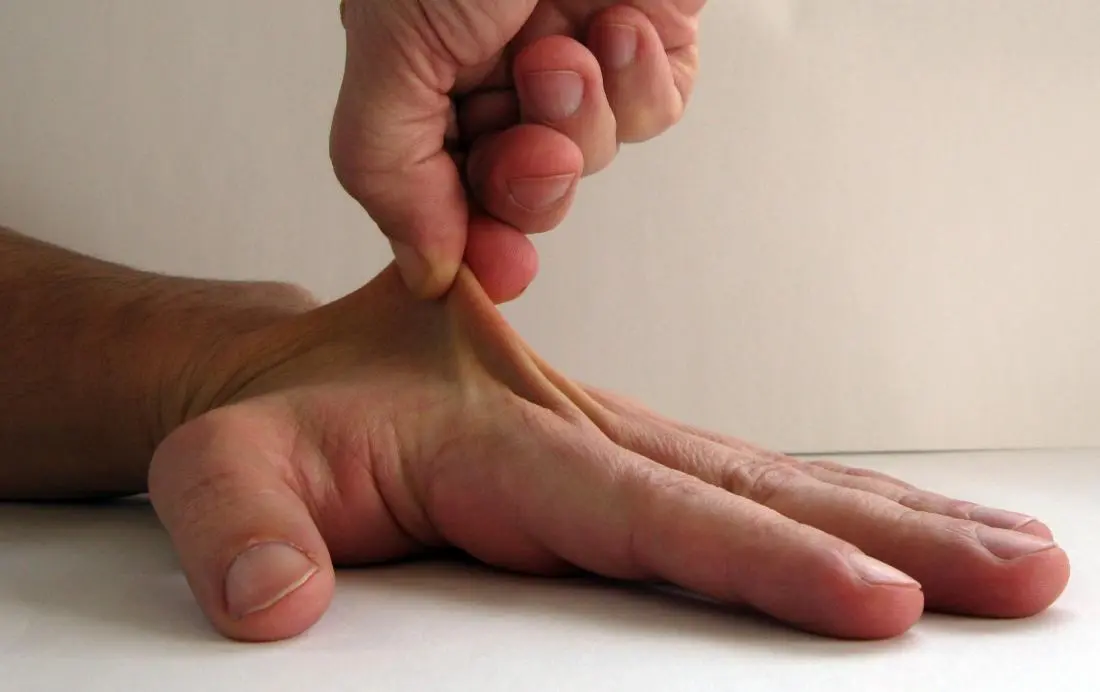
Ehlers-Danlos Syndrome (EDS) refers to a spectrum of inherited connective-tissue disorders in which the very framework that holds the body together becomes unusually lax and fragile. Under normal conditions, connective tissues—composed mainly of collagen and other supportive proteins—serve as the body’s scaffolding, giving strength, elasticity, and stability to skin, ligaments, tendons, blood vessels, and even internal organs. In people living with Ehlers-Danlos Syndrome, genetic variations disrupt the quality or quantity of collagen, leaving these tissues less resilient and far more stretchable than they should be. This structural weakness explains why EDS often manifests as excessive joint looseness, easily extensible skin, slow-healing wounds, and a range of musculoskeletal and systemic complications that can affect day-to-day activities.
Because the condition impacts multiple body systems, its effects reach well beyond the joints. Individuals may experience repeated sprains, dislocations, chronic fatigue, and soft-tissue injuries, making ordinary tasks more demanding and sometimes painful. Over time, this instability can influence posture, muscle balance, and overall functional capacity.
At DMPhysios, a dedicated physiotherapy and rehabilitation clinic in Noida that focuses on spine and sports conditions, we witness firsthand the challenges Ehlers-Danlos Syndrome presents. Our team understands that no two people with EDS are exactly alike; symptom severity and daily limitations differ widely. That’s why our rehabilitation model is deeply patient-centered—we emphasize thorough education, gradual and safe strength building, proprioceptive retraining, and personalized injury-prevention strategies. By tailoring programs to each individual’s needs and respecting the unique fragility of connective tissues in EDS, we aim to help patients preserve function, reduce discomfort, and regain confidence in their movement for the long term.
Symptoms
Symptoms vary across individuals and depend on the specific type of Ehlers-Danlos Syndrome, but common manifestations include:
- Joint Hyperlaxity and Instability – Joints that extend beyond their normal range, leading to frequent sprains, subluxations, or dislocations.
- Chronic Musculoskeletal Pain – Widespread aching due to joint stress, muscle fatigue, and recurrent injuries.
- Skin Hyperextensibility – Skin that stretches easily but may be fragile and prone to bruising.
- Slow or Poor Wound Healing – Thin, atrophic scars after even minor injuries or surgeries.
- Fatigue and Muscle Weakness – Resulting from inefficient biomechanics and repeated injuries.
- Autonomic Symptoms – Dizziness, heart rate fluctuations, or digestive issues in certain subtypes.
- Easy Bruising and Vascular Fragility – Especially in vascular forms of Ehlers-Danlos Syndrome.
Recognizing these symptoms early can help in timely management. DMPhysios emphasizes early assessment and functional rehabilitation to minimize complications and reduce the risk of repeated injuries.
Types of Ehlers-Danlos Syndrome
There are several recognized types of Ehlers-Danlos Syndrome, each with unique features:
- Classical Type – Marked by skin hyperextensibility, atrophic scarring, and generalized joint hypermobility.
- Hypermobile EDS (hEDS) – The most common type, primarily presenting with joint laxity, instability, and chronic musculoskeletal pain.
- Vascular Type – Rare but severe, affecting blood vessel and organ integrity, posing life-threatening risks of rupture.
- Kyphoscoliotic Type – Characterized by severe spinal curvature and muscle hypotonia from infancy.
- Arthrochalasia and Dermatosparaxis Types – Extremely rare forms with profound joint and skin involvement.
- Other Subtypes – Several additional forms exist, each linked to specific genetic variants and symptoms.
Understanding which type of Ehlers-Danlos Syndrome is present helps clinicians at DMPhysios design a personalized management plan focusing on stabilization, functional strength, and patient education.
Causes
Ehlers-Danlos Syndrome is predominantly genetic, resulting from mutations in genes responsible for collagen synthesis and structure. Collagen is the major structural protein that provides tensile strength to tissues. Defective or insufficient collagen leads to fragile skin, unstable joints, and weakened blood vessels.
- Autosomal Dominant or Recessive Inheritance – Many types are inherited, though some cases occur due to spontaneous mutations.
- Genetic Variability – Different mutations lead to different EDS subtypes, explaining why symptoms vary widely.
While the underlying cause cannot be reversed, a structured management approach—such as that offered at DMPhysios—can significantly improve function and reduce complications.
Risk Factors
Although Ehlers-Danlos Syndrome is genetic, some factors can exacerbate symptoms or increase injury risk:
- Family history of Ehlers-Danlos Syndrome.
- High-demand physical activities involving repetitive stress or extreme flexibility.
- Poor muscle conditioning, which increases joint instability.
- Hormonal changes, especially in females, that can influence connective tissue laxity.
DMPhysios educates patients about these risk factors and provides strategies to minimize avoidable injuries, especially for those involved in sports or physically demanding work.
Treatment
There is currently no cure for Ehlers-Danlos Syndrome, but comprehensive management can greatly enhance quality of life. Treatment focuses on:
- Pain Management – Through medication, lifestyle modifications, and therapeutic modalities.
- Joint Protection Strategies – Bracing, taping, and movement education to avoid overstretching.
- Strength and Stability Training – Gradual, controlled exercises that reinforce joint support.
- Education & Lifestyle Adaptation – Avoiding high-risk activities and modifying daily habits.
- Multidisciplinary Care – Collaboration with rheumatologists, geneticists, physiotherapists, and orthopedic specialists.
Physiotherapy Treatment
Physiotherapy is the cornerstone of managing Ehlers-Danlos Syndrome. At DMPhysios, a Noida-based clinic for spine and sports conditions, our approach is patient-centered and evidence-driven.
1. Comprehensive Assessment
- Detailed evaluation of joint stability, muscle strength, posture, and movement patterns.
- Identification of frequent subluxation or injury-prone joints.
- Screening for compensatory movement strategies that could lead to pain or dysfunction.
2. Joint Stabilization & Strengthening
- Low-load Strength Training: Focus on controlled, low-resistance exercises to improve muscle support without overstressing joints.
- Core and Proximal Stability: Reinforcing the spine, hips, and shoulder girdle to improve whole-body mechanics.
- Closed-chain Exercises: Safer for hypermobile joints, limiting shear forces.
3. Proprioceptive & Balance Training
- Exercises to enhance neuromuscular control, reducing the risk of sprains and dislocations.
- Gradual progression to dynamic activities for improved daily function.
4. Pain Management & Soft Tissue Care
- Modalities like heat, gentle manual therapy, and taping to alleviate pain.
- Education on pacing activities and avoiding fatigue-induced injuries.
5. Functional Movement Education
- Ergonomic training to reduce stress during daily tasks.
- Guidance on safe exercise routines, posture correction, and lifestyle modifications.
6. Sports & Activity Modification
- Tailoring activities to maintain fitness without exposing joints to extreme stress.
- Individualized programs for athletes who wish to continue sports safely.
At DMPhysios, we emphasize collaborative goal setting, ensuring patients understand their condition and actively participate in rehabilitation. This partnership approach builds confidence, reduces fear of movement, and fosters long-term adherence.
Prevention
While Ehlers-Danlos Syndrome cannot be prevented, the severity of complications can be mitigated with early education and proactive measures:
- Early Screening in At-Risk Families: Genetic counseling and prompt evaluation.
- Structured Exercise Routines: Gradual, supervised strengthening from childhood onwards.
- Avoiding High-Impact Activities: Protecting vulnerable joints by steering away from contact sports or extreme flexibility routines.
- Regular Monitoring: Periodic assessments at clinics like DMPhysios ensure that exercises and strategies evolve with the patient’s needs.
- Patient Empowerment: Knowledge of joint-sparing techniques and symptom self-management.
Conclusion
Ehlers-Danlos Syndrome can profoundly affect mobility, comfort, and quality of life, but with informed care and a proactive approach, individuals can thrive. DMPhysios, located in Noida and specializing in spine and sports conditions, offers patient-centered rehabilitation tailored to the unique challenges of Ehlers-Danlos Syndrome. Through targeted physiotherapy, education, and long-term joint protection strategies, we help patients build stability, reduce pain, and maintain an active, fulfilling life.If you or a loved one has been diagnosed with Ehlers-Danlos Syndrome, don’t wait—reach out to DMPhysios for a personalized rehabilitation plan. Our experienced team is ready to guide you through every step of your journey toward improved function and resilience.