Overview
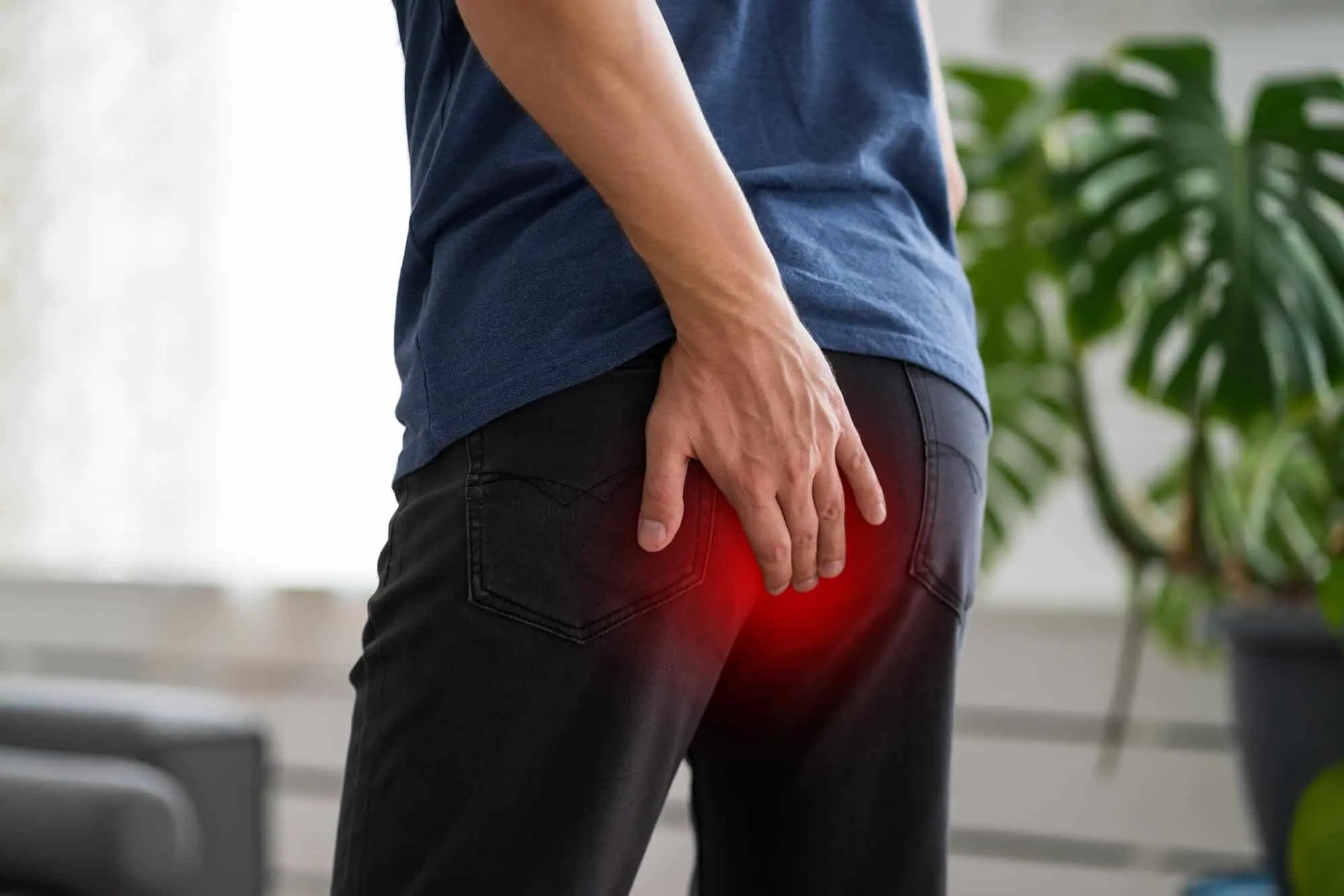
Femoral nerve impingement is considered a relatively uncommon yet frequently debilitating condition that can significantly affect movement and comfort in the thigh, hip, groin, and even parts of the lower back. The femoral nerve itself is one of the body’s largest and most important peripheral nerves. It originates from the lumbar plexus—specifically from the nerve roots at levels L2, L3, and L4—and then courses deep through the abdomen and pelvis before passing under the inguinal ligament into the anterior thigh. Along this route, it provides critical motor supply to the quadriceps and sartorius muscles and carries sensory information from the front and inner side of the thigh down to the medial aspect of the leg.
Because of its long anatomical pathway, the femoral nerve can become compressed or irritated at several points, including the lumbar spine, pelvic cavity, or under the inguinal ligament in the groin. When this nerve is compromised at any of these locations, the result is referred to as femoral nerve impingement. This condition may lead to pain, altered sensation, weakness, or functional limitations that interfere with walking, climbing stairs, or even simple daily activities.
At DMPhysios, a renowned clinic located in Noida that specialises in spine and sports-related conditions with an emphasis on patient-centred rehabilitation, our clinicians regularly evaluate and treat individuals presenting with symptoms of femoral nerve impingement. Through a combination of detailed assessment, early recognition of warning signs, and evidence-based intervention, we aim to prevent the progression of nerve irritation and support our patients in regaining strength, mobility and confidence in their daily and athletic pursuits.
Symptoms
The symptoms of femoral nerve impingement can vary depending on the site and severity of the compression but typically include:
- Pain: Sharp, burning, or aching pain in the front of the thigh, groin, or lower abdomen. This pain may worsen with activities like climbing stairs or prolonged standing.
- Numbness and Tingling: Sensory changes such as numbness, pins-and-needles, or reduced sensation in the anterior and medial thigh.
- Weakness: Difficulty extending the knee or reduced strength in the quadriceps muscles.
- Reduced Reflexes: Diminished or absent patellar (knee-jerk) reflex.
- Gait Changes: Altered walking patterns due to pain or weakness, sometimes causing limping.
Recognizing these symptoms early is vital, and at DMPhysios, our team uses detailed clinical assessments to identify femoral nerve impingement and differentiate it from other nerve-related conditions like sciatica or lumbar radiculopathy.
Types of Femoral Nerve Impingement
Although the umbrella term femoral nerve impingement refers broadly to compression of the femoral nerve along its course, in clinical practice it is useful to classify it according to the anatomical site or mechanism of compression. Understanding where the nerve is being irritated allows healthcare professionals to design a more precise, effective treatment plan.
1. Lumbar Spine–Related Impingement
In some cases the nerve roots that eventually form the femoral nerve (L2–L4) become compressed before they even leave the spinal column. This may occur due to degenerative changes such as lumbar spondylosis, narrowing of the spinal canal (spinal stenosis), or a protruding intervertebral disc. Because the nerve is compromised at its origin, symptoms may include not only anterior thigh pain and weakness but also low back discomfort. Early recognition and intervention are critical to prevent ongoing nerve irritation and potential muscle wasting.
2. Pelvic or Retroperitoneal Impingement
The femoral nerve passes through the pelvic cavity and retroperitoneal space, making it vulnerable to pressure from within the abdomen or pelvis. Masses such as tumors, cysts, or abscesses, postoperative scarring, or even large hematomas from trauma or anticoagulation therapy can compress the nerve in this region. Patients with this type of femoral nerve impingement often present with pain or sensory changes higher up in the groin or lower abdomen, sometimes accompanied by hip flexor weakness.
3. Inguinal Region Impingement
The nerve’s final narrow passage is under the inguinal ligament at the front of the hip. Here it can be compressed by tight belts, heavy tool belts, restrictive clothing, hernias, or prolonged hip flexion such as during certain yoga postures, long drives, or childbirth. Because this location is close to the skin surface, symptoms may be very localized, with sharp pain or tingling felt in the front of the thigh when the hip is flexed.
Each of these patterns requires a slightly different diagnostic and management approach. At DMPhysios, a leading Noida-based clinic focusing on spine and sports conditions with patient-centred rehabilitation, our multidisciplinary team uses advanced assessment techniques to identify the exact point of compression. This allows us to create a targeted rehabilitation plan for every individual with femoral nerve impingement, maximising recovery and minimising recurrence.
Causes
Several factors can contribute to femoral nerve impingement, including:
- Lumbar Disc Herniation: Bulging or ruptured discs compressing the L2–L4 nerve roots.
- Spinal Stenosis: Narrowing of the spinal canal or foramina affecting femoral nerve roots.
- Pelvic Masses: Tumors, cysts, abscesses, or hematomas in the pelvis exerting pressure on the femoral nerve.
- Trauma: Direct injury to the pelvis or upper thigh.
- Surgical Complications: Particularly from hip, pelvic, or abdominal surgeries.
- Prolonged Hip Flexion: For example, during childbirth or extended use of traction devices.
At DMPhysios, a thorough evaluation identifies these causes, enabling clinicians to design an individualized rehabilitation plan to relieve symptoms and restore function.
Risk Factors
Certain factors increase the likelihood of developing femoral nerve impingement, including:
- Age-related degenerative changes (lumbar spondylosis or spinal stenosis).
- Repetitive activities involving hip flexion or pelvic pressure.
- History of abdominal or pelvic surgery.
- Diabetes, which can make nerves more vulnerable to injury.
- Obesity or significant weight gain increases pressure in the pelvic region.
- High-impact sports or occupational strain.
Understanding these risk factors allows the team at DMPhysios to emphasize preventive strategies alongside treatment.
Treatment
The treatment of femoral nerve impingement depends on its cause, severity, and the patient’s overall health. Common approaches include:
- Medications: Nonsteroidal anti-inflammatory drugs (NSAIDs), muscle relaxants, or neuropathic pain medications.
- Activity Modification: Avoiding activities that exacerbate symptoms.
- Bracing or Support: Temporary use of knee braces to stabilize the joint in cases of quadriceps weakness.
- Injections: Corticosteroid injections around the nerve roots or affected area to reduce inflammation.
- Surgery: Reserved for severe or persistent cases where conservative management fails. Procedures may include decompression of the nerve root or removal of compressive masses.
At DMPhysios, we focus on non-invasive, evidence-based rehabilitation and only refer for surgical options when absolutely necessary.
Physiotherapy Treatment
Physiotherapy plays a pivotal role in managing femoral nerve impingement, addressing pain, restoring mobility, and strengthening affected muscles. At DMPhysios, our patient-centered rehabilitation program includes:
- Pain Management Techniques
- Application of modalities like TENS (Transcutaneous Electrical Nerve Stimulation), ultrasound therapy, or cryotherapy to reduce pain and inflammation.
- Gentle soft tissue mobilization around the hip and thigh.
- Nerve Gliding Exercises
- Specific femoral nerve mobilization or “nerve flossing” to improve nerve mobility and reduce adhesions.
- Performed gradually under supervision to avoid aggravating symptoms.
- Stretching Programs
- Gentle stretching of the hip flexors, quadriceps, and surrounding muscles to reduce tension around the femoral nerve.
- Focus on iliopsoas and sartorius muscles, which often contribute to tightness.
- Strengthening Exercises
- Progressive strengthening of the quadriceps, gluteal, and core muscles to improve stability.
- Closed-chain exercises like mini-squats, step-ups, and terminal knee extensions when pain allows.
- Posture and Ergonomics Training
- Educating patients on proper posture during sitting, standing, and lifting.
- Adjustments to workplace or sports techniques to prevent recurrence.
- Functional Training
- Gradual return-to-activity protocols designed for athletes or active individuals.
- Balance and proprioception training to correct gait deviations.
Our team at DMPhysios designs individualized rehabilitation plans based on a thorough assessment, ensuring patients recover safely and effectively from femoral nerve impingement.
Prevention
While not all cases are preventable, these measures can significantly reduce the risk of femoral nerve impingement:
- Maintain a healthy body weight to reduce pelvic and spinal stress.
- Incorporate regular flexibility and strengthening exercises for the hip, thigh, and core.
- Use proper lifting techniques and ergonomics at work or during sports.
- Take breaks during prolonged sitting or hip flexion activities.
- Control underlying conditions like diabetes to protect nerve health.
At DMPhysios, prevention education is a cornerstone of our practice. We empower patients to adopt lifestyle changes that reduce their risk of recurrence.
Conclusion
Femoral nerve impingement is a potentially disabling condition that can significantly impact daily life, sports performance, and overall well-being. Prompt diagnosis and early intervention are critical to preventing long-term complications like persistent weakness or altered gait.
At DMPhysios, a premier clinic in Noida for spine and sports conditions with a focus on patient-centered rehabilitation, our experienced physiotherapists specialize in the conservative management of femoral nerve impingement. We combine advanced diagnostic skills with individualized treatment plans, including pain management, nerve mobilization, strengthening, and functional retraining, to help patients recover fully and return to their desired activities.If you’re experiencing symptoms of femoral nerve impingement, don’t wait for them to worsen. Contact DMPhysios today to schedule a comprehensive assessment and begin your journey toward recovery with expert, patient-centered care.