Overview
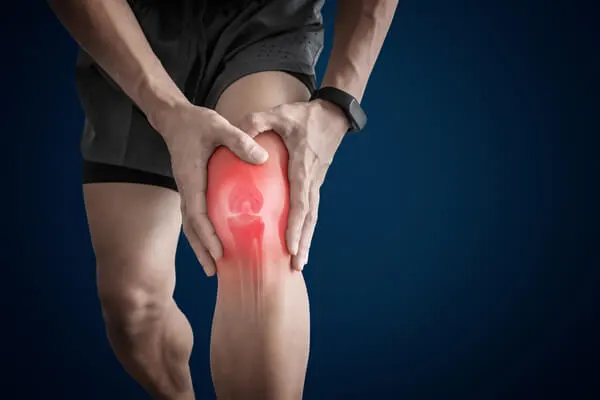
Knee Osteoarthritis is one of the most common degenerative joint disorders, affecting millions of people worldwide. It occurs when the articular cartilage within the knee joint gradually wears away, leading to pain, stiffness, swelling, and functional limitations. The knee joint is a complex hinge joint formed by the femur (thighbone), tibia (shinbone), and patella (kneecap), all of which are cushioned by cartilage and lubricated by synovial fluid.
In Knee Osteoarthritis, this cartilage progressively deteriorates, and the underlying bone may develop spurs (osteophytes), resulting in increased friction and decreased shock absorption. Unlike inflammatory conditions such as rheumatoid arthritis, Knee Osteoarthritis is primarily degenerative, although low-grade inflammation may be present. This condition significantly impairs quality of life, especially in older adults and active individuals.
At DMPhysios, a leading physiotherapy clinic in Noida specializing in spine and sports conditions with a strong emphasis on patient-centered rehabilitation, expert care is provided to individuals dealing with Knee Osteoarthritis to restore function, reduce pain, and improve mobility.
Symptoms
Recognizing the signs of Knee Osteoarthritis early is crucial for timely intervention. Common symptoms include:
- Pain during or after activity: Typically worsens with weight-bearing activities such as walking, climbing stairs, or standing for long periods.
- Stiffness: Particularly after periods of rest or in the morning (“start-up stiffness”).
- Swelling and warmth: Mild joint effusion may occur due to irritation of the synovial lining.
- Crepitus: A crackling or grinding sensation when moving the knee.
- Loss of range of motion: Difficulty fully bending or straightening the knee.
- Joint deformity: In advanced cases, bow-legged (varus) or knock-kneed (valgus) deformities may develop.
- Functional limitations: Reduced ability to perform daily activities like squatting, kneeling, or sitting cross-legged.
Patients presenting at DMPhysios with these symptoms undergo a thorough clinical evaluation, including functional assessment and gait analysis, to determine the severity of Knee Osteoarthritis and to design personalized treatment plans.
Types of Knee Osteoarthritis
While Knee Osteoarthritis is typically classified as a single condition, it can be divided into subtypes based on cause and presentation:
- Primary (Idiopathic) Knee Osteoarthritis
- Occurs without a known underlying cause.
- Strongly associated with aging, genetic predisposition, and repetitive wear-and-tear.
- Secondary Knee Osteoarthritis
- Develops due to an identifiable cause such as trauma, previous knee surgery, congenital deformities, inflammatory joint disease, or metabolic disorders.
- Unicompartmental Knee Osteoarthritis
- Affects only one compartment of the knee—medial, lateral, or patellofemoral.
- Common in active middle-aged adults.
- Bicompartmental or Tricompartmental Knee Osteoarthritis
- Involves two or all three compartments of the knee.
- More severe and disabling.
Identifying the type of Knee Osteoarthritis helps guide treatment strategies at DMPhysios, ensuring targeted and efficient care.
Causes
Knee Osteoarthritis develops due to a combination of mechanical, biological, and biochemical factors. The main causes include:
- Age-related degeneration: Natural wear and tear of cartilage over time.
- Previous injury: Fractures, ligament tears, or meniscal injuries that alter knee biomechanics.
- Obesity: Increased body weight significantly raises the stress on the knee joint.
- Joint malalignment: Varus or valgus deformities increase compartmental stress.
- Repetitive strain: Occupational or sports-related activities involving frequent squatting, kneeling, or lifting.
- Genetic predisposition: Family history of osteoarthritis increases risk.
- Inflammatory conditions: Low-grade synovial inflammation may accelerate cartilage loss.
At DMPhysios, patient history and diagnostic findings are carefully analyzed to determine the underlying cause of Knee Osteoarthritis, allowing for a holistic and personalized treatment approach.
Risk Factors
Certain risk factors make individuals more prone to developing Knee Osteoarthritis:
- Age over 50 years
- Female gender (especially post-menopause)
- Overweight or obesity
- History of knee trauma or surgery
- Occupations requiring heavy physical work
- Genetic factors and family history
- Poor muscle strength in quadriceps and surrounding stabilizers
- Sedentary lifestyle
Recognizing and addressing these risk factors—especially with the help of specialists at DMPhysios—can reduce the incidence or progression of Knee Osteoarthritis.
Treatment
Management of Knee Osteoarthritis is multidisciplinary and tailored to the individual’s severity, functional limitations, and lifestyle needs. It broadly includes:
1. Lifestyle Modifications
- Weight management: Losing even 5–10% of body weight can significantly decrease knee pain.
- Activity modification: Reducing high-impact activities and incorporating low-impact exercises like swimming or cycling.
- Assistive devices: Using canes, knee braces, or orthotics to offload stress.
2. Medications
- Analgesics and NSAIDs: For pain relief and to reduce inflammation.
- Topical agents: Creams or gels with anti-inflammatory ingredients.
- Injections: Corticosteroid or hyaluronic acid injections for temporary symptom relief.
3. Surgical Options
- Arthroscopic debridement: In select cases with mechanical symptoms.
- Osteotomy: For younger patients with malalignment.
- Partial or total knee replacement: For end-stage Knee Osteoarthritis unresponsive to conservative measures.
At DMPhysios, non-surgical management is always prioritized first, with comprehensive physiotherapy forming the cornerstone of treatment for Knee Osteoarthritis.
Physiotherapy Treatment
Physiotherapy is the gold standard for managing Knee Osteoarthritis, helping reduce pain, improve joint function, and slow disease progression. At DMPhysios, a premier clinic in Noida specializing in spine and sports conditions with patient-centered rehabilitation, the physiotherapy program is evidence-based and individualized. Key components include:
1. Pain Management Techniques
- Electrotherapy: Modalities like TENS (Transcutaneous Electrical Nerve Stimulation), ultrasound, and IFT to reduce pain and inflammation.
- Cryotherapy or Heat Therapy: Cold packs for acute flare-ups; moist heat to reduce stiffness.
2. Therapeutic Exercises
A progressive exercise program is at the heart of physiotherapy for Knee Osteoarthritis. Exercises are customized based on the patient’s stage of the condition and physical capacity:
- Strengthening exercises: Focus on the quadriceps, hamstrings, gluteal muscles, and hip stabilizers to improve knee stability. Examples: straight leg raises, mini-squats, terminal knee extensions.
- Flexibility and stretching: Hamstring, quadriceps, calf, and iliotibial band stretches to maintain optimal joint mechanics.
- Low-impact aerobic conditioning: Stationary cycling, aquatic exercises, or brisk walking to enhance cardiovascular health and joint lubrication.
- Neuromuscular training: Balance and proprioception drills using wobble boards or single-leg stands to reduce fall risk and improve knee control.
3. Manual Therapy
- Joint mobilizations to improve range of motion.
- Soft tissue release for surrounding muscles and fascia.
4. Taping and Bracing
- Patellar taping techniques to reduce pain during activity.
- Unloader braces to offload the affected compartment in Knee Osteoarthritis.
5. Education and Self-Management
At DMPhysios, patients are empowered with knowledge about Knee Osteoarthritis, correct posture, activity pacing, and home exercise programs. This patient-centered approach fosters long-term adherence and better outcomes.
Prevention
Although Knee Osteoarthritis cannot always be prevented, especially when age or genetics are factors, several measures can significantly lower the risk or slow its progression:
- Maintain a healthy weight to reduce stress on the knees.
- Stay active with low-impact exercises to strengthen muscles and maintain joint mobility.
- Avoid repetitive high-stress movements like frequent kneeling or squatting.
- Use proper techniques in sports and occupational activities to minimize injury.
- Wear appropriate footwear that provides cushioning and support.
- Address injuries promptly to prevent long-term joint damage.
The specialists at DMPhysios also offer preventive screening programs and customized exercise plans to help at-risk individuals minimize the chance of developing Knee Osteoarthritis.
Conclusion
Knee Osteoarthritis is a progressive yet manageable condition. Early recognition, comprehensive physiotherapy, lifestyle changes, and, when necessary, medical or surgical interventions can greatly improve quality of life.
If you or a loved one are experiencing knee pain, stiffness, or difficulty with daily activities, don’t wait for the symptoms to worsen. The expert team at DMPhysios—a trusted physiotherapy clinic in Noida focusing on spine and sports conditions with a strong patient-centered rehabilitation approach—is ready to help.
With state-of-the-art assessment tools, individualized exercise plans, and evidence-based treatment strategies, DMPhysios has helped countless patients regain mobility, reduce pain, and return to their active lifestyles despite Knee Osteoarthritis.Take the first step toward healthier knees today. Contact DMPhysios for a consultation and experience how dedicated, patient-focused rehabilitation can transform your journey with Knee Osteoarthritis.