Overview
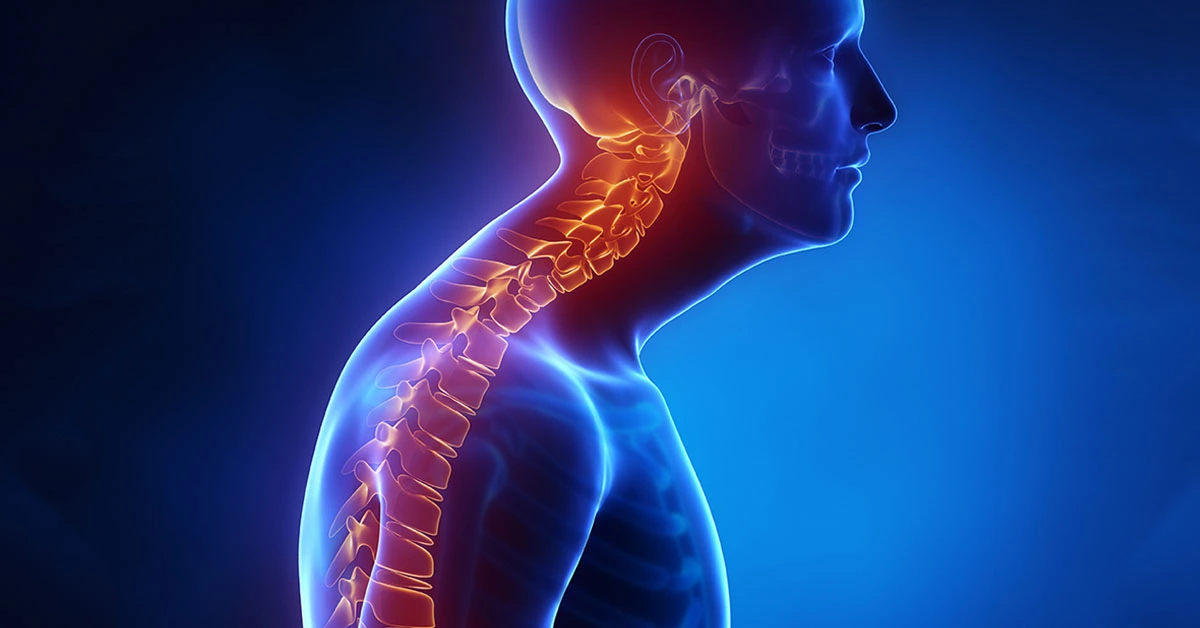
Kyphosis is a spinal deformity marked by an exaggerated forward rounding of the upper back, medically referred to as excessive thoracic curvature. While a normal thoracic spine exhibits a gentle curve ranging between 20 to 45 degrees, Kyphosis is diagnosed when this curvature extends beyond the normal range, typically over 50 degrees.
This abnormal curvature results in a visibly hunched or rounded upper back, often accompanied by postural imbalance, back pain, and, in more severe cases, impaired breathing and restricted spinal mobility.
Although commonly associated with aging—particularly in individuals suffering from osteoporosis or vertebral compression fractures—Kyphosis is not limited to the elderly. It can affect adolescents, young adults, and even children.
Postural Kyphosis is often seen in teenagers due to prolonged slouched sitting, especially with the increased use of digital devices. In other cases, structural abnormalities such as congenital malformations or conditions like Scheuermann’s disease can lead to more rigid forms of Kyphosis that require long-term care.
At DMPhysios, a premier physiotherapy clinic located in Noida, we specialize in the assessment and rehabilitation of spinal deformities like Kyphosis. Our clinic is dedicated to treating spine and sports conditions through evidence-based and patient-centered rehabilitation.
With a strong focus on restoring functional posture and improving spinal alignment, our team of skilled physiotherapists designs tailored treatment programs that address not only the curvature but also the associated muscular imbalances, joint stiffness, and functional limitations. We aim to empower patients through education, advanced manual therapy, postural correction strategies, and individualized exercise programs to enhance their quality of life and prevent recurrence.
Whether the cause of Kyphosis is postural, structural, or degenerative, early diagnosis and the right therapeutic approach can make a significant difference. At DMPhysios, we provide the guidance and clinical expertise needed to help patients stand tall—literally and metaphorically.
Symptoms of Kyphosis
The symptoms of Kyphosis can range from mild aesthetic changes to more serious physical discomfort and functional impairments. Common symptoms include:
- Visible hump or rounding of the upper back
- Poor posture with forward head position and rounded shoulders
- Back pain, especially in the upper or mid-back
- Muscle fatigue due to compensatory postural habits
- Stiffness or limited mobility in the spine
- Tight chest muscles and weakened back extensors
- In severe cases, difficulty breathing due to restricted lung expansion
- Balance issues or changes in gait (in elderly individuals)
Symptoms often worsen with prolonged sitting or standing and may be exacerbated by poor ergonomic habits. At DMPhysios, we perform comprehensive postural and functional assessments to determine the severity and impact of Kyphosis, tailoring treatment accordingly.
Types of Kyphosis
Kyphosis is not a single condition but a spectrum of disorders classified by cause, age of onset, and structural vs postural components. The most common types include:
1. Postural Kyphosis
- Most prevalent in adolescents and young adults
- Caused by poor posture rather than structural deformity
- Flexible curvature that improves when the individual consciously straightens up
- Often linked to prolonged screen time, sedentary lifestyle, or muscle imbalances
2. Scheuermann’s Kyphosis
- Found in teenagers, more common in males
- Results from wedge-shaped vertebrae that cause a rigid, structural curve
- Often accompanied by back pain and stiffness
- Curve does not correct with voluntary posture adjustment
3. Congenital Kyphosis
- Present at birth due to malformation of the vertebrae
- May worsen with growth and requires early medical intervention
- Often more severe and may necessitate surgical correction
4. Degenerative (Senile) Kyphosis
- Occurs in older adults due to osteoporosis, disc degeneration, or vertebral compression fractures
- Commonly seen in women after menopause
- Can significantly impair mobility and quality of life
5. Nutritional or Neuromuscular Kyphosis
- Seen in individuals with neurological disorders or vitamin D deficiency
- May be associated with muscle weakness, poor motor control, or skeletal fragility
Understanding the type of Kyphosis is essential for designing an effective treatment plan. At DMPhysios, our team of specialists is trained to recognize subtle variations and provide customized rehabilitation protocols that meet individual needs.
Causes of Kyphosis
The underlying causes of Kyphosis vary depending on the type but generally involve:
- Poor posture habits, especially during adolescence
- Vertebral malformations (congenital causes)
- Osteoporosis and associated spinal fractures
- Degenerative disc disease
- Muscle imbalances, especially weak spinal extensors and tight chest muscles
- Spinal injuries or trauma
- Infections or tumors affecting the spine
- Neuromuscular conditions such as cerebral palsy or muscular dystrophy
Identifying the root cause is vital to guide treatment. At DMPhysios, we use evidence-based diagnostic protocols, including postural mapping and movement analysis, to uncover the biomechanical and structural contributors to Kyphosis.
Risk Factors
Several risk factors increase the likelihood of developing Kyphosis:
- Prolonged poor posture, especially in school-going adolescents
- Sedentary lifestyle and lack of core/back muscle strengthening
- Osteoporosis or low bone density
- History of spinal injury or surgery
- Genetic predisposition to spinal deformities
- Occupational hazards involving long hours at desks or computers
- Certain chronic diseases (e.g., arthritis, Parkinson’s)
- Vitamin D deficiency leading to soft bones (rickets)
At DMPhysios, we not only treat Kyphosis but also emphasize prevention and early detection, especially in high-risk individuals such as office workers and post-menopausal women.
Treatment
The treatment for Kyphosis depends on the severity, type, age, and associated symptoms. Mild to moderate cases often respond well to conservative treatments, while severe or structural deformities may require surgical consultation.
1. Non-Surgical (Conservative) Management
- Postural retraining and education
- Strengthening exercises for the posterior chain (back, glutes, core)
- Manual therapy and myofascial release
- Bracing, particularly for Scheuermann’s Kyphosis in adolescents
- Pain management with heat, cold packs, or electrical modalities
- Ergonomic modifications at workstations
At DMPhysios, we prioritize conservative, non-invasive treatments as the first line of defense, aiming to correct faulty movement patterns and reduce strain on the spine.
2. Surgical Intervention
- Indicated in severe structural curves (typically >70–75 degrees)
- Involves spinal fusion or osteotomy to correct the deformity
- Usually recommended when pain is unmanageable or the curvature threatens pulmonary or neurological function
Even in post-surgical cases, physiotherapy remains crucial for recovery, which is why DMPhysios offers specialized post-operative rehab programs tailored to individuals recovering from spinal surgeries.
Physiotherapy Treatment
Physiotherapy is one of the most effective tools in managing and improving Kyphosis, especially postural and mild structural forms. At DMPhysios in Noida, we deliver individualized, research-backed rehabilitation programs for Kyphosis with a strong focus on posture correction, mobility, and muscle balance.
Phase 1: Assessment and Education
- Thorough postural analysis and spine curvature measurement
- Flexibility tests to identify tight muscle groups
- Functional assessments (e.g., breathing patterns, shoulder alignment)
- Educating the patient on proper spinal alignment
- Correcting ergonomic errors at home and workplace
Phase 2: Mobility and Flexibility Training
- Stretching of tight anterior muscles (pectoralis major/minor, SCM)
- Thoracic extension mobilization with foam rollers
- Manual therapy to relieve soft tissue restrictions
- Breathing exercises to improve rib mobility
Phase 3: Strengthening and Postural Retraining
- Strengthening spinal extensors (erector spinae, trapezius, rhomboids)
- Core stability exercises (planks, bird dogs)
- Scapular stabilization (rows, wall slides)
- Resistance band work for posterior chain activation
- Postural taping or cueing for proprioceptive feedback
Phase 4: Functional Integration
- Teaching functional lifting techniques
- Balance and coordination drills
- Return-to-activity programs customized for athletes or office workers
- Ongoing monitoring to prevent recurrence
Each Kyphosis patient at DMPhysios receives a tailored exercise prescription and progress tracking, ensuring that rehabilitation evolves with their improvement and goals.
Prevention of Kyphosis
Preventing Kyphosis—especially postural and age-related types—is achievable with conscious lifestyle habits and regular physical activity. Here’s how to stay ahead of this spinal condition:
- Maintain good posture while sitting, standing, and lifting
- Strengthen back and core muscles through resistance training
- Use ergonomic furniture and correct workstation setup
- Avoid slouching or hunching over devices
- Take frequent movement breaks during prolonged sitting
- Monitor bone health, especially in older adults
- Encourage physical activity in adolescents
- Seek early evaluation for postural changes or persistent back pain
At DMPhysios, we are committed not only to treating Kyphosis but also to educating and empowering our patients to prevent it. We conduct posture workshops and ergonomic sessions for schools, corporates, and community centers across Noida.
Conclusion
Kyphosis is more than just a visible postural defect—it can be a chronic, progressive spinal condition that interferes with function, aesthetics, and even lung health if left untreated. From adolescents with postural habits to elderly individuals facing degenerative spine issues, Kyphosis affects a wide spectrum of the population.
At DMPhysios, a Noida-based clinic specializing in spine and sports conditions, we offer comprehensive, personalized physiotherapy treatment for Kyphosis. Our patient-centered approach emphasizes functional recovery, long-term results, and sustainable improvement. Whether you’re experiencing early signs of postural changes or managing advanced curvature, our expert team is here to guide you every step of the way.
Take the first step toward a healthier spine. Book your consultation at DMPhysios today—and let’s realign your posture and your potential.