Overview
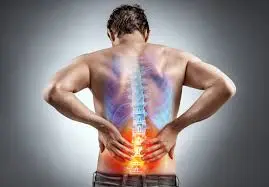
Lumbar spondylosis is a chronic, progressive degenerative condition that affects the lower part of the spine, also known as the lumbar region. This area of the spine plays a crucial role in supporting the upper body, facilitating movement, and absorbing shock during activities such as walking, running, lifting, or even sitting. Over time, the structural components of the lumbar spine—including the intervertebral discs, facet joints, ligaments, and vertebral bodies—undergo age-related wear and tear, leading to a gradual breakdown of normal function.
These degenerative changes are collectively referred to as lumbar spondylosis. Often likened to osteoarthritis of the spine, lumbar spondylosis is characterized by the drying out and shrinking of spinal discs, formation of bony overgrowths (osteophytes), thickening of ligaments, and deterioration of the joints between the vertebrae. These structural changes can result in a variety of symptoms, ranging from intermittent stiffness and localized back pain to radiating leg discomfort, numbness, and even functional impairment when spinal nerves become compressed.
While lumbar spondylosis is traditionally associated with the natural aging process, affecting a significant number of individuals over the age of 40, it is not exclusively an age-related condition. Younger adults are increasingly being diagnosed with lumbar spondylosis due to modern lifestyle factors such as prolonged sitting, poor posture, lack of physical activity, and occupational hazards. People engaged in repetitive heavy lifting, high-impact sports, or jobs involving frequent bending and twisting are particularly at risk. In recent years, the rise in sedentary behavior and poor ergonomic practices—especially in desk-bound professions—has further accelerated the incidence of lumbar spine degeneration among younger populations.
As lumbar spondylosis continues to become a leading cause of chronic lower back pain worldwide, timely diagnosis and effective management have never been more critical. Left unaddressed, the condition can significantly impact an individual’s quality of life, daily functionality, and psychological well-being.
At DMPhysios, a renowned spine and sports injury clinic based in Noida, we recognize the complex and multifactorial nature of lumbar spondylosis. Our expert team of physiotherapists and rehabilitation specialists offers comprehensive, evidence-based care that focuses not just on symptom relief, but on addressing the root causes of the condition. We take pride in our patient-centered rehabilitation approach, which integrates detailed assessments, customized therapy programs, lifestyle modification strategies, and continuous progress tracking to ensure optimal long-term outcomes.
Whether you are struggling with persistent lower back pain, experiencing reduced mobility, or simply aiming to prevent spinal degeneration, DMPhysios is committed to helping you reclaim an active, pain-free life with safe, targeted, and holistic interventions.
Symptoms of Lumbar Spondylosis
Symptoms of lumbar spondylosis can range from mild discomfort to severe disability, depending on the degree of degeneration and whether nerve roots are compressed. The most common symptoms include:
- Chronic lower back pain: Dull and aching, sometimes worsening with prolonged sitting or standing.
- Stiffness: Especially in the morning or after prolonged inactivity.
- Limited range of motion: Difficulty bending, twisting, or straightening the lower back.
- Radiating pain: Pain may radiate to the buttocks, thighs, or legs—known as sciatica—if a nerve is impinged.
- Numbness or tingling: In the legs or feet, due to nerve compression.
- Muscle weakness: Particularly in the lower limbs if nerve signals are disrupted.
- Spinal instability: In severe cases, the spine may feel unstable or prone to locking.
At DMPhysios, our specialists perform a detailed clinical evaluation to differentiate lumbar spondylosis from other causes of lower back pain, such as disc herniation, sacroiliac dysfunction, or muscular strains.
Types of Lumbar Spondylosis
Lumbar spondylosis is not a one-size-fits-all diagnosis. It encompasses a spectrum of degenerative changes that can impact various anatomical structures within the lumbar spine. Understanding the different types of lumbar spondylosis is essential for accurate diagnosis, targeted treatment, and long-term management. At DMPhysios, our clinicians assess the specific type and extent of degeneration to create customized rehabilitation plans that address the root cause of dysfunction, not just the symptoms.
Here are the major types of lumbar spondylosis, categorized by the primary structures involved and the resulting clinical manifestations:
1. Discogenic Spondylosis
This is one of the most common and earliest forms of lumbar spondylosis, where the degeneration primarily affects the intervertebral discs. These discs function as shock absorbers between the vertebral bones and allow for smooth movement of the spine.
Over time, the discs may lose hydration and elasticity, resulting in disc desiccation and reduced disc height. As the cushioning effect diminishes, the vertebrae come closer together, causing increased mechanical stress on adjacent joints and ligaments. In many cases, micro-tears develop in the disc’s outer layer (annulus fibrosus), leading to chronic discogenic pain that is typically felt in the center of the lower back.
Patients with discogenic lumbar spondylosis often report morning stiffness, pain after prolonged sitting, or increased discomfort during spinal flexion (bending forward). At DMPhysios, we use detailed spinal assessments and imaging referrals when necessary to identify disc involvement and guide therapy accordingly.
2. Facet Joint Spondylosis
In this type, the facet joints—small stabilizing joints located at the back of each vertebra—undergo degenerative changes similar to those seen in osteoarthritis. The cartilage that lines the joint surfaces breaks down, leading to bone-on-bone contact, inflammation, and formation of bony overgrowths (osteophytes).
Facet joint spondylosis often presents with localized pain on one or both sides of the lower back, especially during activities that involve spinal extension (bending backward) or rotation. Patients may also experience joint locking, stiffness, or a sensation of “grinding” during movement.
Facet degeneration can coexist with discogenic changes, compounding the problem. At DMPhysios, we employ manual joint mobilizations, joint unloading techniques, and spinal stabilization exercises to offload these joints and reduce pain, improving functional range of motion.
3. Spondylotic Radiculopathy
This type of lumbar spondylosis involves nerve root compression—often a result of foraminal narrowing or spinal canal stenosis caused by disc degeneration, thickened ligaments, or osteophyte formation. When a nerve root is compressed, it leads to a condition known as radiculopathy.
The hallmark symptoms of spondylotic radiculopathy include:
- Radiating pain from the lower back down to the buttocks, thighs, or legs (commonly known as sciatica)
- Numbness or tingling in the legs or feet
- Muscle weakness in the lower limbs
- Loss of reflexes
These symptoms often follow a dermatomal distribution, meaning they affect specific regions of the leg based on the affected spinal nerve. For instance, compression at L4 or L5 may lead to weakness in ankle dorsiflexion or difficulty with heel walking.
At DMPhysios in Noida, we perform detailed neurological screenings, including nerve tension tests and myotome assessments, to pinpoint the level of nerve involvement and design effective treatment plans that may include nerve gliding, decompression positioning, and targeted core stabilization.
4. Spondylotic Myelopathy (Rare in Lumbar Spine)
Although myelopathy—spinal cord compression—is more commonly seen in the cervical spine, there are rare cases where similar pathology occurs in the lumbar spine. This can happen in individuals with congenital abnormalities, such as a tethered spinal cord or conus medullaris anomalies, where the cord descends lower than usual into the lumbar region.
In these rare instances, spondylotic changes such as thickened ligaments, disc protrusions, or bony spurs can contribute to cord compression, leading to symptoms such as:
- Bilateral leg weakness
- Gait disturbances
- Bladder or bowel dysfunction
- Hyperreflexia or clonus
Because lumbar myelopathy is uncommon and potentially serious, early identification is critical. At DMPhysios, we are trained to recognize red flag signs and work closely with spine specialists and neurosurgeons when surgical consultation is necessary.
Summary
| Type of Spondylosis | Primary Structure Affected | Key Symptoms |
| Discogenic Spondylosis | Intervertebral discs | Central lower back pain, stiffness, worse on flexion |
| Facet Joint Spondylosis | Posterior facet joints | Pain on extension or rotation, local tenderness |
| Spondylotic Radiculopathy | Nerve roots | Radiating leg pain, numbness, weakness |
| Spondylotic Myelopathy | (Rare) Spinal cord in lumbar area | Bilateral weakness, gait issues, possible incontinence |
Understanding the distinct patterns of lumbar spondylosis helps in developing more precise and effective rehabilitation strategies, which is exactly what we focus on at DMPhysios—Noida’s trusted clinic for spine and sports conditions. Our goal is to provide individualized, patient-centered rehabilitation that targets the affected structures, improves function, and restores quality of life.
Causes of Lumbar Spondylosis
The primary cause of lumbar spondylosis is age-related degeneration of spinal structures. However, several contributing factors accelerate or exacerbate this process:
- Disc Dehydration and Shrinkage: With age, discs lose water content and elasticity.
- Bone Spur Formation (Osteophytes): The body forms extra bone to compensate for instability, often causing compression.
- Ligament Thickening: Ligaments stiffen and thicken, contributing to canal narrowing.
- Facet Joint Arthritis: Wear and tear cause inflammation and cartilage breakdown.
Understanding these mechanisms is crucial at DMPhysios, where we tailor treatment based on the specific degenerative changes present in each patient.
Risk Factors
Several risk factors increase the likelihood of developing lumbar spondylosis:
- Age > 40 years
- Genetics: Family history of spine degeneration
- Sedentary lifestyle or prolonged sitting
- Occupations involving heavy lifting or twisting
- Repetitive strain injuries
- Obesity: Increased mechanical load on the spine
- Smoking: Accelerates disc degeneration
- Previous spinal trauma or surgery
At DMPhysios, we emphasize early identification of risk factors, particularly in young athletes and desk-bound professionals in Noida, to prevent progression of lumbar spondylosis.
Medical and Conservative Treatment
1. Medications
- NSAIDs (Non-steroidal anti-inflammatory drugs) for pain and inflammation.
- Muscle relaxants for spasms.
- Neuropathic agents like pregabalin or gabapentin if nerve pain is present.
2. Epidural Steroid Injections
- In cases of severe nerve compression, corticosteroids may be injected to reduce inflammation and relieve pain.
3. Bracing
- Lumbar supports or corsets may help in acute phases but are not recommended long-term.
4. Surgical Options
- Only considered in severe cases with neurological deficits or spinal instability.
- Options include laminectomy, spinal fusion, or decompression surgery.
However, most patients with lumbar spondylosis do not need surgery. The foundation of management remains conservative rehabilitation, especially when guided by expert physiotherapists.
Physiotherapy Treatment at DMPhysios
At DMPhysios, our physiotherapy programs are evidence-based and highly individualized, ensuring that each patient with lumbar spondylosis receives a holistic and functional treatment plan. Here’s how we approach it:
1. Comprehensive Assessment
- Posture analysis
- Spinal alignment and range of motion testing
- Neurological screening (reflexes, sensation, muscle strength)
- Gait and functional movement evaluation
2. Pain Management (Phase 1)
- Electrotherapy: Accelerated Healing Therapy for reducing pain and inflammation.
- Manual therapy: Gentle joint mobilizations to improve spinal mobility and reduce stiffness.
- Cryotherapy/Heat therapy: Depending on the inflammation stage.
3. Core Stabilization (Phase 2)
- Strengthening deep spinal stabilizers such as transversus abdominis and multifidus.
- Controlled pelvic tilts, bird-dogs, bridging, and plank variations.
- Focus on motor control and neuromuscular retraining.
4. Mobility and Flexibility Training (Phase 3)
- Lumbar extension/flexion exercises depending on directional preference.
- Hamstring, hip flexor, and piriformis stretching.
- Foam rolling and myofascial release techniques.
5. Functional Rehabilitation (Phase 4)
- Squat mechanics, lifting strategies
- Return-to-work or return-to-sport drills
- Ergonomic re-education for sitting, driving, or standing postures
6. Education and Lifestyle Modification
- Guidance on ergonomic furniture, workstation setup, and sleeping positions.
- Weight management and nutrition advice.
- Structured home exercise plan with tele-rehab follow-ups.
Physiotherapy for lumbar spondylosis at DMPhysios in Noida is not just about pain relief—it’s about restoring independence, preventing recurrences, and enhancing quality of life.
Prevention of Lumbar Spondylosis
While age-related changes can’t be reversed, lumbar spondylosis can be prevented or slowed down with proactive care:
- Stay Active: Regular physical activity strengthens the spine and improves flexibility.
- Practice Good Posture: Especially while sitting or lifting.
- Maintain Healthy Weight: Reduces load on the lumbar spine.
- Quit Smoking: Enhances disc hydration and healing.
- Use Proper Lifting Techniques: Bend at knees, not waist.
- Take Breaks: Especially for desk-bound individuals—micro-breaks every 30 minutes.
- Strengthen Core Muscles: Prevent spinal overloading.
At DMPhysios, we offer preventive spine wellness programs in Noida for individuals at risk or recovering from lumbar spondylosis.
Conclusion
Lumbar spondylosis is a degenerative spine condition that, while common, does not have to lead to chronic disability. With early diagnosis, lifestyle modification, and a structured rehabilitation program, most individuals can live an active and pain-free life.
At DMPhysios, our Noida-based clinic combines expert clinical evaluation, state-of-the-art physiotherapy, and patient-centered care to offer holistic management for lumbar spondylosis. Whether you’re experiencing chronic back pain or seeking preventive strategies, we’re here to help you regain control of your spine health.
Don’t let lumbar spondylosis limit your lifestyle. Visit DMPhysios in Noida today for a personalized spine assessment and evidence-based rehabilitation. Your spine deserves expert care—book your consultation now and take the first step toward lasting relief.