
Overview
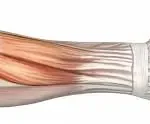
The median nerve is one of the most important nerves supplying the upper limb. Originating from the brachial plexus in the neck, it travels down the arm and forearm, passing through several anatomical tunnels before entering the hand. Along its course, it gives off branches that control the fine motor function of several forearm muscles and provide sensation to the thumb, index finger, middle finger, and part of the ring finger. This combination of sensory and motor control makes the median nerve essential for gripping, pinching, writing, and many other day-to-day tasks.
When the median nerve is subjected to excessive pressure, irritation, or structural narrowing anywhere along its path, the resulting condition is known as median nerve impingement. Rather than being a single disease entity, median nerve impingement describes a spectrum of compressive neuropathies that can occur at multiple points — the carpal tunnel at the wrist, the pronator teres muscle in the forearm, or even higher up near the elbow or thoracic outlet. Because the nerve runs through confined spaces surrounded by tendons, ligaments, and muscles, it is vulnerable to compression from inflammation, repetitive movements, or anatomical variations.
If left untreated, median nerve impingement can progress from intermittent tingling to persistent pain, numbness, weakness, and significant loss of hand and forearm function. Everyday activities like typing, lifting, or sports that rely on grip can become increasingly difficult. At DMPhysios, a leading clinic based in Noida and well known for its expertise in spine and sports conditions with a strong focus on patient-centered rehabilitation, clinicians routinely encounter individuals with median nerve impingement caused by repetitive strain, faulty posture, previous injuries, or systemic conditions. By offering thorough assessments and individualized care plans, DMPhysios helps patients regain comfort, strength, and function while addressing the root causes of their nerve compression.
Symptoms
Recognizing the early signs of median nerve impingement is crucial for timely treatment. Symptoms can vary depending on the site and severity of compression:
- Pain and Tingling: A hallmark sign is pain, tingling, or “pins and needles” in the thumb, index, middle, and radial side of the ring finger.
- Numbness: Decreased or altered sensation in the same fingers, often worse at night or after repetitive hand activity.
- Weakness: Grip strength may reduce, making it difficult to hold objects, open jars, or pinch.
- Clumsiness: Patients may drop items more frequently due to sensory loss and weakness.
- Forearm or Wrist Discomfort: Aching or burning pain radiating into the forearm or elbow region.
- Aggravation with Activity: Symptoms often worsen with activities involving sustained gripping, typing, or wrist flexion.
At DMPhysios, clinicians carefully differentiate median nerve impingement from similar conditions such as cervical radiculopathy or ulnar nerve entrapment through thorough assessment.
Types of Median Nerve Impingement
While the term median nerve impingement is used broadly, it can occur at different anatomical sites, each with unique features:
- Carpal Tunnel Syndrome (CTS):
The most common form of median nerve impingement, occurring at the wrist as the nerve passes under the transverse carpal ligament. Classic features include nocturnal numbness and tingling. - Pronator Teres Syndrome:
Compression of the median nerve as it passes between the two heads of the pronator teres muscle in the forearm. Symptoms include forearm pain and sensory changes without much nocturnal worsening. - Anterior Interosseous Nerve Syndrome:
A purely motor branch of the median nerve may become compressed, leading to weakness in thumb and index finger pinch without sensory loss. - Ligament of Struthers Entrapment:
A rare form of median nerve impingement just above the elbow due to an anomalous fibrous band.
By identifying the specific type, clinicians at DMPhysios tailor treatment protocols to address the underlying mechanism rather than just the symptoms.
Causes
Several factors can contribute to median nerve impingement:
- Repetitive Activities: Prolonged typing, assembly line work, or sports involving repetitive gripping can inflame tendons and compress the nerve.
- Trauma: Fractures or dislocations of the wrist, elbow, or forearm may directly compress the nerve.
- Anatomical Variations: Some people have narrower tunnels or fibrous bands that predispose them to nerve compression.
- Systemic Conditions: Diabetes, hypothyroidism, rheumatoid arthritis, and pregnancy increase the risk of swelling and nerve impingement.
- Poor Posture: Forward head and rounded shoulders can increase tension on neural structures, indirectly contributing to median nerve impingement.
Risk Factors
Certain populations are more prone to developing median nerve impingement:
- Individuals engaged in repetitive manual or keyboard tasks.
- Athletes, especially in racquet sports, weightlifting, or gymnastics.
- People with metabolic disorders (diabetes, thyroid disease).
- Pregnant women due to fluid retention.
- Older adults with degenerative changes.
- Those with prior wrist, elbow, or forearm injuries.
At DMPhysios, clinicians take a holistic history to identify these risk factors and address them proactively.
Treatment
Mild cases of median nerve impingement may respond to conservative measures, while severe cases might require surgical intervention. Medical management may include:
- Activity Modification: Avoiding or altering aggravating tasks.
- Splinting: Especially for carpal tunnel syndrome to keep the wrist in neutral at night.
- Non-Steroidal Anti-Inflammatory Drugs (NSAIDs): To reduce pain and swelling.
- Corticosteroid Injections: Targeted injections may provide temporary relief.
- Surgery: In refractory cases, procedures like carpal tunnel release or decompression at the pronator teres may be performed.
Even when medical treatments are used, physiotherapy plays a central role in both recovery and prevention of recurrence.
Physiotherapy Treatment
Physiotherapy is the cornerstone of managing median nerve impingement effectively and sustainably. At DMPhysios, a Noida-based clinic specializing in spine and sports conditions with patient-centered rehabilitation, the approach is evidence-based and individualized. The key components include:
1. Comprehensive Assessment
- Detailed history taking to differentiate the type and level of median nerve impingement.
- Neurological testing (sensation, motor strength, reflexes).
- Special tests (Phalen’s test, Tinel’s sign, pronator teres test).
- Functional assessment of grip, dexterity, and upper limb biomechanics.
2. Pain and Inflammation Management
- Modalities: Ultrasound, TENS, and cold therapy to reduce pain and swelling.
- Soft Tissue Techniques: Myofascial release of forearm flexors, pronator teres, and surrounding structures to reduce tension on the nerve.
3. Neural Mobilization
- Gentle median nerve gliding and flossing exercises to restore nerve mobility and reduce sensitivity.
- Performed under guidance to prevent aggravation.
4. Stretching and Flexibility
- Stretching of forearm flexors, pronator teres, and pectoral muscles.
- Postural correction stretches for neck and shoulders to reduce neural tension.
5. Strengthening
- Progressive strengthening of wrist extensors, scapular stabilizers, and intrinsic hand muscles to improve biomechanics.
- Grip retraining to restore function and endurance.
6. Ergonomic Education
- Advice on workstation setup, keyboard and mouse use, and breaks.
- Training in joint protection techniques for athletes or workers.
7. Functional Re-Training
- Gradual reintroduction of tasks and sports-specific drills.
- Use of splints or taping to support structures during recovery.
8. Patient Education
- Teaching about symptom triggers, early warning signs, and self-care strategies.
- Home exercise programs tailored to the individual’s needs.
The hallmark of DMPhysios is its patient-centered rehabilitation, ensuring that the program is not just symptom-focused but also addresses the root causes—be it posture, technique, or lifestyle factors—thus minimizing recurrence of median nerve impingement.
Prevention
Prevention is always better than cure. Simple strategies can dramatically reduce the risk of median nerve impingement:
- Maintain Good Posture: Keep the head and shoulders aligned, especially during desk work.
- Take Breaks: Incorporate micro-breaks for stretching during repetitive tasks.
- Optimize Ergonomics: Adjust workstation height, keyboard angle, and wrist position.
- Strengthen Supporting Muscles: Regularly perform exercises for forearm, shoulder, and neck stability.
- Use Proper Technique in Sports: Learn correct grip and motion patterns.
- Manage Medical Conditions: Control diabetes, thyroid issues, and maintain a healthy weight.
Clinicians at DMPhysios routinely provide preventive education to reduce recurrence of median nerve impingement after successful treatment.
Conclusion
Median nerve impingement is a common but often underdiagnosed cause of hand and forearm symptoms that can significantly impact daily life, work, and sports performance. Early recognition, accurate diagnosis, and comprehensive management—including physiotherapy—are essential for optimal recovery.
At DMPhysios, a trusted clinic in Noida specializing in spine and sports conditions with a strong focus on patient-centered rehabilitation, patients receive individualized care plans combining advanced assessment, hands-on therapy, nerve gliding techniques, strengthening, ergonomic advice, and long-term preventive strategies. This holistic approach not only relieves symptoms but also tackles the root causes of median nerve impingement to restore full function.If you or someone you know is experiencing numbness, tingling, or weakness suggestive of median nerve impingement, don’t wait for symptoms to worsen. Contact DMPhysios today to book a comprehensive evaluation and start your journey toward pain-free, confident movement.