Overview
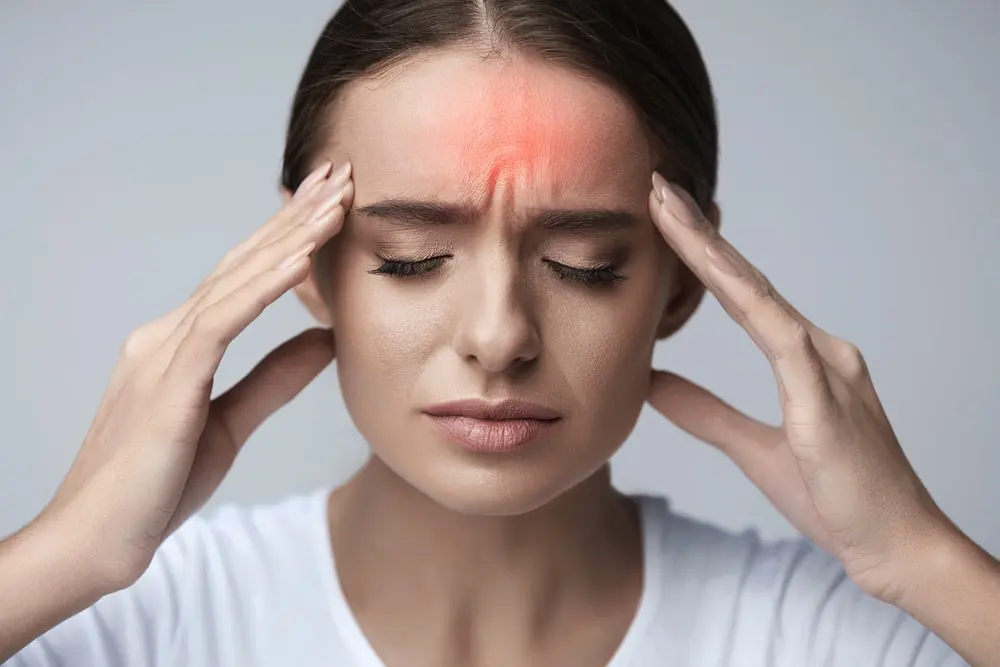
Migraine is far more than just a “bad headache.” It is a multifaceted neurological condition that involves complex changes in the brain and nervous system, leading to recurrent attacks of moderate to severe head pain. These episodes are frequently accompanied by a constellation of other symptoms such as nausea, vomiting, visual disturbances (flashes, zigzags, or blind spots), and an intense sensitivity to light, sound, and even certain smells. Unlike a typical tension headache, a migraine attack can last anywhere from a few hours to several days and may significantly limit a person’s ability to function.
Globally, It is now recognized by the World Health Organization as one of the leading causes of years lived with disability. It affects people of all ages and backgrounds, reducing productivity, straining relationships, and lowering quality of life. In India alone, millions of individuals suffer from recurring it attacks each year, often without a clear diagnosis or adequate treatment. The unpredictable nature of these episodes can interfere with professional responsibilities, household duties, and social activities, leaving many people frustrated and exhausted.
At DMPhysios, a renowned Noida-based clinic specializing in spine and sports conditions with a strong focus on patient-centered rehabilitation, it care is delivered with a truly holistic mindset. The clinical team understands that effective migraine management goes beyond simply masking the pain with medications. Their approach integrates long-term prevention strategies, lifestyle modifications, stress management, and posture or movement corrections to address the root contributors of migraine.
This comprehensive care model helps patients not only recover from acute attacks but also regain control of their daily routines, exercise habits, and overall wellbeing. By addressing the full spectrum of migraine-related challenges, DMPhysios enables individuals to minimize disruptions to work, family life, and recreational activities, ultimately improving their quality of life.
Symptoms
While the hallmark of migraine is intense, often throbbing head pain (usually on one side of the head), the condition is much more than that. A person experiencing it may go through different phases:
- Prodrome Phase (Hours or Days Before the Attack): Fatigue, mood changes, food cravings, yawning, or stiffness in the neck.
- Aura Phase (in Some Migraine Types): Visual disturbances such as flashes of light, zigzag lines, blind spots, or sensory changes like tingling in the face or hands.
- Headache Phase: Moderate to severe head pain lasting 4 to 72 hours, often worsening with movement. Nausea, vomiting, sensitivity to light (photophobia), sound (phonophobia), and even smell may occur.
- Postdrome Phase: After the pain subsides, many feel drained, confused, or unusually tired for a day or two.
Recognizing these It’s symptoms early allows patients to act before the pain peaks. At DMPhysios, physiotherapists often teach clients how to track these phases so that preventive measures can be implemented promptly.
Types of Migraine
It manifests in different forms. Understanding the types helps tailor treatment:
- Migraine Without Aura (Common): The most frequent form, characterized by intense headache without preceding neurological symptoms.
- Migraine With Aura (Classic ): Involves temporary visual or sensory disturbances before the headache.
- Chronic : Headaches occur on 15 or more days per month, with at least eight days fulfilling it criteria.
- Hemiplegic : Rare, but involves temporary weakness on one side of the body.
- Retinal : Causes vision loss or disturbances in one eye before the headache.
- Vestibular : Dizziness and balance issues dominate, sometimes without severe headache.
DMPhysios emphasizes accurate diagnosis because treatment for chronic migraine differs from episodic migraine or vestibular migraine. Their patient-centered rehabilitation programs consider these nuances.
Causes
The exact cause of it is still not fully understood, but research points to a combination of genetic, neurological, and vascular factors. It attacks are believed to result from abnormal brain activity affecting nerve signals, chemicals, and blood vessels in the brain. Key triggers include:
- Hormonal fluctuations (especially in women during menstruation)
- Stress or emotional disturbances
- Certain foods (aged cheese, processed meats, foods containing MSG)
- Alcohol or caffeine overuse
- Lack of sleep or irregular sleep schedules
- Sensory stimuli (bright lights, loud noises, strong smells)
- Weather or barometric pressure changes
At DMPhysios, patients are guided to identify their personal it triggers through detailed lifestyle and dietary tracking. This helps create individualized management plans.
Risk Factors
Certain individuals are more prone to developing migraine:
- Family History: Migraine often runs in families.
- Age: Migraine can begin in childhood but is most common in people aged 18–44.
- Gender: Women are more likely than men to experience it , partly due to hormonal influences.
- Lifestyle Factors: Poor posture, prolonged screen time, and high stress increase the risk.
- Other Medical Conditions: Depression, anxiety, sleep disorders, and some musculoskeletal conditions can increase susceptibility.
At DMPhysios, these risk factors are evaluated in depth during assessments to build a patient-centered rehabilitation plan, not only to treat migraine but also to minimize recurrences.
Treatment
Migraine treatment involves two broad approaches — acute (to stop the attack) and preventive (to reduce frequency and severity).
1. Acute Treatment
Used when an attack begins to relieve symptoms:
- Over-the-counter pain relievers (ibuprofen, naproxen, paracetamol)
- Triptans (prescription medications specifically for migraine)
- Anti-nausea drugs
- Resting in a dark, quiet room
2. Preventive Treatment
Aimed at reducing migraine frequency and intensity:
- Beta-blockers or calcium channel blockers
- Anti-seizure medications
- Antidepressants in low doses
- Newer monoclonal antibody injections (for chronic migraine)
However, medications alone may not be sufficient. That’s where non-pharmacological strategies such as physiotherapy at DMPhysios can be transformative.
Physiotherapy Treatment
Physiotherapy is increasingly recognized as a valuable component of migraine management, especially when musculoskeletal dysfunctions or lifestyle factors contribute to attacks. At DMPhysios, physiotherapy for it is focuses on:
1. Posture Correction and Ergonomic Training
Poor posture, particularly forward head posture from prolonged screen time, can increase tension in the neck and shoulders — a common migraine trigger. Physiotherapists at DMPhysios assess your posture and teach you ergonomic adjustments for workstations, driving, and daily activities.
2. Manual Therapy
Hands-on techniques such as soft tissue mobilization, myofascial release, and cervical spine mobilization help reduce muscle tension, improve blood flow, and alleviate the musculoskeletal components contributing to migraine. These techniques are especially helpful for patients whose it is linked to neck stiffness or tension headaches.
3. Therapeutic Exercises
Specific exercises can reduce migraine frequency by improving neck stability, upper back mobility, and overall circulation:
- Deep Neck Flexor Training: Strengthens postural support muscles to relieve cervical stress.
- Scapular Stabilization Exercises: Enhances shoulder blade support to reduce upper trapezius overactivity.
- Thoracic Extension Mobility Drills: Counteracts slouched posture.
- Breathing Exercises: Helps regulate nervous system activity and reduce stress.
The team at DMPhysios designs individualized exercise programs for migraine patients, progressing intensity as symptoms improve.
4. Stress Management Techniques
Because stress is a major trigger for it , physiotherapists integrate relaxation training, diaphragmatic breathing, and guided movement therapy into the rehab program. This holistic approach addresses both physical and emotional factors.
5. Education and Self-Management
Patients learn how to:
- Recognize early migraine warning signs
- Apply cold packs or heat at the onset of symptoms
- Practice micro-breaks during work
- Incorporate regular physical activity safely
By empowering patients, DMPhysios ensures that migraine management extends beyond the clinic into everyday life.
6. Modalities
Depending on patient needs, modalities like TENS (Transcutaneous Electrical Nerve Stimulation), ultrasound, or dry needling may be used to relieve muscle tension and pain associated with migraine.
Physiotherapy at DMPhysios does not replace medical treatment but complements it, often leading to reduced medication dependence and improved quality of life.
Prevention
Preventing migraine is as important as treating it. Key preventive strategies include:
- Identifying Triggers: Maintain a migraine diary to spot patterns.
- Regular Sleep Schedule: Go to bed and wake up at the same time daily.
- Balanced Diet: Avoid known food triggers; eat regularly to maintain blood sugar.
- Hydration: Dehydration can trigger migraine attacks.
- Stress Management: Yoga, meditation, and breathing exercises can reduce frequency.
- Regular Physical Activity: Low-impact exercises like walking, swimming, or pilates help regulate the nervous system.
- Posture Awareness: Especially for desk workers, take frequent breaks to stretch and correct posture.
At DMPhysios, prevention is at the heart of their migraine management programs. Their patient-centered rehabilitation model emphasizes education, self-care, and long-term strategies to minimize recurrence.
Conclusion
Migraine is a complex condition that goes far beyond just head pain. It affects quality of life, productivity, and emotional well-being. Understanding its symptoms, types, causes, and risk factors is crucial to effective management. While medications play a role, comprehensive care that addresses posture, lifestyle, and stress can significantly reduce migraine burden.
DMPhysios, a Noida-based clinic for spine and sports conditions that prioritizes patient-centered rehabilitation, offers holistic migraine care combining physiotherapy, education, and lifestyle management. If you or someone you know struggles with this, don’t wait for the next attack to strike. Reach out to DMPhysios for an assessment and begin a personalized plan to reclaim your life from this. If it is interfering with your work, fitness, or family time, take control today. Contact DMPhysios in Noida to schedule an expert consultation and discover how patient-centered physiotherapy can help you prevent and manage migraine effectively. With the right support, you can reduce it attacks, minimize medication reliance, and return to living pain-free.