Overview
Osgood Schlatter Disease is a prevalent overuse injury that primarily affects the knee joint, particularly in growing adolescents who are experiencing rapid physical development during puberty. It is most commonly observed in active children and teenagers between the ages of 10 and 15, especially those who participate regularly in high-impact sports such as football, basketball, volleyball, gymnastics, or athletics.
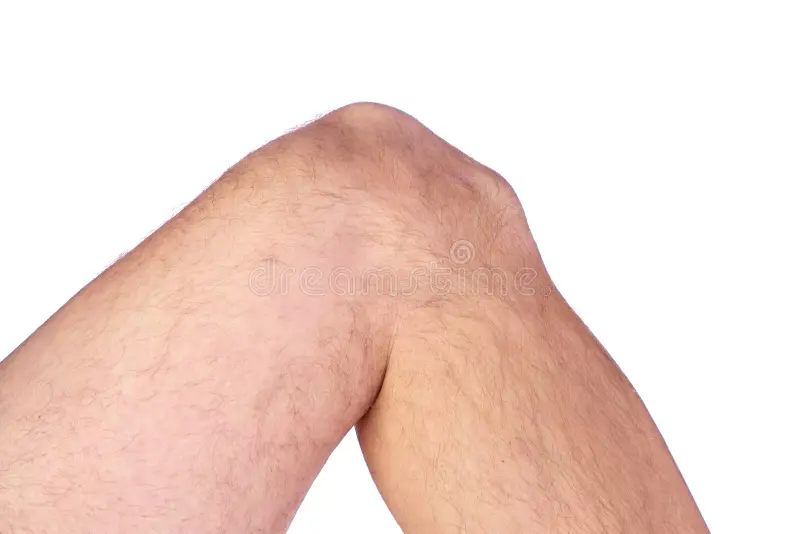
This condition is defined by inflammation and irritation of the patellar tendon at the point where it attaches to the tibial tuberosity—a bony prominence located just below the kneecap (patella). Over time, repeated stress and traction on this area lead to microtrauma, resulting in pain, swelling, and, in some cases, a visible bony bump below the knee.
Despite being referred to as a “disease,” Osgood Schlatter Disease is neither infectious nor systemic in nature. Instead, it is a localized musculoskeletal condition that arises as a natural consequence of the imbalances between rapid bone growth and slower soft tissue adaptation during adolescence. The quadriceps muscle, which plays a major role in knee extension, exerts increased tension on the patellar tendon, which in turn pulls on the tibial tuberosity—causing pain and inflammation. The hallmark feature of this condition is activity-related knee pain that intensifies during running, jumping, squatting, or climbing stairs and usually improves with adequate rest and modification of activities.
At DMPhysios, a premier physiotherapy clinic located in Noida specializing in spine and sports conditions, we routinely manage cases of Osgood Schlatter Disease with a personalized, patient-centered rehabilitation approach. Our clinical expertise allows us to address the unique challenges posed by this condition in adolescents, ensuring not only pain relief but also long-term recovery, safe return to activity, and overall joint health. With a focus on manual therapy, movement correction, and strengthening, DMPhysios has become a trusted name for managing pediatric and adolescent sports injuries with compassion and clinical excellence.
Symptoms
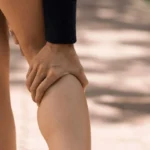
The hallmark symptom of Osgood Schlatter Disease is localized pain just below the kneecap (at the tibial tuberosity). The symptoms can vary in intensity and duration. Commonly reported symptoms include:
- Pain at the front of the knee, below the kneecap
- Swelling or tenderness over the tibial tubercle
- A visible and palpable bump at the shinbone
- Increased pain during physical activities such as running, squatting, jumping, or climbing stairs
- Muscle stiffness in the surrounding areas, especially in the quadriceps and hamstrings
- Relief of pain with rest and exacerbation with activity
- In more severe cases, discomfort may lead to limping or changes in walking patterns.
At DMPhysios, our clinicians evaluate these symptoms thoroughly, taking into account the individual’s age, activity level, and medical history to form a complete clinical picture of Osgood Schlatter Disease.
Types
While Osgood Schlatter Disease is generally categorized as a singular condition, it may present differently depending on severity:
- Acute Osgood Schlatter Disease:
- Sudden onset of symptoms, usually following an increase in activity.
- More common in younger adolescents experiencing a rapid growth phase.
- Chronic Osgood Schlatter Disease:
- Persistent or recurring symptoms over months or years.
- Often associated with repeated stress and inadequate rest or rehabilitation.
- Bilateral Osgood Schlatter Disease:
- Occurs in both knees, which is seen in about 20-30% of affected individuals.
At DMPhysios, we understand that each type may require a tailored treatment plan. Our personalized rehabilitation programs are crafted to manage both acute and chronic presentations effectively.
Causes
The primary cause of Osgood Schlatter Disease is repetitive stress and strain on the growth plate of the tibial tuberosity during periods of rapid bone growth. During adolescence, the rapid growth of bones outpaces that of muscles and tendons, creating added tension on the patellar tendon.
Key contributing mechanisms include:
- Overuse from repetitive sports movements such as jumping and running
- Sudden increases in training intensity or frequency
- Tight quadriceps pulling on the tibial tuberosity
- Poor biomechanics during movement
- Inadequate warm-up or cool-down practices
Our team at DMPhysios focuses on identifying these biomechanical contributors and correcting them through targeted physiotherapy.
Risk Factors
Several factors can increase the likelihood of developing Osgood Schlatter Disease:
- Age: Most common in children between 10 and 15 years old
- Gender: Traditionally more common in males, though the gap is narrowing with increased female sports participation
- Activity Level: High-impact sports like football, basketball, gymnastics, and athletics
- Growth Spurts: Periods of rapid growth during puberty
- Muscle Imbalance: Tight quadriceps and weak hamstrings
- Inadequate Rest: Lack of recovery time between training sessions
At DMPhysios, we emphasize early identification of risk factors and promote injury prevention strategies for growing athletes.
Treatment
The treatment for Osgood Schlatter Disease focuses on reducing pain, managing inflammation, and allowing the affected area to heal without permanent damage. Most cases resolve on their own with conservative measures, though the process may take several months.
Conservative Management:
- Rest and Activity Modification: Temporarily avoiding activities that trigger pain.
- Ice Therapy: Applying ice to the knee for 15–20 minutes, 3–4 times a day to reduce inflammation.
- NSAIDs: Use of non-steroidal anti-inflammatory drugs like ibuprofen (under medical supervision).
- Supportive Bracing: Knee straps or patellar tendon supports to offload tension.
- Footwear Modification: Ensuring proper footwear to correct alignment.
However, recovery is often incomplete without a structured physiotherapy program, which is where DMPhysios excels in delivering individualized rehabilitation for Osgood Schlatter Disease.
Physiotherapy Treatment
At DMPhysios, our physiotherapy approach to Osgood Schlatter Disease is evidence-based and customized to the needs of each patient. Our goal is not only symptom relief but long-term joint health and performance optimization.
Initial Phase – Pain Management and Protection
- Activity Modification: Avoid aggravating activities.
- Cryotherapy: Ice massage or cold packs.
- Patellar Taping/Strapping: To reduce tension on the tibial tuberosity.
- Modalities: Accelerated Healing Therapy to control inflammation.
Intermediate Phase – Flexibility and Mobility
- Stretching Exercises:
- Quadriceps Stretching: Vital to relieve pull on the tibial tubercle.
- Hamstring Stretching: To improve posterior chain flexibility.
- Iliotibial Band Stretching: Especially important in runners.
- Foam Rolling: For myofascial release of tight muscle groups.
Strengthening Phase – Muscle Re-education
- Closed Chain Exercises:
- Wall sits
- Partial squats (within pain-free range)
- Step-ups
- Isometric Strengthening:
- Especially for quads, to avoid excessive strain.
- Progressive Resistance Training:
- Focus on quads, hamstrings, glutes, and calves
- Use of resistance bands and body weight initially, progressing to external weights
Neuromuscular Control and Balance
- Proprioceptive Training:
- Balance boards
- Single-leg stance exercises
- Core stability exercises
Return-to-Sport Conditioning
- Sport-specific drills
- Plyometrics under supervision
- Jump landing technique training
Home Exercise Program
- Patients are educated and provided with a structured home program to maintain progress.
Our expert physiotherapists at DMPhysios ensure regular assessments and progression of the plan, keeping the patient and their family involved in every step.
Prevention
While Osgood Schlatter Disease can be difficult to prevent entirely, especially in highly active adolescents, the risk can be significantly minimized with these strategies:
- Pre-Participation Screening: Identifying muscle imbalances or tightness early
- Proper Warm-Up/Cool-Down: Incorporating dynamic and static stretches
- Strength and Flexibility Training: Balanced programs targeting the lower limbs
- Load Management: Avoiding sudden increases in activity intensity or duration
- Education: Teaching young athletes and their families about the signs and importance of early management
At DMPhysios, we run sports screening camps and injury prevention workshops in schools and sports academies around Noida to raise awareness and keep athletes pain-free.
Conclusion
Osgood Schlatter Disease is a self-limiting yet challenging condition for growing children and adolescents. While it often resolves with time, appropriate diagnosis and management are essential to prevent long-term discomfort or disruption to sporting activities. Ignoring symptoms or continuing high-impact activity without intervention may worsen the condition or cause complications like bony prominence or chronic pain.
At DMPhysios, a Noida-based clinic dedicated to spine and sports rehabilitation, we specialize in comprehensive, patient-centered care for conditions like Osgood Schlatter Disease. With a strong emphasis on manual therapy, movement correction, and customized physiotherapy, we guide each patient from pain relief to performance restoration.
If your child or student-athlete is experiencing knee pain, don’t wait. Reach out to DMPhysios for expert evaluation and personalized treatment. We’re here to keep your young champions healthy, active, and thriving.