Overview
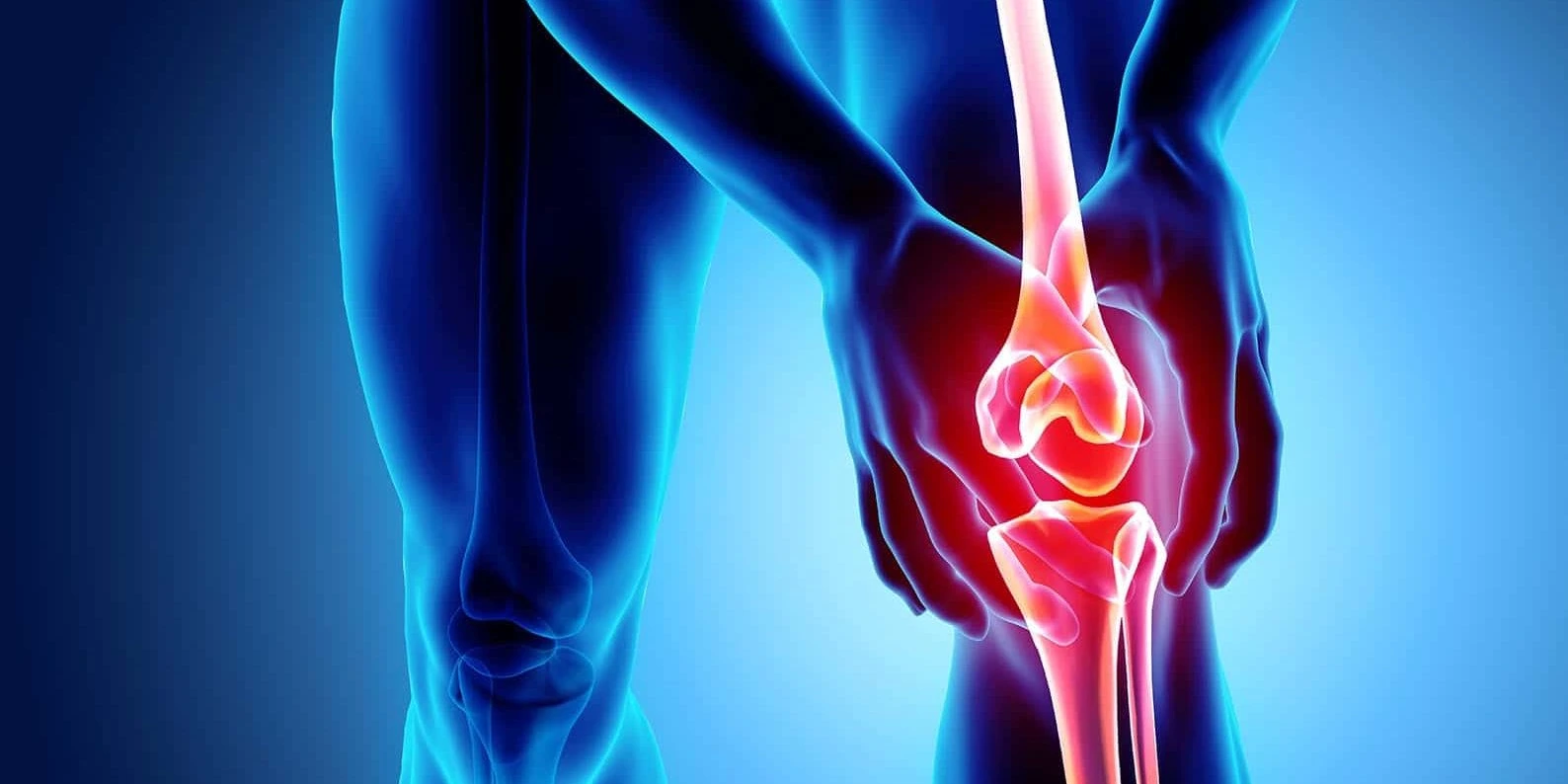
Osteoarthritis is a long-term, progressive joint disorder that primarily involves the deterioration of articular cartilage, structural changes in the underlying bone, and varying degrees of inflammation in the joint lining (synovium).
As the most prevalent form of arthritis worldwide, osteoarthritis is a major contributor to chronic pain and physical disability, particularly among the aging population. However, its impact is not limited to the elderly—adults of all ages can experience this condition due to a variety of contributing factors.
Osteoarthritis most commonly affects weight-bearing joints such as the knees, hips, spine, and also the small joints of the hands, although virtually any joint in the body can be involved. The condition typically manifests as joint pain, stiffness, swelling, reduced range of motion, and a progressive loss of functional ability. Over time, this can severely affect a person’s independence, ability to work, and overall quality of life.
While osteoarthritis is frequently referred to as a “wear and tear” disease, this description is an oversimplification. Although mechanical stress from years of joint use plays a significant role, osteoarthritis is a complex interplay of mechanical, biological, and inflammatory processes.
Factors such as joint injuries, muscle weakness, obesity, biomechanical imbalances, repetitive strain, and even genetic predisposition all contribute to the development and progression of the disease. Moreover, low-grade chronic inflammation within the joint is now recognized as a key driver in joint degradation and pain.
At DMPhysios, a highly regarded physiotherapy clinic in Noida known for its excellence in managing spine and sports-related conditions, we adopt a patient-centered approach to treating osteoarthritis.
Our team of skilled physiotherapists and clinicians focuses on understanding each individual’s unique condition, lifestyle, and goals. We integrate personalized physiotherapy protocols, movement education, joint protection strategies, and evidence-based rehabilitation methods to relieve pain, restore mobility, and improve long-term joint health.
Whether you are in the early stages of osteoarthritis or dealing with advanced joint degeneration, DMPhysios is committed to helping you move better, live stronger, and maintain your independence through compassionate and expert-led care.
Symptoms
The presentation of osteoarthritis can vary based on the joint involved, the severity of the condition, and the patient’s activity level. Common symptoms include:
- Joint Pain: Commonly felt after physical activity or towards the end of the day.
- Stiffness: Most notable after periods of inactivity or in the morning (usually lasts less than 30 minutes).
- Swelling: Mild to moderate inflammation may occur in affected joints.
- Loss of Flexibility: Decreased joint range of motion.
- Grating Sensation: A feeling of grinding or crackling during joint movement.
- Bone Spurs: Bony growths (osteophytes) may form around the joint margins.
- Muscle Weakness: Especially in surrounding muscles due to disuse or altered biomechanics.
At DMPhysios, our team of experts evaluates these symptoms in detail to determine the extent of osteoarthritis and to tailor a treatment plan that matches each patient’s unique goals.
Types of Osteoarthritis
Osteoarthritis is broadly classified into two main categories:
1. Primary Osteoarthritis
This type is idiopathic, meaning it has no identifiable cause. It typically develops with age and affects multiple joints—commonly the knees, hips, hands, and spine.
2. Secondary Osteoarthritis
This occurs as a result of another condition, such as:
- Trauma or joint injury
- Obesity
- Congenital joint disorders
- Rheumatoid arthritis
- Diabetes or other metabolic diseases
Understanding the type of osteoarthritis helps clinicians at DMPhysios design the most effective rehabilitation program, particularly for patients with complex histories or comorbidities.
Causes
Osteoarthritis develops when the cartilage that cushions the ends of bones in a joint deteriorates over time. As the cartilage wears down, bones begin to rub against each other, causing pain and structural changes. The causes include:
- Age-related degeneration
- Repetitive stress injuries
- Joint trauma (fractures, dislocations)
- Muscle weakness and poor joint alignment
- Hormonal imbalances
- Congenital abnormalities
At DMPhysios, we emphasize early identification of contributing factors to slow the progression of osteoarthritis and preserve joint function.
Risk Factors
Certain individuals are more prone to developing osteoarthritis due to:
- Age: The likelihood of developing osteoarthritis rises notably after age 50.
- Gender: Women are more prone to osteoarthritis, especially in the knees and hands.
- Obesity: Excess weight adds mechanical stress to joints and may lead to inflammatory changes.
- Genetics: A family history of osteoarthritis can increase susceptibility.
- Occupation: Jobs involving repetitive joint motion or heavy lifting.
- Joint Injuries: Previous injuries or surgeries may predispose a joint to degeneration.
- Poor Posture and Biomechanics: Malalignment or muscular imbalances can accelerate joint wear.
Identifying these risk factors during clinical assessments allows the DMPhysios team to take a preventive and proactive approach.
Treatment
There is no permanent cure for osteoarthritis, but a combination of medical and non-medical treatments can effectively manage symptoms and improve function.
1. Medications
- Analgesics: Such as acetaminophen or NSAIDs to relieve pain.
- Topical Agents: Creams containing capsaicin or anti-inflammatories.
- Injections: Corticosteroids or hyaluronic acid into the affected joint.
2. Lifestyle Modifications
- Weight reduction to decrease stress on weight-bearing joints.
- Low-impact exercises such as walking, swimming, or cycling.
- Joint protection strategies, like using assistive devices.
3. Surgical Options
For advanced osteoarthritis unresponsive to conservative treatment:
- Arthroscopy
- Osteotomy
- Joint replacement (arthroplasty)
However, surgery is often considered the last resort. At DMPhysios, our priority is conservative management through evidence-based physiotherapy techniques.
Physiotherapy Treatment
Physiotherapy plays a central role in managing osteoarthritis, especially in slowing disease progression, reducing pain, and improving functional independence. At DMPhysios, our Noida-based physiotherapy clinic customizes rehabilitation programs using the latest in clinical research and technology.
Initial Assessment
We conduct a detailed assessment of:
- Joint range of motion
- Muscle strength
- Posture and gait
- Functional limitations
- Pain behavior
This forms the baseline for an individualized care plan.
Treatment Modalities Include:
1. Therapeutic Exercises
- Strength Training: Focused on strengthening the quadriceps, glutes, and core to support joints.
- Range of Motion Exercises: To improve joint flexibility and prevent contractures.
- Aerobic Conditioning: Low-impact exercises to improve cardiovascular health without stressing joints.
- Neuromuscular Re-education: Correcting faulty movement patterns.
2. Manual Therapy
- Joint mobilization to improve mobility
- Soft tissue manipulation to reduce muscle stiffness and trigger points
3. Pain Management Techniques
- Accelerated Healing Therapy: For reducing pain, stiffness and swelling
- Cryotherapy or Thermotherapy
4. Postural and Gait Training
- Correction of poor biomechanics
- Use of orthotics, insoles, or braces if necessary
5. Patient Education
- Joint protection techniques
- Activity pacing and energy conservation
- Importance of adherence to home exercise plans
6. Hydrotherapy
Water-based exercise reduces joint load while allowing safe movement and strengthening.
At DMPhysios, our multidisciplinary team collaborates to track patient progress, update goals regularly, and ensure that osteoarthritis does not hinder daily living or mental well-being.
Prevention
While osteoarthritis cannot always be prevented, especially in cases of genetic predisposition or aging, proactive steps can significantly reduce its onset and severity:
- Maintain a healthy weight to reduce joint load
- Stay physically active with low-impact exercises
- Use ergonomic furniture and proper body mechanics
- Avoid repetitive stress and overuse injuries
- Address joint injuries early and effectively
- Wear appropriate footwear to support the joints
- Incorporate strength and flexibility training into weekly routines
DMPhysios conducts preventive physiotherapy sessions and workplace ergonomic assessments in Noida to educate and empower individuals at risk of developing osteoarthritis.
Conclusion
Osteoarthritis is more than just an aging-related condition—it affects millions globally and can severely compromise mobility, independence, and quality of life. However, with early intervention, lifestyle changes, and the right physiotherapy guidance, its progression can be significantly delayed and managed effectively.
At DMPhysios, located in Noida and specializing in spine and sports conditions, we are committed to providing patient-centered rehabilitation that addresses not just the joint, but the person as a whole. Whether you are newly diagnosed or struggling with chronic joint pain, our tailored physiotherapy programs ensure that you regain control over your life—pain-free and active.If you or a loved one is experiencing symptoms of osteoarthritis, don’t wait. Reach out to DMPhysios, Noida’s trusted physiotherapy clinic for spine and sports conditions, and begin your journey towards lasting relief and mobility. Book your consultation today and discover the difference that patient-centered care can make.