Overview
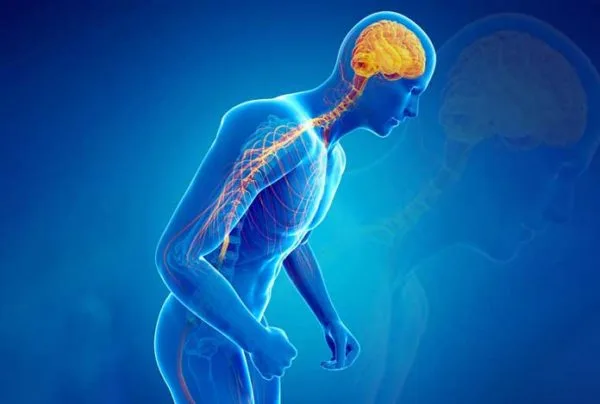
Parkinsons disease is a chronic, progressive neurodegenerative disorder that primarily disrupts the body’s ability to control movement. It develops when there is a gradual decline in dopamine-producing neurons within a specific area of the brain known as the substantia nigra.
Dopamine is an essential neurotransmitter that facilitates smooth, well-coordinated muscle activity. As these critical neurons deteriorate over time, the brain’s chemical balance becomes disrupted, leading to the classic motor symptoms of Parkinson’s disease. These include persistent tremors, muscle rigidity, bradykinesia—which refers to slowness of movement—and postural instability, which increases the risk of falls and impacts daily independence.
On a global scale, Parkinson’s disease ranks as the second most prevalent neurodegenerative disorder, surpassed only by Alzheimer’s disease. Its occurrence continues to rise steadily as life expectancy increases, making it an important public health concern.
Although Parkinson’s disease is not considered directly life-threatening, its progressive nature profoundly affects an individual’s functional abilities and can significantly reduce overall quality of life. The disease typically requires lifelong medical management, rehabilitation interventions, and consistent support to help individuals maintain independence and well-being.
At DMPhysios, a trusted physiotherapy clinic located in Noida and renowned for its expertise in spine and sports conditions, we are committed to a patient-centered rehabilitation approach. Our programs for Parkinsons disease focus not only on evidence-based physical therapy but also on functional retraining, mobility enhancement, and emotional support, empowering each patient to lead a more active, fulfilling life despite the challenges of the condition.
Symptoms
The symptoms of Parkinson’s disease often develop slowly and can vary significantly from person to person. The hallmark signs include:
Motor Symptoms:
- Tremors: Usually starting in the hands or fingers, even when at rest.
- Bradykinesia: Slowed movement, making daily tasks more time-consuming and difficult.
- Muscle Rigidity: Stiffness in the limbs and trunk, often leading to pain and reduced range of motion.
- Postural Instability: Impaired balance and coordination, increasing fall risk.
- Gait Abnormalities: Shuffling walk, reduced arm swing, or freezing episodes.
Non-Motor Symptoms:
- Depression and Anxiety
- Cognitive Impairment
- Sleep Disorders
- Constipation
- Fatigue
- Loss of Smell (anosmia)
- Speech Changes: Slurred or soft speech
- Writing Changes: Micrographia, or small and cramped handwriting
Recognizing early signs and receiving a comprehensive assessment—such as those available at DMPhysios in Noida—can play a key role in effective management and improved long-term outcomes.
Types of Parkinson’s Disease
Parkinsons disease can be classified into different types based on symptom presentation and underlying causes:
- Idiopathic Parkinsons Disease is the most prevalent form of the condition, characterized by the absence of a clearly identifiable cause.
- Secondary Parkinsonism: Resulting from medications (e.g., antipsychotics), toxins, or other neurological conditions.
- Parkinson Plus Syndromes: These include conditions like Multiple System Atrophy (MSA), Progressive Supranuclear Palsy (PSP), and Corticobasal Degeneration, which present with additional symptoms and progress faster.
- Young-Onset Parkinson’s Disease: Diagnosed in individuals under 50; often progresses more slowly but can have different complications.
Understanding the type of Parkinsons disease helps tailor specific treatment and rehabilitation strategies, which is a key focus at DMPhysios, where every treatment plan is customized to the patient’s condition and goals.
Causes
The precise cause of Parkinsons disease is still unclear, though studies indicate it likely results from a mix of genetic predisposition and environmental influences.
- Genetic Factors: Mutations in certain genes (e.g., LRRK2, PARK7, PINK1, and SNCA) can increase the risk.
- Environmental Triggers: Long-term exposure to pesticides, heavy metals, and rural living has been linked to higher incidences.
- Loss of Dopaminergic Neurons: Damage to neurons in the substantia nigra is the central mechanism, though the cause of this neuronal death varies.
Although Parkinson’s disease cannot currently be cured, early intervention through physical therapy and lifestyle changes—like those offered at DMPhysios—can significantly reduce the burden of symptoms.
Risk Factors
Various factors can contribute to a higher risk of developing Parkinsons disease, including:
- Age: Risk rises significantly after the age of 60.
- Family History: Having a close relative with Parkinson’s increases risk.
- Gender: Parkinson’s disease tends to occur more frequently in men than in women.
- Environmental Exposure: Farming, well water consumption, and exposure to herbicides or industrial pollutants.
- Head Trauma: A history of concussions or repeated brain injury.
At DMPhysios, our specialists take a detailed history to identify such risk factors, which allows us to provide not just symptom-based care, but also preventive and proactive rehabilitation strategies.
Treatment
Parkinsons disease is managed through a combination of medications, surgical options, lifestyle adjustments, and physiotherapy.
1. Medications
- Levodopa/Carbidopa: The most effective medication to replenish dopamine.
- Dopamine Agonists: Mimic dopamine in the brain (e.g., pramipexole).
- MAO-B Inhibitors: Prevent dopamine breakdown.
- Anticholinergics: Help control tremors.
- COMT Inhibitors: Prolong the effect of Levodopa.
2. Surgical Interventions
- Deep Brain Stimulation (DBS): Electrodes implanted in the brain help manage motor symptoms.
- Focused Ultrasound Surgery: A less invasive option for specific cases.
3. Lifestyle Modifications
- Nutritional support, regular physical activity, sleep regulation, and mental health care form the cornerstone of holistic management.
Physiotherapy Treatment
Physiotherapy plays a critical role in the long-term management of Parkinsons disease, improving mobility, posture, gait, and overall independence. At DMPhysios, our patient-centered rehabilitation approach is tailored to the individual’s stage of Parkinson’s disease, functional limitations, and personal goals.
Comprehensive Physiotherapy Goals at DMPhysios:
- Improve balance and coordination
- Maintain or enhance range of motion
- Improve muscle strength and postural alignment
- Reduce the risk of falls
- Promote independence in daily activities
Key Physiotherapy Techniques Used:
1. Gait Training
- Visual and auditory cues (e.g., metronomes, floor markers) to overcome freezing episodes
- Treadmill walking to improve stride length and cadence
- Heel-to-toe walking for better balance
2. Balance and Coordination Exercises
- Standing on foam surfaces or balance boards
- Single-leg stands and obstacle navigation
- Dual-task training to handle cognitive and motor tasks together
3. Strength Training
- Resistance band exercises for core, glutes, and lower limb strengthening
- Sit-to-stand practice to improve lower body power
- Functional strengthening using stair climbs, squats, and reach tasks
4. Flexibility and Posture Correction
- Passive and active stretching routines for neck, shoulders, spine, and hips
- Thoracic extension and scapular retraction exercises to correct stooped posture
- Foam roller and wall stretch drills for spinal mobility
5. Respiratory Exercises
- Diaphragmatic breathing
- Incentive spirometry to enhance lung volume and prevent aspiration pneumonia
6. LSVT BIG Program
- An evidence-based physiotherapy protocol involving exaggerated movement training
- Focused on recalibrating movement amplitude for better motor control
7. Functional Training
- Task-specific training like buttoning shirts, turning in bed, or using cutlery
- ADL (Activities of Daily Living) re-education
At DMPhysios, our therapists routinely assess progress using tools like the UPDRS (Unified Parkinsons Disease Rating Scale) and adapt plans every few weeks to match patient progression. We also involve caregivers in the rehab process to improve at-home support.
Prevention
Currently, there is no known way to fully prevent Parkinson’s disease, especially when it is idiopathic. However, some lifestyle strategies may reduce risk or delay onset:
- Regular Exercise: Improves brain plasticity and dopamine regulation.
- Healthy Diet: Mediterranean or plant-based diets rich in antioxidants and anti-inflammatory foods.
- Avoiding Environmental Toxins: Limiting exposure to pesticides, industrial solvents.
- Protecting the Brain: Using helmets during high-risk sports or jobs.
At DMPhysios, we encourage individuals with a family history or early signs to undergo preventive screening and wellness physiotherapy, including mobility and balance assessments to catch early changes and initiate neuroprotective interventions.
Conclusion
Parkinson’s disease may be a lifelong condition, but it does not have to define one’s quality of life. With early detection, appropriate medical care, and structured rehabilitation, individuals can maintain their independence and functional abilities for many years.
At DMPhysios, a trusted Noida-based clinic for spine and sports conditions, we believe in patient-centered care that prioritizes your goals, comfort, and dignity. Our expert team of physiotherapists develops personalized programs based on your needs—whether you’re newly diagnosed or navigating advanced stages of Parkinson’s disease.
Take the first step towards better mobility and quality of life. Book your consultation at DMPhysios today. Let us help you move forward—one step at a time.