Overview
The knee is one of the most complex joints in the human body, enabling everyday activities such as walking, running, climbing stairs, and squatting. Central to its function is the patella (kneecap), which sits within the quadriceps tendon and glides within a groove on the femur called the trochlea. When this gliding mechanism is altered, the result is a condition known as patellar mal-alignment.
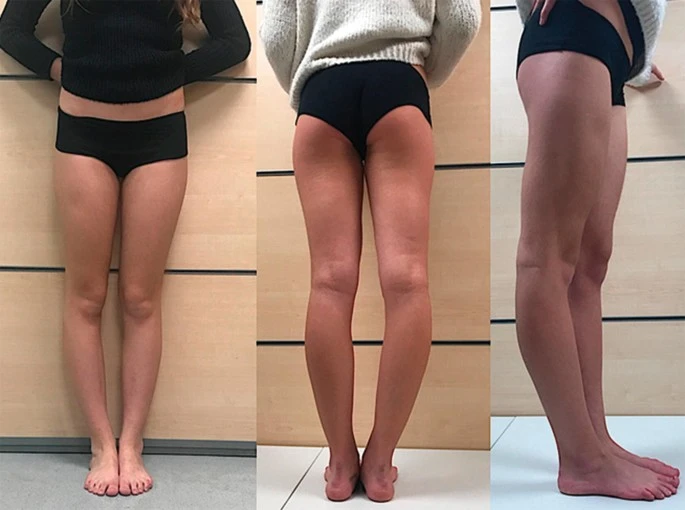
Patellar mal-alignment refers to the abnormal positioning or tracking of the patella within the femoral groove during knee movement. Instead of moving smoothly up and down, the patella may shift laterally (toward the outer side of the knee), medially (toward the inner side), tilt, or rotate abnormally. This misalignment can cause pain, mechanical symptoms, and long-term damage to cartilage if left unaddressed.
At DMPhysios, a renowned Noida-based clinic specializing in spine and sports conditions with a strong focus on patient-centered rehabilitation, patellar mal-alignment is a frequently addressed issue. Through comprehensive evaluation and individualized care, DMPhysios helps patients restore optimal knee function and prevent recurrence.
Symptoms
The symptoms of patellar mal-alignment can range from mild discomfort to significant functional limitation. Recognizing these signs early can make treatment more effective:
- Anterior knee pain (pain in the front of the knee) during activities such as stair climbing, running, or prolonged sitting (often called “theatre sign”).
- Clicking, popping, or grinding sensations (crepitus) under the kneecap.
- Visible patellar shift or tilt, sometimes noticeable when extending the knee.
- Swelling or puffiness around the patella after activity.
- Feeling of instability or “giving way” of the knee, especially during sports.
- Reduced strength in the quadriceps and difficulty straightening the knee fully.
At DMPhysios, clinicians often use both a thorough physical examination and diagnostic tools such as patellar tracking tests, dynamic movement analysis, and, where necessary, imaging to confirm the presence and severity of patellar mal-alignment.
Types of Patellar Mal-alignment
While the term patellar mal-alignment broadly refers to abnormal positioning of the patella, it can be classified into several specific types, each with distinct mechanical implications:
- Lateral Patellar Mal-alignment (Lateral Tracking)
The patella drifts outward toward the lateral side of the knee during movement. This is the most common type and is often linked with tight lateral structures like the iliotibial (IT) band or weak medial stabilizers such as the vastus medialis obliquus (VMO). - Medial Patellar Mal-alignment
Less common, this involves the patella drifting inward toward the inner side of the knee. It may occur after certain surgical procedures or in individuals with altered lower limb mechanics. - Patellar Tilt or Rotation
The patella may not sit flat in the trochlear groove, leading to uneven contact pressure and pain. Tilt often accompanies lateral mal-alignment. - Patella Alta or Baja
Although technically a positional abnormality rather than a tracking issue, patella alta (high-riding patella) or baja (low-riding patella) can predispose an individual to patellar mal-alignment.
Identifying the type of patellar mal-alignment is crucial for selecting the most effective treatment strategy—something the multidisciplinary team at DMPhysios excels in.
Causes
Multiple factors contribute to the development of patellar mal-alignment, and often these factors overlap:
- Muscle Imbalance: Weakness of the VMO (medial quadriceps) combined with tightness of the lateral quadriceps or IT band can pull the patella off course.
- Structural Abnormalities: Variations in femoral rotation, tibial torsion, or foot arch alignment (overpronation) can alter the forces transmitted through the knee.
- Trauma or Previous Surgery: Direct injury to the knee or surgical procedures like lateral release can disrupt normal patellar tracking.
- Connective Tissue Laxity: Individuals with generalized hypermobility or ligamentous laxity may be more prone to patellar mal-alignment.
- Repetitive Stress: Sports involving jumping, pivoting, or rapid directional changes can overload the patellofemoral joint.
- Improper Training or Footwear: Poor biomechanics, inadequate warm-up, or unsuitable shoes can increase risk.
Risk Factors
Certain populations are at higher risk of developing patellar mal-alignment:
- Adolescents and Young Adults: Especially those undergoing growth spurts, when muscular control may lag behind bone development.
- Female Athletes: Due to a wider pelvis and increased Q-angle, females are statistically more susceptible.
- High-impact Sports Participants: Basketball, volleyball, football, and running place repetitive stress on the patellofemoral joint.
- People with Previous Knee Injuries: Past patellar dislocations or ligament injuries increase risk.
- Occupational Demands: Jobs requiring frequent squatting, kneeling, or stair climbing.
At DMPhysios, these risk factors are carefully assessed during initial evaluation, allowing for a truly patient-centered plan to address both current symptoms and future prevention.
Treatment
Effective management of patellar mal-alignment involves both addressing symptoms and correcting underlying causes. Treatment usually progresses from conservative to more invasive measures if necessary.
1. Activity Modification
Avoiding or reducing aggravating activities like deep squats, lunges, or high-impact sports until symptoms subside can prevent worsening of the condition.
2. Pain and Inflammation Management
- Ice packs after activity
- Non-steroidal anti-inflammatory drugs (NSAIDs) if prescribed
- Patellar taping to reduce pain during activity
3. Orthotics and Bracing
Custom foot orthotics can correct excessive pronation, while patellar tracking braces or sleeves can help guide the patella more centrally during motion.
4. Manual Therapy
Skilled physiotherapists at DMPhysios use techniques such as soft-tissue mobilization, myofascial release, and patellar mobilization to restore normal tissue length and patellar glide.
5. Surgical Intervention
Reserved for severe or persistent cases. Procedures might include lateral release, tibial tubercle realignment, or reconstruction of the medial patellofemoral ligament (MPFL).
Physiotherapy Treatment
Physiotherapy is the cornerstone of conservative management for patellar mal-alignment. At DMPhysios, the approach is holistic and patient-centered, combining evidence-based exercise therapy with individualized education.
Initial Assessment
- Detailed history of symptoms, activities, and previous injuries
- Biomechanical analysis of gait, hip, knee, and foot alignment
- Palpation of surrounding muscles and patellar tracking tests
Strengthening Program
The goal is to rebalance forces acting on the patella:
- Quadriceps Strengthening with an emphasis on VMO activation (mini squats with a ball, terminal knee extensions, step-downs).
- Hip Abductor and External Rotator Strengthening (side-lying clamshells, monster walks, single-leg bridges) to control femoral rotation.
- Core Stability Training to improve overall kinetic chain control.
Stretching and Flexibility
Releasing tight structures that pull the patella laterally:
- IT band stretches
- Quadriceps and hamstring stretches
- Hip flexor stretches
Patellar Taping and Bracing
McConnell taping or kinesiology taping can improve patellar alignment and reduce pain during exercise.
Neuromuscular Re-education
Functional movement retraining, such as proper squatting and landing mechanics, ensures new strength translates into better movement patterns.
Manual Therapy
Patellar mobilizations, soft-tissue techniques, and sometimes dry needling help restore tissue balance.
Progressive Return to Activity
Gradual reintroduction of sport-specific drills under supervision, focusing on movement quality to avoid recurrence.
This structured physiotherapy pathway at DMPhysios not only alleviates symptoms but also addresses the root causes of patellar mal-alignment.
Prevention
Prevention is always better than cure, particularly for conditions like patellar mal-alignment which can recur if underlying mechanics aren’t addressed:
- Maintain Balanced Strength and Flexibility: Regularly strengthen the quadriceps, hips, and core while stretching the IT band, hamstrings, and hip flexors.
- Check Your Footwear: Wear shoes appropriate for your activity and foot type.
- Gradual Progression in Training: Avoid sudden increases in intensity or volume.
- Use Proper Technique: Learn correct landing and squatting mechanics to reduce knee stress.
- Monitor Early Warning Signs: Address any anterior knee pain promptly with a physiotherapist—such as the specialists at DMPhysios—before it escalates.
Conclusion
Patellar mal-alignment is a common yet often misunderstood cause of anterior knee pain. Left unaddressed, it can lead to chronic discomfort, reduced athletic performance, and even long-term joint degeneration. By understanding its causes, recognizing symptoms early, and pursuing a comprehensive, patient-centered approach to rehabilitation, individuals can return to pain-free activity and prevent recurrence.
At DMPhysios, a leading clinic in Noida for spine and sports conditions with a focus on patient-centered rehabilitation, the management of patellar mal-alignment is tailored to each individual’s anatomy, lifestyle, and goals. From thorough assessment to cutting-edge physiotherapy and education, DMPhysios provides everything you need to regain healthy, pain-free knee function.
If you or someone you know is struggling with anterior knee pain or suspect patellar mal-alignment, don’t wait for it to worsen. Book an appointment with DMPhysios today and take the first step toward restoring your knee health, enhancing your performance, and preventing future injury.