Overview
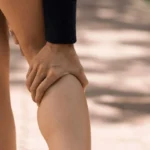
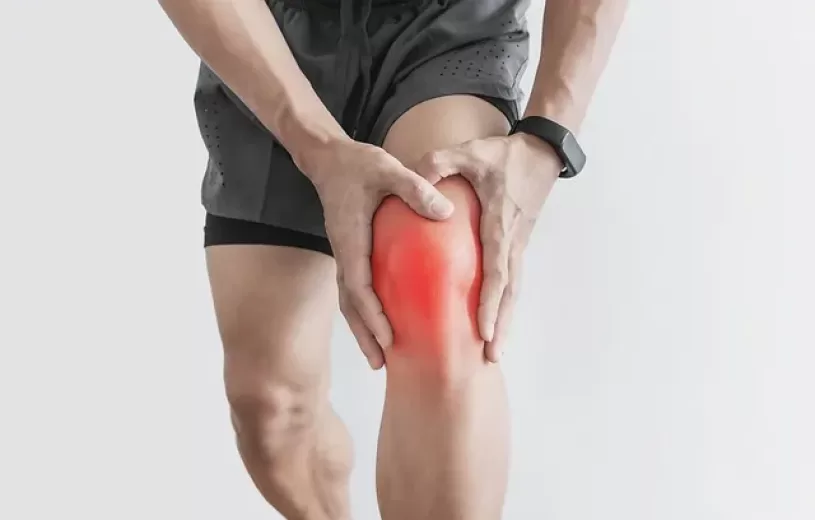
Patellofemoral Pain Syndrome (PFPS), commonly known as runner’s knee, is a widespread knee condition that affects a broad spectrum of individuals—from athletes and fitness enthusiasts to those who lead largely sedentary lives. Contrary to what its nickname suggests, this condition isn’t confined to runners. It can affect anyone whose daily activities place repetitive stress on the knee joint, particularly on the area where the patella (kneecap) meets the femur (thigh bone).
The hallmark symptom of PFPS is a diffuse, aching pain felt around or behind the kneecap. This discomfort typically worsens during activities such as walking upstairs or downhill, squatting, kneeling, running, or even after sitting with bent knees for extended periods. Often, individuals describe a grinding sensation or hear clicking sounds in the knee during movement. While the pain can start as mild and intermittent, without proper intervention it may become persistent and affect everyday mobility and function.
At DMPhysios, a renowned physiotherapy and rehabilitation center in Noida, we have seen a steady rise in cases of Patellofemoral pain syndrome, particularly among young adults, working professionals, and sports participants. This increase can be attributed to various modern lifestyle factors—long hours of desk work, inadequate physical activity, sudden engagement in high-impact sports, or improper training methods.
What makes DMPhysios stand out in addressing this condition is our personalized, patient-centered approach to rehabilitation. Rather than merely focusing on symptom relief, our expert physiotherapists perform in-depth assessments to understand the underlying mechanical imbalances that lead to PFPS. Whether it’s weakness in the hip and thigh muscles, misalignment of the patella, faulty gait patterns, or limited flexibility, we target the core issues that trigger the condition.
Our treatment strategies are grounded in evidence-based physiotherapy, integrating manual therapy, functional strengthening, and corrective exercises tailored to each patient’s lifestyle, goals, and physical capacity. At DMPhysios, we aim not only to alleviate pain but to restore movement confidence, enhance long-term joint health, and prevent future recurrences of PFPS.
Through our commitment to personalized care, ongoing patient education, and a thorough understanding of movement science, DMPhysios in Noida continues to lead the way in treating conditions like Patellofemoral pain syndrome—helping individuals return to their daily lives stronger, safer, and pain-free.
Symptoms of Patellofemoral Pain Syndrome
The symptoms of Patellofemoral pain syndrome vary from person to person, but commonly include:
- Dull, aching pain in the front of the knee
- Pain during activities that stress the knee (stairs, squats, running)
- Pain after prolonged sitting (often referred to as the “theater sign”)
- Popping or crackling sounds in the knee
- Tenderness around the patella
- Occasional swelling or a feeling of “giving way”
At DMPhysios, we emphasize the importance of early diagnosis and individualized assessment to prevent the condition from progressing or becoming chronic.
Types of Patellofemoral Pain Syndrome
While there is no strict medical classification for Patellofemoral Pain Syndrome (PFPS), it can be grouped based on cause and presentation, which helps guide treatment decisions at DMPhysios, Noida’s trusted clinic for spine and sports conditions.
1. Overuse-Related PFPS
Seen commonly in runners, athletes, and fitness enthusiasts, this type results from repetitive strain on the knee joint without adequate rest. It often develops gradually due to activities like running, jumping, or climbing stairs.
2. Biomechanical PFPS
Caused by poor patellar alignment or movement patterns due to muscle imbalances, tight structures, or foot abnormalities like flat feet. This type is often linked to weak hip and thigh muscles affecting kneecap tracking.
3. Post-Surgical PFPS
Can occur after knee surgeries when joint mechanics are altered or when muscle strength—especially the quadriceps—is not fully restored. Scar tissue and delayed rehab can also contribute.
4. Adolescent PFPS
Common among teenagers during growth spurts, especially those active in sports. Rapid growth can lead to muscle-tendon imbalances and increased stress around the kneecap.
At DMPhysios, identifying the specific type of PFPS is crucial. It allows our team to create customized rehab protocols that target the root cause, ensuring faster and more sustainable recovery.
Causes of Patellofemoral Pain Syndrome
Patellofemoral pain syndrome is a multifactorial condition, meaning there is no single cause. Common contributing factors include:
- Muscle imbalances, especially weak quadriceps or glutes
- Tight lateral structures like the iliotibial band or lateral retinaculum
- Poor foot biomechanics (flat feet or overpronation)
- Incorrect training techniques
- Sudden increase in physical activity
- Improper footwear
- Poor posture and sedentary behavior
At DMPhysios, we utilize advanced movement analysis and postural assessments to identify the root causes and build an appropriate, goal-oriented recovery plan.
Risk Factors
Certain individuals are more prone to developing Patellofemoral pain syndrome, including:
- Female athletes (due to wider Q-angle)
- Runners, jumpers, and cyclists
- Individuals with flat feet
- Those recovering from lower limb injuries
- People with poor core or hip strength
- Office workers with long sitting hours
Recognizing these risk factors allows the experts at DMPhysios to implement preventive strategies even before pain starts.
Treatment
Treatment of Patellofemoral pain syndrome focuses on relieving pain, restoring joint function, and correcting contributing factors. Key treatment approaches include:
1. Activity Modification
- Reducing or temporarily avoiding aggravating activities (e.g., stairs, squats)
- Substituting with low-impact exercises like swimming or cycling
2. Cold and Heat Therapy
- Ice packs can help reduce inflammation and pain
- Heat may be used to relieve tightness before exercises
3. NSAIDs (Non-steroidal Anti-inflammatory Drugs)
- Used for short-term relief but not a long-term solution
4. Taping or Bracing
- Patellar taping (McConnell taping) can help improve alignment and tracking
- Knee braces offer external support but are not substitutes for rehabilitation
5. Footwear Modification and Orthotics
- Customized insoles can correct foot biomechanics in individuals with flat feet
However, none of these treatment methods are complete without physiotherapy, which forms the core of PFPS management at DMPhysios.
Physiotherapy Treatment
At DMPhysios Noida, we approach Patellofemoral pain syndrome with comprehensive, customized, and evidence-based rehab protocols. Our treatment involves:
1. Thorough Assessment and Movement Screening
- Gait analysis
- Functional movement tests
- Postural assessment
- Muscle strength and flexibility testing
This allows our expert physiotherapists to tailor the rehab process based on each patient’s unique needs.
2. Manual Therapy
- Soft tissue release for tight muscles like quads, hamstrings, IT band
- Patellar mobilization to correct tracking
- Myofascial release to reduce tissue adhesions and pain
3. Strengthening Program
Focused on targeting weak muscle groups that influence patellar alignment:
- Quadriceps strengthening, especially vastus medialis oblique (VMO)
- Gluteal strengthening (gluteus medius and maximus)
- Core strengthening for overall stability
Progression is key, and exercises are gradually intensified under guidance.
4. Flexibility and Stretching Routines
- IT band and lateral thigh stretches
- Hamstring and calf stretches
- Hip flexor and quadriceps lengthening
We educate patients at DMPhysios to perform these stretches daily to prevent tightness recurrence.
5. Neuromuscular Re-education
This includes:
- Balance training
- Proprioceptive drills
- Single-leg activities
This is crucial to regain joint control and prevent future injuries.
6. Taping and Kinesiology Applications
To support the patella during exercise and retrain movement patterns.
7. Patient Education and Ergonomic Advice
We ensure patients understand their condition and help them with:
- Desk ergonomics
- Activity modifications
- Proper footwear advice
- Training and exercise precautions
8. Return to Sport or Functional Activity
DMPhysios has a sport-specific rehab protocol that safely transitions an athlete from recovery to return to performance. This ensures the knee can withstand dynamic loads and unexpected forces.
Prevention of Patellofemoral Pain Syndrome
Preventive care is a key philosophy at DMPhysios. We believe in proactive, not just reactive care. Strategies include:
- Maintaining strong and flexible quads and glutes
- Gradual progression in training intensity
- Wearing supportive and activity-specific footwear
- Avoiding prolonged sitting with bent knees
- Learning and using proper exercise techniques
- Regular movement screening to detect imbalances
DMPhysios also runs prehab and injury prevention workshops for runners and athletes across Noida to keep PFPS and similar conditions at bay.
Conclusion
Patellofemoral Pain Syndrome is a common yet treatable and preventable condition. Left unaddressed, it can affect not just an individual’s mobility but also their confidence in physical activity. Whether you’re an athlete, office worker, or simply someone dealing with persistent knee pain, early and personalized intervention is the key.
At DMPhysios, Noida’s trusted clinic for spine and sports rehabilitation, our team of certified physiotherapists is committed to providing evidence-based, patient-centered care. We go beyond just relieving pain—we empower patients to understand their bodies, prevent recurrences, and return to the activities they love.
If you or someone you know is experiencing symptoms of Patellofemoral Pain Syndrome, don’t wait for the pain to worsen. Schedule a comprehensive evaluation at DMPhysios Noida today. We’ll guide you from diagnosis to complete recovery through expert hands, personalized plans, and compassionate care.Contact DMPhysios now and take the first step toward pain-free knees and an active lifestyle.